
Ever had one of those mornings where you want something warm, hearty, and genuinely nourishing , but not something that takes an hour to make? Yeah, Korean porridge (or juk, as Koreans call it) is exactly the answer you’ve been sleeping on.
I got hooked on Korean porridge after a lazy Sunday experiment with my rice cooker, and honestly? I haven’t looked back since. It’s silky, savory, deeply satisfying, and stupidly easy to make. Let me walk you through everything.
What Even Is Korean Porridge?
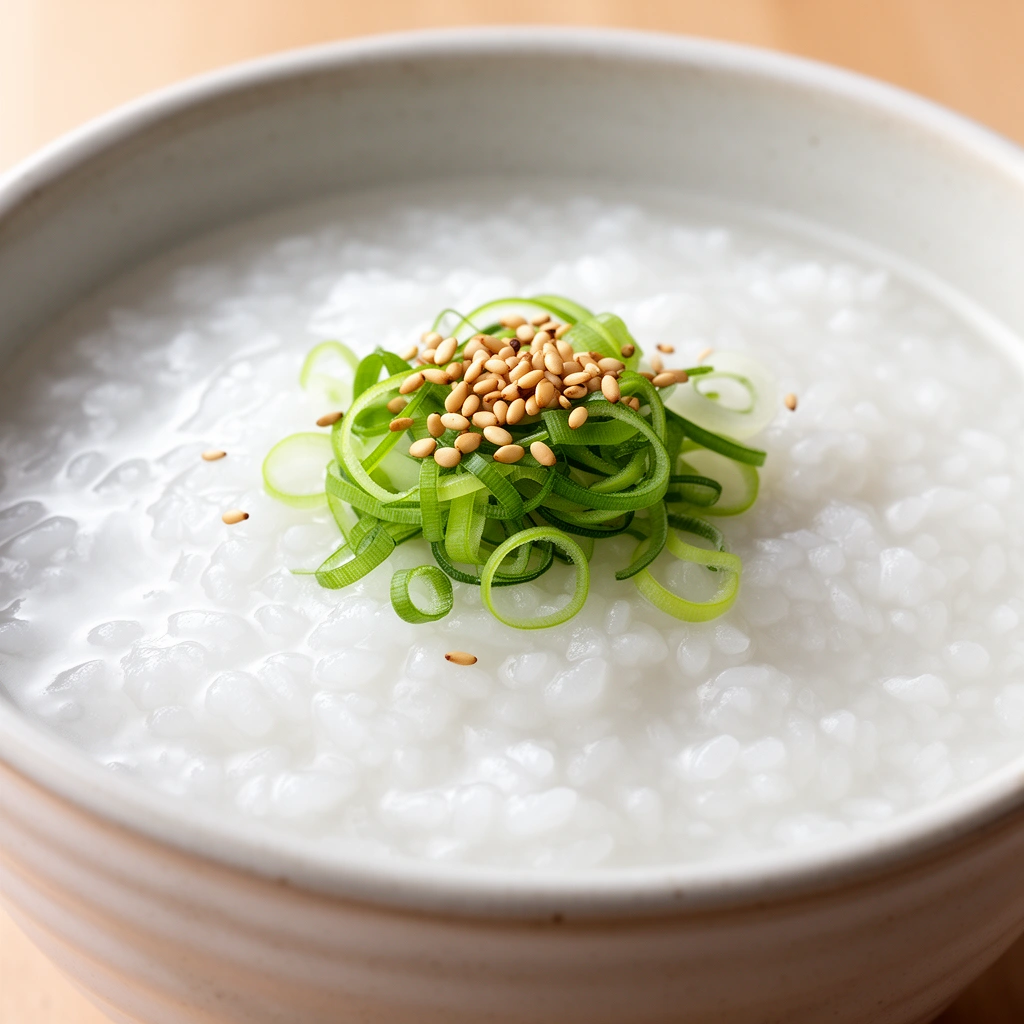
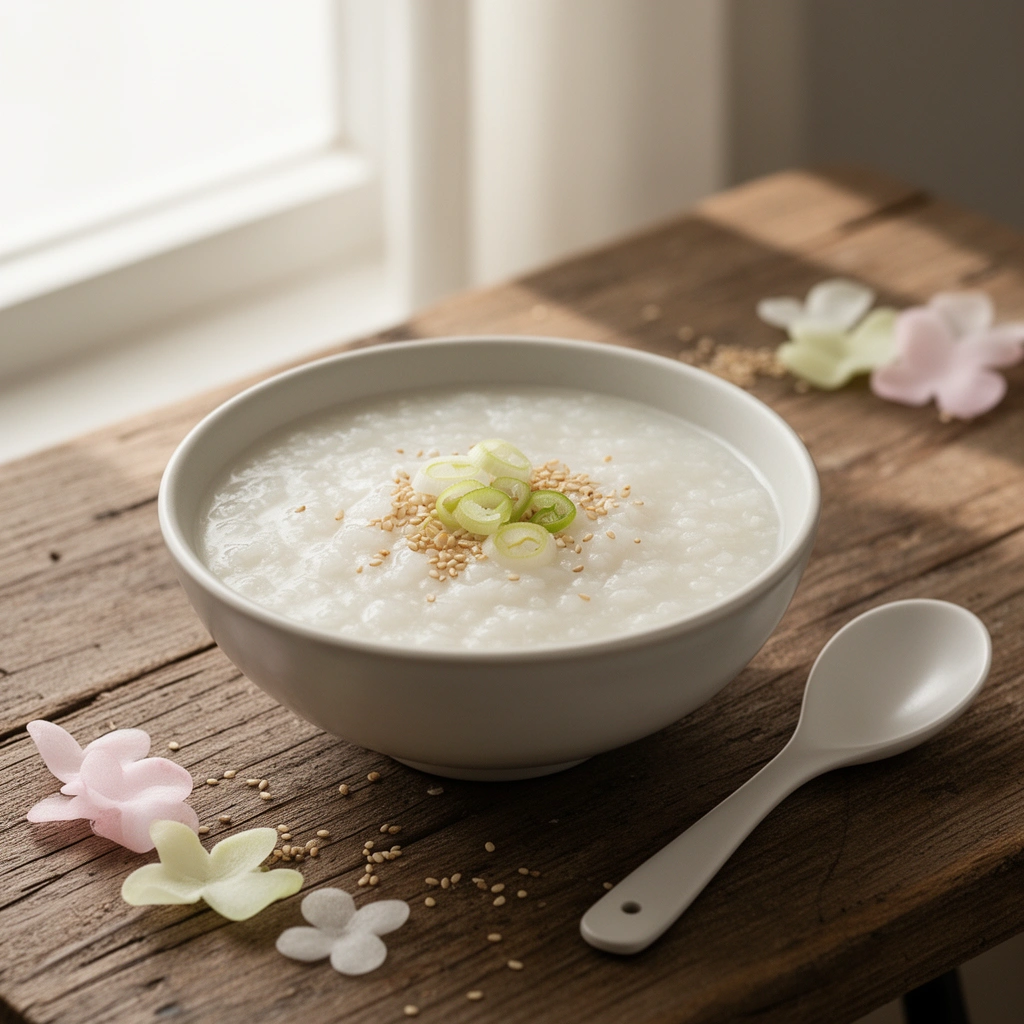
Korean porridge, known as juk (죽), is a slow-cooked rice dish where the grains break down into a thick, creamy consistency. Think of it as the Korean cousin of congee or Chinese rice porridge , but with its own distinct flavor profile.
Unlike plain oatmeal or instant porridge, juk has actual depth. The combination of umami-rich broth, vegetables, and a silky egg finish makes every spoonful feel intentional. It’s traditionally eaten when someone’s sick, but IMO, there’s no reason to wait for a cold to enjoy this bowl of goodness. 🙂
Why Korean Porridge Deserves a Spot in Your Weekly Rotation
It’s Genuinely Good for You
Korean porridge is easy on the digestive system , that’s why it’s the go-to comfort food when Koreans feel under the weather. The rice breaks down almost completely, making it incredibly gentle on your gut.
Beyond that, when you load it up with vegetables and eggs like this recipe does, you get a solid nutritional punch. We’re talking fiber from the zucchini and carrots, protein from the eggs, and anti-inflammatory properties from sesame oil. Not bad for a bowl of cooked rice.
It’s a Meal Prep Dream
One batch makes two generous servings, and the whole process happens in your rice cooker. You basically set it and forget it , which means you can make breakfast while still half-asleep. That’s the kind of energy I need before my first cup of coffee.
The Ingredients You Need (For 2 Servings)
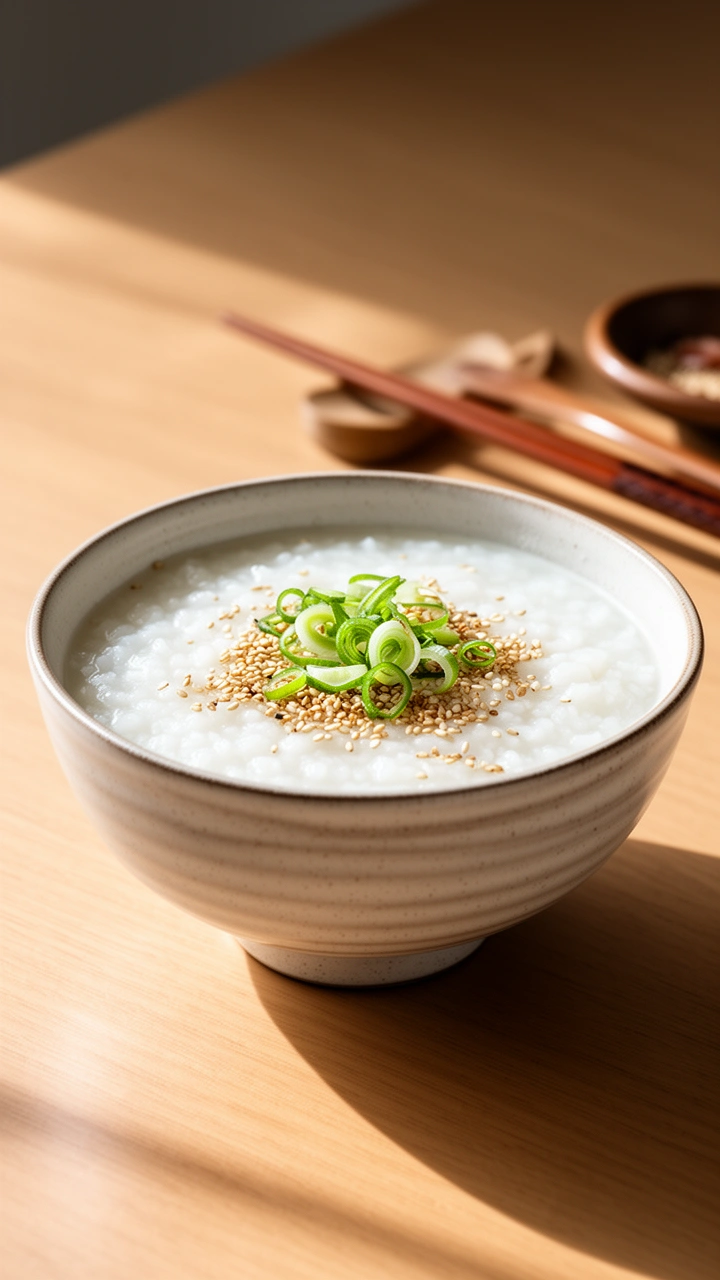
Here’s the lineup. Nothing fancy, nothing hard to find:
- 1 cup rice , I used GABA rice, but white rice honestly gives you that classic silky texture. Stick with white rice if this is your first time making juk.
- ½ carrot , adds a subtle sweetness and color
- ¼ zucchini , mild flavor, great texture
- 1 king oyster mushroom , meaty and savory, it adds real depth
- 2 eggs , the finishing touch that makes everything rich and cohesive
- 3 cups water
- 2 anchovy tablets , your secret weapon for an umami-packed broth
- 1 tbsp soy sauce
- 1 tbsp sesame oil
- Optional: furikake , a Japanese seasoning blend that adds a gorgeous savory-nutty finish
The anchovy tablets are a game-changer here. FYI, if you’ve never used them, they’re like little flavor bombs that give your porridge that restaurant-quality depth without you having to make a full broth from scratch.
How to Make Korean Porridge: Step-by-Step
Step 1: Wash Your Rice Properly
Wash the rice about three times until the water runs mostly clear. This removes excess starch and keeps your porridge from turning gummy. Don’t skip this step , it genuinely makes a difference in the final texture.
Step 2: Load Up the Rice Cooker
Add the washed rice to your rice cooker, then pour in 3 cups of water. Layer your chopped vegetables on top , the carrot, zucchini, and king oyster mushroom. Drop in the 2 anchovy tablets, then set the machine to porridge mode.
That’s it. Walk away. Let the rice cooker do its thing.
Step 3: The Finishing Touches (Don’t Skip These)
Once the porridge is almost done , you’ll know because it smells incredible , it’s time to add the flavor finishers. Whisk in 2 eggs, 1 tbsp soy sauce, and 1 tbsp sesame oil, then stir everything together thoroughly.
The eggs cook gently from the residual heat and transform the texture into something wonderfully creamy. The soy sauce adds saltiness and umami. The sesame oil adds that signature nutty aroma that makes Korean food smell so distinctly good.
Step 4: The Optional But Highly Recommended Furikake Finish
Sprinkle some furikake on top before serving. It adds crunch, color, and a hit of savory flavor that takes the whole bowl up a notch. Is it traditional Korean? Not exactly , but does it taste amazing? Absolutely.
White Rice vs. GABA Rice: Which One Should You Use?
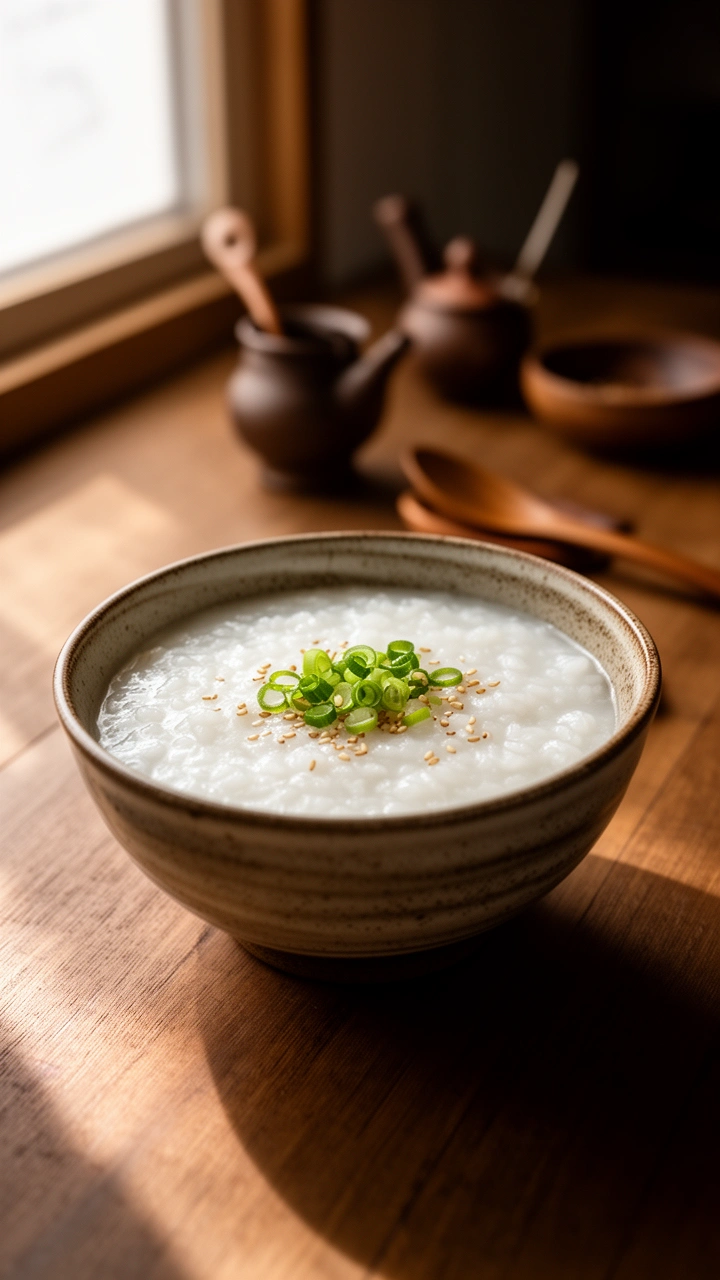
I used GABA rice in my version because I had it on hand and it’s a bit more nutritious (it’s a partially germinated brown rice with higher fiber and GABA content). But here’s my honest take: white rice makes better porridge.
White rice breaks down more smoothly and gives you that classic silky, creamy consistency that defines great juk. GABA rice keeps a bit more of its structure, which means the texture is slightly chewier and less refined. It still tastes good, but if you want the full Korean porridge experience, go with white rice.
Tips to Make Your Korean Porridge Even Better
A few things I’ve learned through trial and error:
- Don’t overload on vegetables. Keep it simple , two or three veggies max. You want the rice and broth to be the stars.
- Taste before adding soy sauce. Anchovy tablets already add saltiness, so start with less soy sauce and adjust.
- Stir the eggs in quickly and thoroughly. You want them fully incorporated, not scrambled in chunks.
- Serve it hot. Korean porridge thickens as it cools, so eat it fresh off the cooker for the best texture.
- Customize your toppings. Sliced green onions, a drizzle of extra sesame oil, or even a soft-boiled egg on top all work beautifully.
How Korean Porridge Compares to Other Comfort Foods
Korean Juk vs. Chinese Congee
Both are rice-based porridges, and they share a lot of DNA. The main difference? Korean juk tends to be thicker and often features more intentional vegetable additions, while congee is typically looser and topped with proteins like chicken or pork. Both are delicious , but juk has that sesame oil and soy sauce finish that gives it a distinctly Korean character.
Korean Juk vs. Oatmeal
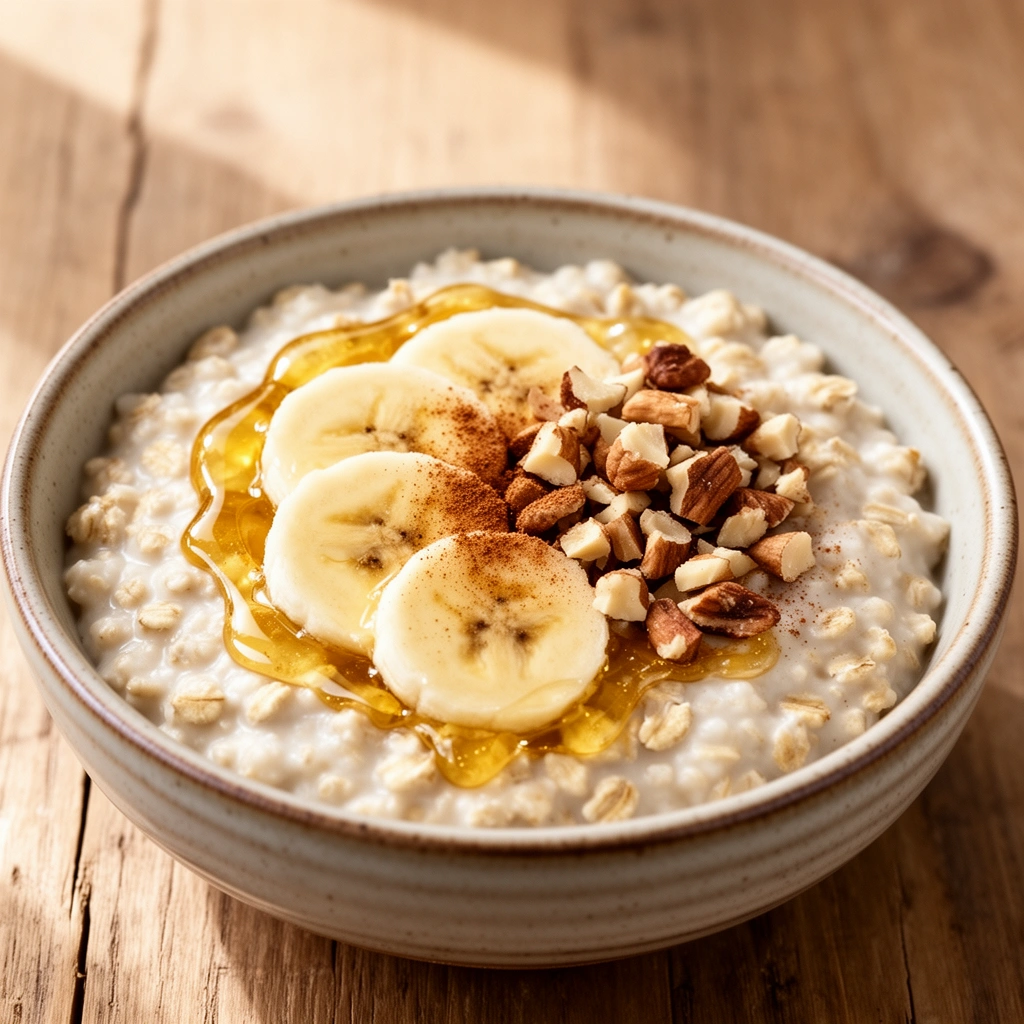
Oatmeal is quick, easy, and nutritious , I get it. But Korean porridge is more savory and satisfying, especially when you’re craving something that actually feels like a meal. The combination of eggs, vegetables, and umami broth makes juk a far more complete dish for lunch or dinner.
When Should You Make Korean Porridge?
Honestly? Any time. But here are some scenarios where juk really shines:
- When you’re sick or recovering , gentle on the stomach, easy to eat
- On cold mornings when you want something warm and substantial
- When you have leftover rice that needs a second life (though this recipe starts fresh)
- Meal prep days when you want something hands-off and nourishing
- Late nights when you want comfort food without the heaviness of a full meal
The Nutritional Value of This Bowl
This recipe punches above its weight nutritionally. Here’s a quick breakdown of what you’re getting:
- Carbohydrates from the rice , gives you sustained energy
- Protein from the eggs , essential for muscle repair and satiety
- Vitamins and minerals from the zucchini and carrot , vitamin A, potassium, and antioxidants
- Umami and minerals from the king oyster mushroom , plus a meaty texture without meat
- Healthy fats from the sesame oil , supports brain health and adds flavor
It’s a genuinely balanced, wholesome meal that doesn’t feel like “diet food” in the slightest.
Final Thoughts: Make This Korean Porridge This Week
If you’ve been curious about Korean comfort food but didn’t know where to start, this is your sign. Korean porridge is simple, nourishing, and deeply satisfying , and this recipe proves you don’t need a long ingredient list to make something genuinely special.
The combination of silky rice, savory vegetables, umami anchovy broth, and that silky egg finish creates something that feels far more impressive than the effort you put in. And if you top it with furikake? Chef’s kiss.
Try it once, and I’m willing to bet it earns a regular spot in your meal rotation. Now go wash that rice!
2
servings15
minutes40
minutes320
kcalIngredients
1 cup rice (white rice recommended; GABA rice also works)
1/2 carrot, chopped
1/4 zucchini, chopped
1 king oyster mushroom, sliced
2 eggs
3 cups water
2 anchovy tablets
1 tbsp soy sauce
1 tbsp sesame oil
Optional furikake, for serving
Directions
- Wash the rice about 3 times until the water runs mostly clear.
- Add the washed rice to a rice cooker and pour in the water.
- Top with the chopped carrot, zucchini, and king oyster mushroom, then add the anchovy tablets.
- Cook on porridge mode until the rice has broken down and the mixture is thick and creamy.
- When the porridge is almost done, whisk in the eggs, soy sauce, and sesame oil.
- Stir thoroughly and let the residual heat gently cook the eggs and finish the porridge.
- Serve hot, topped with furikake if desired.
Notes
- Leftovers keep well in the fridge for up to 3 days; loosen with a splash of water when reheating since the porridge thickens as it sits.

About the author
Written by Arman
Hi, I'm Muhammad Arman, a healthy food expert who is passionate about helping you build a better life through real, nourishing food. I share simple, practical tips and clean recipes because I truly believe that eating well should feel good, not complicated.
Published April 25, 2026 Updated May 27, 2026