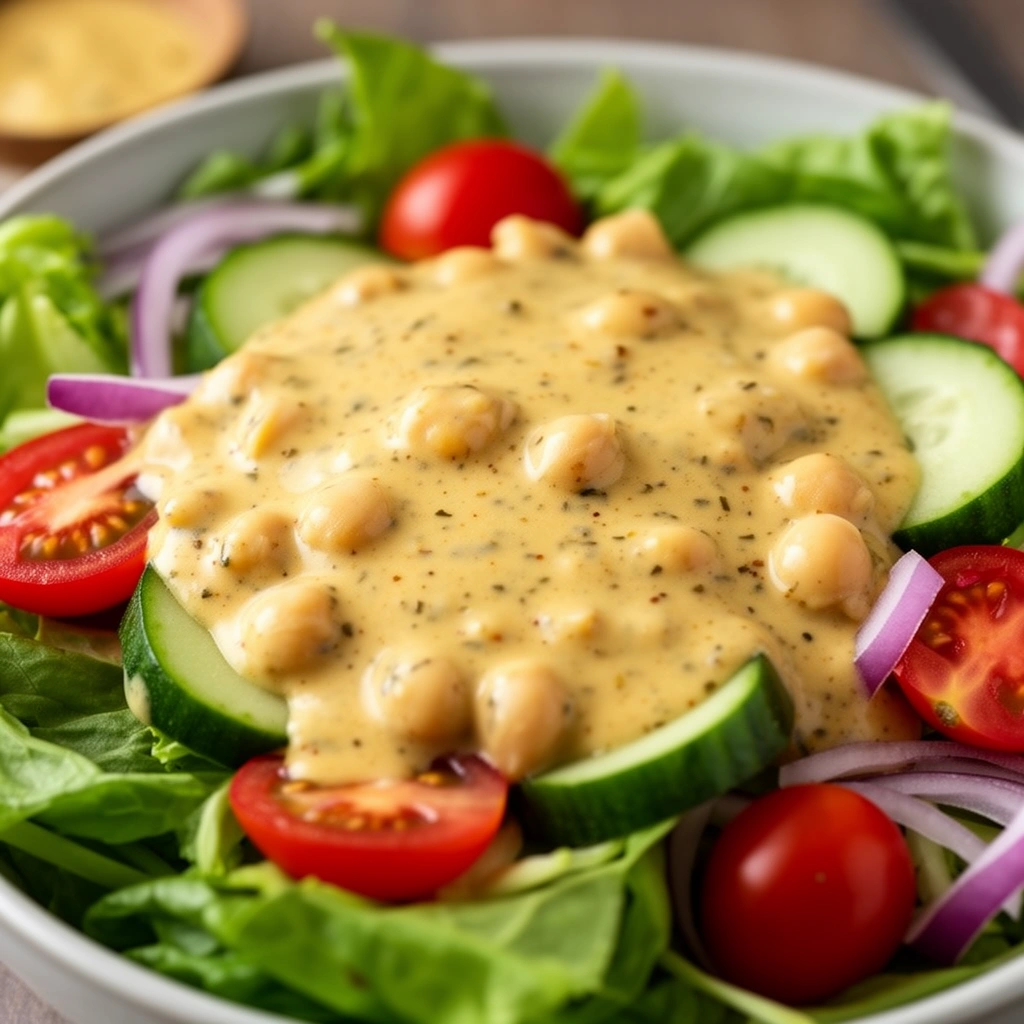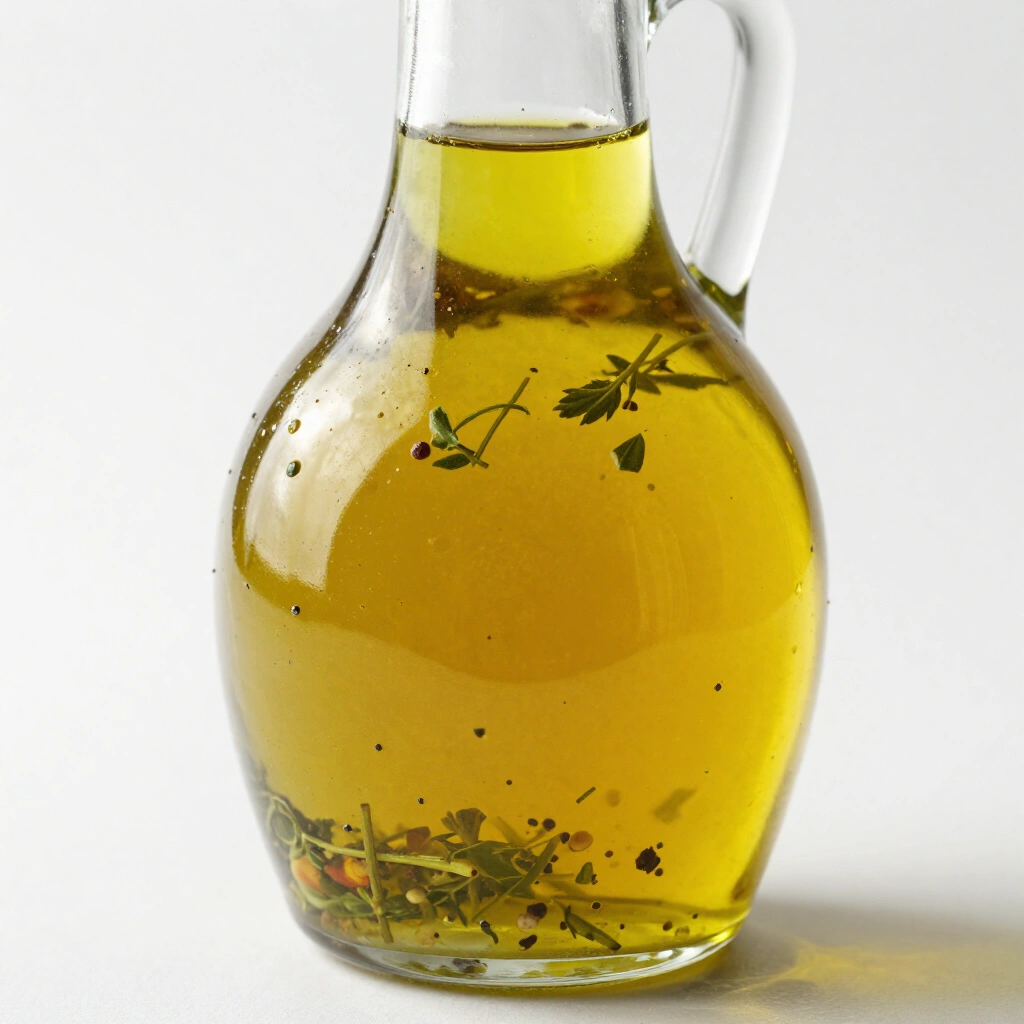

That first bite of a proper Greek salad , where the dressing hits the tomatoes just right and the whole thing tastes like a Mediterranean vacation , is genuinely hard to forget. I chased that flavor for years before I finally cracked the code on making it at home. Spoiler: it’s way simpler than you think, and once you make it yourself, bottled dressing will never cut it again.
What Makes Greek Salad Dressing Actually Greek
A lot of dressings slap the word “Greek” on the label and call it a day. But authentic Greek salad dressing has a very specific character , bold, herby, tangy, and built on a foundation of good olive oil. It’s not creamy. It’s not sweet. It lets the quality of its ingredients do all the talking.
The dressing traces back to the classic horiatiki , the traditional Greek village salad. That salad doesn’t come tossed. The dressing sits on top, and you mix it yourself at the table. Simple, rustic, and absolutely perfect.
The Non-Negotiable Ingredients
You can’t fake your way through a Greek dressing with subpar ingredients. Here’s what actually matters:
- Extra virgin olive oil , this is the backbone; use the best you can afford
- Red wine vinegar , not white vinegar, not balsamic; red wine vinegar is the one
- Dried oregano , Greek oregano specifically packs more punch than the generic stuff
- Garlic , fresh, always; garlic powder won’t give you the same depth
- Dijon mustard , just a touch, mainly to help the dressing emulsify
- Salt and black pepper , season properly and don’t skip this step
That’s your foundation. Everything else is a variation on this core.
The Classic Greek Salad Dressing Recipe
I’ve tested probably a dozen versions of this dressing, and I keep coming back to this one. It nails the balance every time and takes about three minutes to make.
Ingredients (Makes Enough for 4–6 Servings)
- ½ cup extra virgin olive oil
- 3 tablespoons red wine vinegar
- 1 teaspoon Dijon mustard
- 1 clove garlic, minced or pressed
- 1 teaspoon dried oregano (rub it between your fingers first to release the oils)
- ½ teaspoon salt
- ¼ teaspoon black pepper
- Optional: ½ teaspoon honey for a very subtle sweetness
How to Make It
1. Add the garlic, mustard, vinegar, salt, and pepper to a jar or small bowl.
2. Whisk or stir until combined.
3. Slowly stream in the olive oil while whisking , this helps it emulsify into a cohesive dressing rather than just separating into layers.
4. Add the dried oregano and give it one final stir.
5. Taste it. Adjust the vinegar, salt, or oregano as needed.
The mustard is your emulsifier , it keeps the oil and vinegar from completely separating. Don’t leave it out, even if you’re not a mustard person. You genuinely won’t taste it.
How to Use Greek Dressing Beyond Just Salad
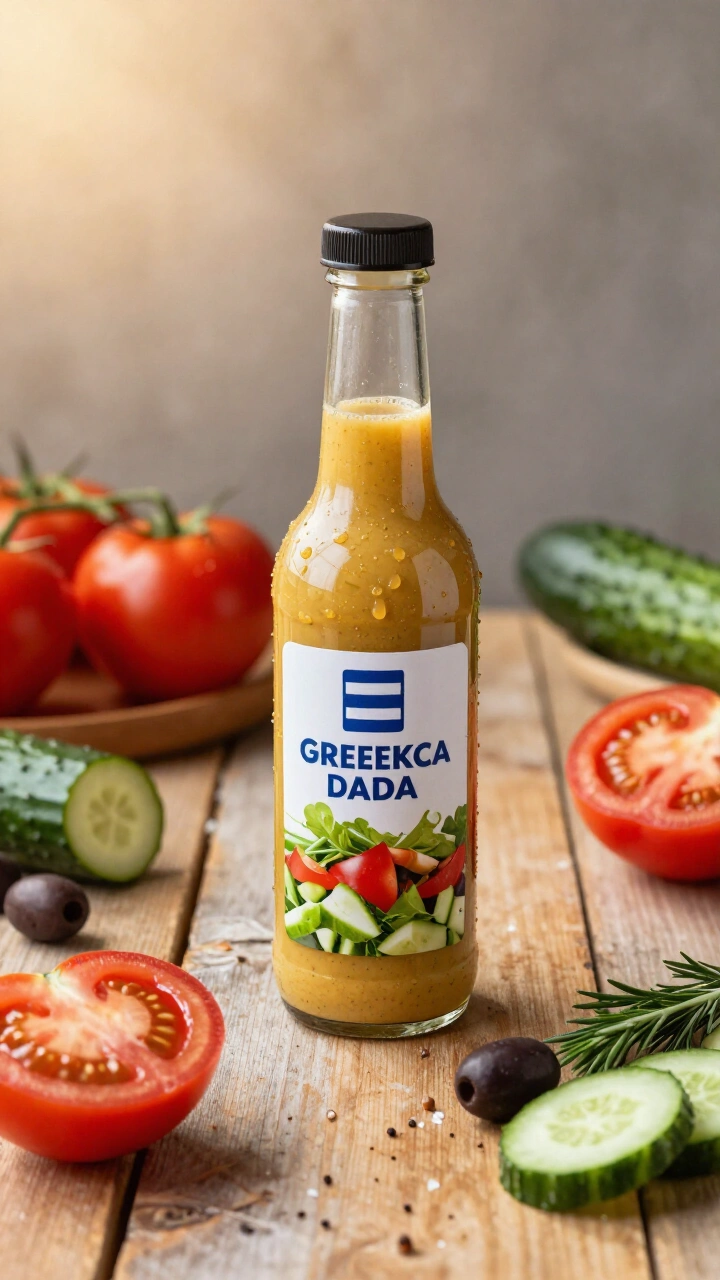
Here’s where a lot of people leave value on the table. Greek salad dressing isn’t a one-trick pony , it’s one of the most versatile dressings in your fridge. IMO, it works better as a marinade than most store-bought marinades do.
As a Marinade
Pour it over chicken thighs, lamb chops, or shrimp and let them sit for at least 30 minutes. The acid from the vinegar tenderizes the protein while the olive oil and herbs infuse flavor. Grill or roast afterward , the result is incredible.
As a Grain Bowl Dressing
Toss it over farro, quinoa, or orzo with roasted vegetables and a handful of feta. You get a meal that tastes way more put-together than the effort it actually required.
As a Vegetable Drizzle
Drizzle it over roasted zucchini, eggplant, or bell peppers right when they come out of the oven. The heat helps the dressing absorb into the vegetables and amplifies everything.
As a Sandwich Spread
Brush it on your pita or flatbread before building a wrap. It adds moisture and a ton of flavor without the heaviness of mayo.
Greek Dressing Variations Worth Trying
Once you nail the classic, you can branch out. These variations all stay true to the Mediterranean spirit while adding something new to the mix.
Lemon Greek Dressing
- Replace the red wine vinegar with fresh lemon juice (about 3 tablespoons)
- Add 1 teaspoon of lemon zest for extra brightness
- This version works especially well on seafood salads and light grain bowls
Creamy Greek Dressing
- Whisk in 2 tablespoons of plain Greek yogurt to your base dressing
- The result is thicker, tangier, and clings better to sturdy greens like romaine
- Add a pinch of dried dill to lean into that tzatziki direction
Feta Greek Dressing
- Crumble 2 tablespoons of feta cheese into the base and blend until smooth
- This makes a slightly creamier, saltier dressing with a punchy savory note
- Taste before adding extra salt , the feta brings plenty on its own
Homemade vs. Store-Bought Greek Dressing: The Honest Comparison
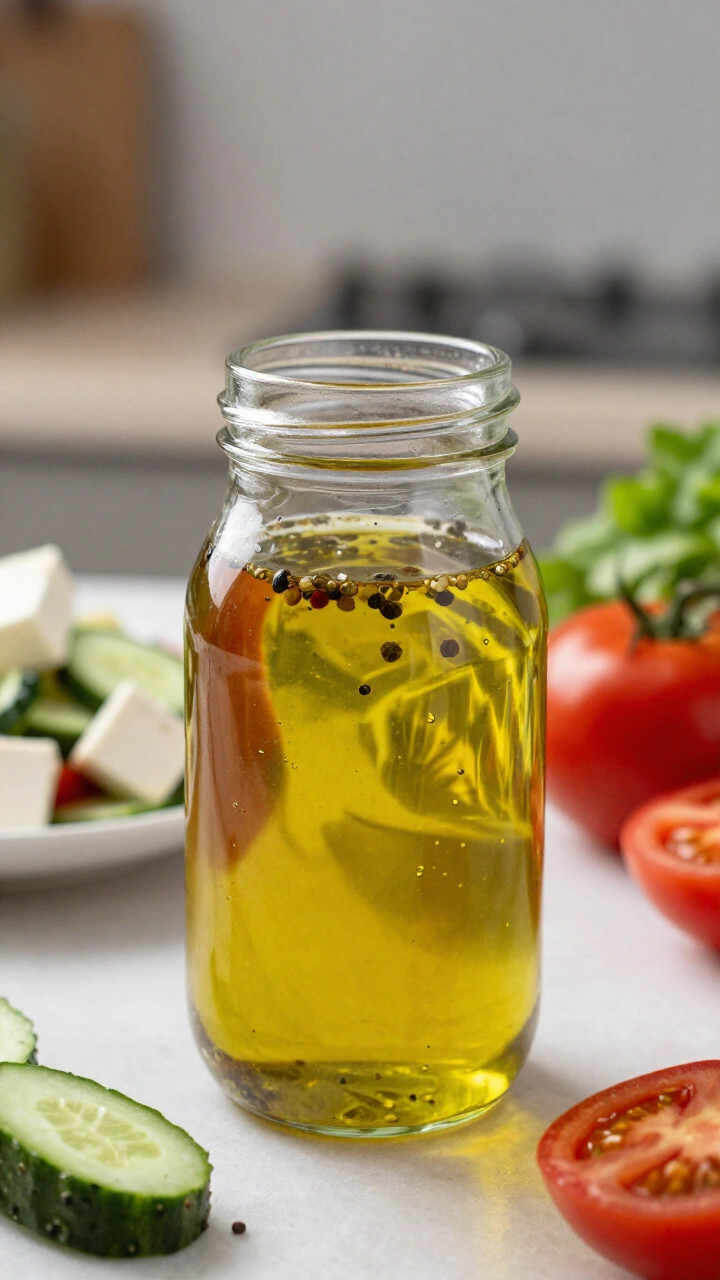
Let’s settle this once and for all. Store-bought Greek dressing has its place , road trips, office lunches, moments when your kitchen feels like enemy territory. But here’s the honest breakdown:
| Factor | Homemade | Store-Bought |
|---|---|---|
| Flavor | Bold, fresh, customizable | Often flat or overly sweet |
| Ingredients | Clean, whole ingredients | Stabilizers, preservatives common |
| Cost | Very affordable per batch | More expensive per serving |
| Time | 3–5 minutes | Zero minutes |
| Shelf life | 1 week in fridge | Months (due to preservatives) |
FYI, the best store-bought options if you’re in a pinch are Primal Kitchen Greek Vinaigrette or Trader Joe’s Greek dressing , both keep the ingredient lists cleaner than most. But neither touches a homemade version made with quality olive oil. 🙂
The Most Common Greek Dressing Mistakes
I’ve made every one of these at some point, so consider this hard-won knowledge:
Using cheap olive oil. The dressing is mostly olive oil. If that oil tastes bitter, flat, or waxy, your dressing will too. Spring for something decent , it doesn’t need to be fancy, just genuinely good.
Over-garlicking it. Fresh garlic is powerful. One clove is usually enough for a full batch. If you load it up, the garlic dominates everything and the dressing becomes sharp in an unpleasant way.
Skipping the rest time. Let your dressing sit for 10 minutes after making it before you taste it for final adjustments. The oregano needs a moment to rehydrate and bloom in the oil. A dressing that tastes slightly flat at minute one often tastes perfectly balanced at minute ten.
Using dried oregano that’s been in your pantry since 2019. Dried herbs lose their potency over time :/. If your oregano doesn’t smell strongly when you rub it between your fingers, it’s time for a fresh jar.
How to Store Greek Salad Dressing
Homemade Greek dressing stores beautifully , here’s what you need to know:
- Store in a sealed glass jar in the refrigerator for up to one week
- The olive oil will solidify slightly when cold , that’s completely normal
- Take it out 10–15 minutes before using and shake or whisk to re-emulsify
- Don’t freeze it , the texture degrades and the garlic flavor turns harsh
Making a double batch at the start of the week gives you an instant flavor upgrade for everything you eat Monday through Friday. It’s one of those small habits that genuinely improves your cooking without adding much effort.
What to Put in Your Greek Salad Once the Dressing Is Ready
You’ve got the dressing locked in , now build the salad around it properly. A classic Greek salad includes:
- English cucumber, cut into chunky half-moons
- Ripe tomatoes, cut into wedges (cherry tomatoes work great too)
- Red onion, thinly sliced
- Kalamata olives, pitted
- Green bell pepper, sliced into rings
- Block feta cheese, not pre-crumbled , a thick slab on top is the traditional move
Do not add lettuce to a traditional Greek salad. I know that sounds wild, but horiatiki doesn’t include it. The vegetables are sturdy enough to stand on their own, and the dressing coats them perfectly without any leafy buffer.
Final Thoughts: Make the Dressing, Skip the Bottle
Greek salad dressing is one of those recipes where homemade beats store-bought by such a wide margin that there’s really no argument. A handful of pantry staples, three minutes of your time, and you’ve got something that elevates everything it touches , salads, proteins, grains, sandwiches.
Start with the classic recipe, get a feel for the balance of acid and oil, then start making it your own. That’s how you build a signature dressing that people will ask you about at every dinner party. And when they do, feel free to act like it was no big deal , even though you and I both know exactly how good it feels to nail it.
6
servings5
minutes20
minutes120
kcalIngredients
1/2 cup extra virgin olive oil
3 tablespoons red wine vinegar
1 teaspoon Dijon mustard
1 clove garlic, minced or pressed
1 teaspoon dried oregano
1/2 teaspoon salt
1/4 teaspoon black pepper
1/2 teaspoon honey (optional)
Directions
- Add the garlic, Dijon mustard, red wine vinegar, salt, and black pepper to a jar or small bowl.
- Whisk or stir until combined.
- Slowly stream in the olive oil while whisking until the dressing emulsifies.
- Add the dried oregano and stir to combine.
- Taste and adjust the vinegar, salt, or oregano as needed.
Notes
- Store in a sealed jar in the refrigerator for up to 1 week; shake or whisk before using. Great on salad, grilled chicken, or roasted vegetables.

About the author
Written by Arman
Hi, I'm Muhammad Arman, a healthy food expert who is passionate about helping you build a better life through real, nourishing food. I share simple, practical tips and clean recipes because I truly believe that eating well should feel good, not complicated.
Published April 1, 2026 Updated May 27, 2026