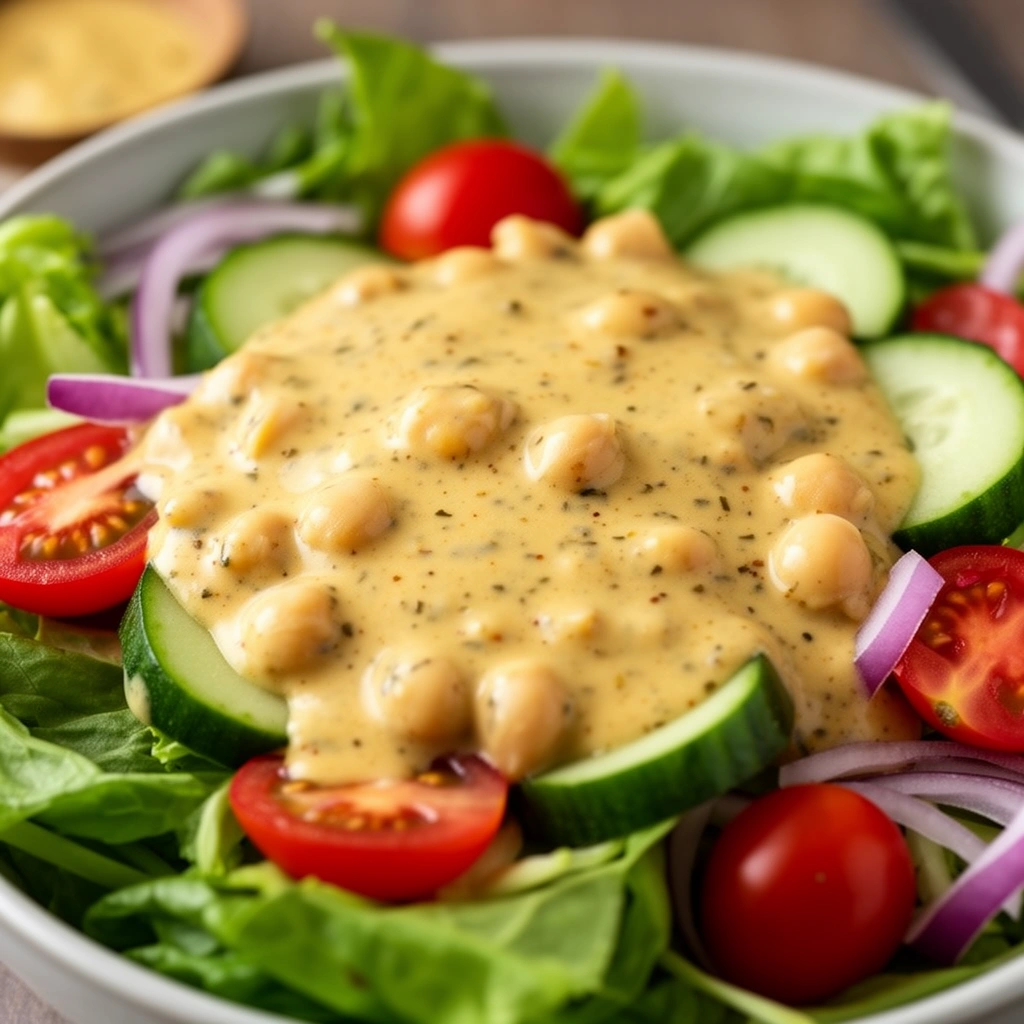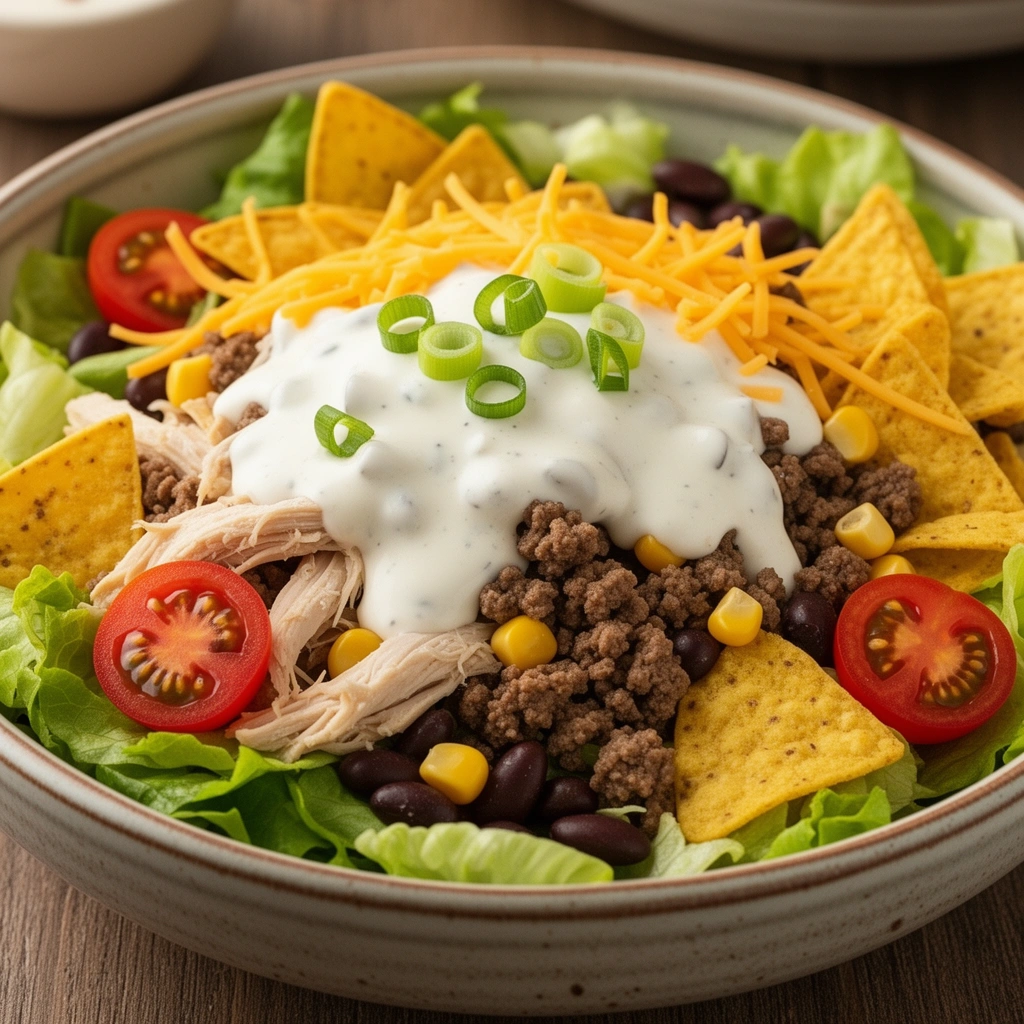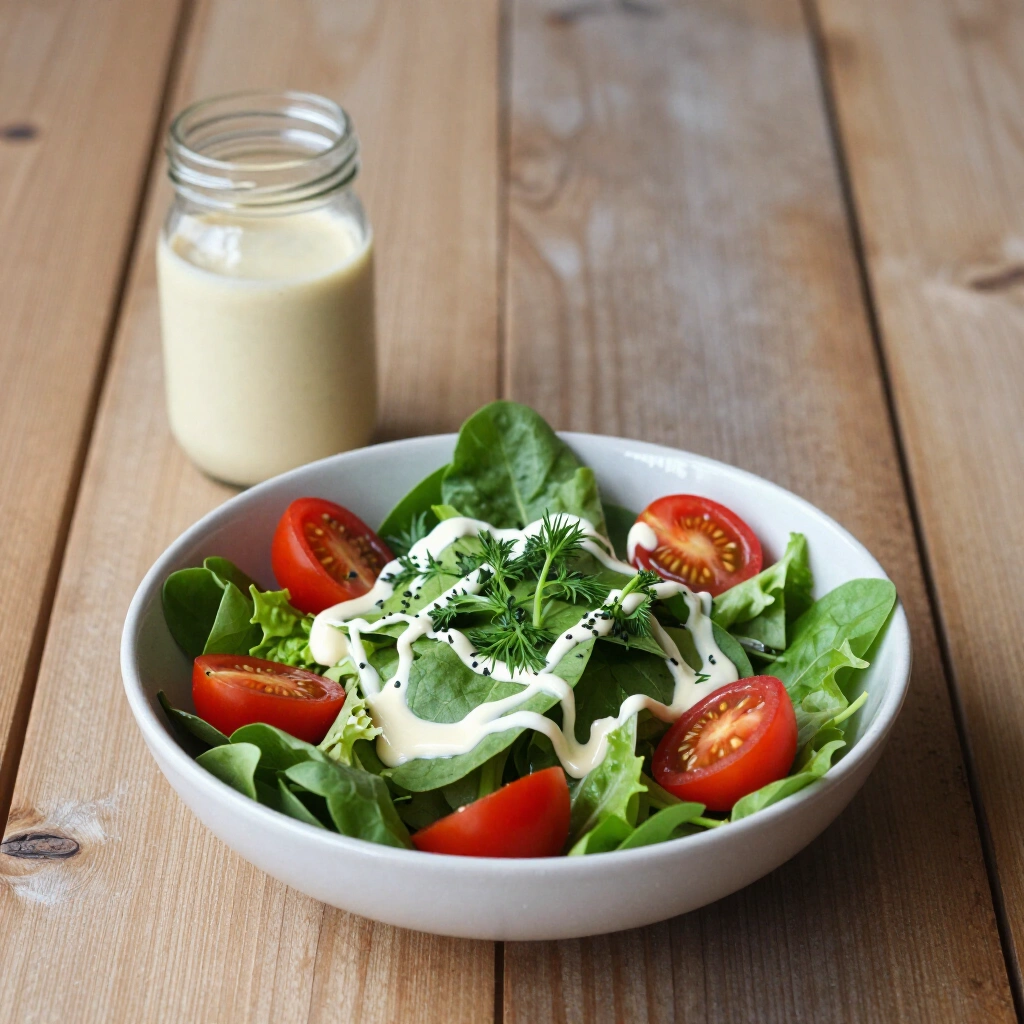

The first time I made Italian dressing from scratch, I immediately wondered why I’d ever bought the bottled version. Seriously , it takes five minutes, costs almost nothing, and tastes about three times better than the stuff with a two-year shelf life. If you’ve been grabbing the bottle out of habit, this recipe is about to change that habit for good.
What Homemade Italian Dressing Actually Tastes Like
Store-bought Italian dressing tends to be sharp, one-dimensional, and weirdly sweet. Homemade Italian dressing tastes bright, herby, and balanced , you get the tang of the vinegar, the richness of the olive oil, and this layered savory depth from the herbs and garlic working together.
It’s the kind of dressing that makes a simple salad feel intentional. And once you understand the basic formula, you can adjust it to exactly how you like it every single time.
The Classic Italian Dressing Formula
Every good Italian dressing follows a simple ratio:
- 3 parts oil to 1 part acid , this is your non-negotiable base
- Aromatics , garlic, shallot, or both
- Dried herbs , oregano, basil, thyme, parsley
- An emulsifier , Dijon mustard or a small amount of honey
- Salt and pepper , season generously
Nail this structure and you can riff on everything else. That’s the beauty of making your own.
The Classic Homemade Italian Dressing Recipe
This is the version I come back to most often. It’s clean, classic, and works on everything from green salads to pasta salads to grilled chicken.
Ingredients (Serves 6–8)
- ½ cup extra virgin olive oil
- 3 tablespoons red wine vinegar
- 1 tablespoon white wine vinegar (adds a slightly softer tang)
- 1 teaspoon Dijon mustard
- 1 garlic clove, finely minced or pressed
- 1 teaspoon dried oregano
- ½ teaspoon dried basil
- ½ teaspoon dried thyme
- ½ teaspoon onion powder
- ¼ teaspoon red pepper flakes (optional, but recommended)
- ½ teaspoon salt
- ¼ teaspoon black pepper
- 1 teaspoon honey or sugar (optional, balances the acid)
Step-by-Step Instructions
1. Add the garlic, both vinegars, mustard, salt, pepper, and all dried herbs to a blending jar
2. Blend everything together until combined.
3. Slowly pour in the olive oil while whisking constantly , this emulsifies the dressing so it holds together.
4. Add the red pepper flakes and honey if using, then whisk once more.
5. Taste and adjust , more vinegar for extra tang, more honey to balance sharpness, more salt if it tastes flat.
6. Let the dressing rest for at least 10 minutes before using so the herbs can bloom.
That resting step is genuinely important. Dried herbs need a few minutes in the oil and vinegar to release their flavor properly. The dressing you taste at minute one is noticeably different from the one you taste at minute fifteen.
Italian Dressing Variations That Are Worth Making
The classic recipe is excellent on its own, but a few smart tweaks can completely change its personality depending on what you’re making.
Zesty Italian Dressing
Want something punchier? This version amps up the garlic and acid:
- Add an extra half clove of garlic
- Increase red wine vinegar to 4 tablespoons
- Add ½ teaspoon of lemon zest for brightness
- Double the red pepper flakes
This variation works especially well on antipasto salads or as a dipping sauce for crusty bread.
Creamy Italian Dressing
If you want something that clings better to sturdy greens like romaine:
- Whisk in 2 tablespoons of mayonnaise or sour cream to the base
- The dressing thickens up and takes on a richer, creamier texture
- Still has all that herby Italian flavor , just with a little more body
Parmesan Italian Dressing
This one is a personal favorite , IMO, it makes the best pasta salad dressing:
- Finely grate 2 tablespoons of Parmesan directly into the base dressing
- Whisk until combined
- The cheese adds a savory, slightly salty depth that regular Italian dressing doesn’t have
- Use it immediately or within 24 hours since fresh Parmesan doesn’t keep as long
How to Use Italian Dressing Beyond Green Salads
Most people think of Italian dressing as a salad thing and stop there. That’s a waste of a genuinely great condiment. Here’s where it actually shines:
As a Marinade
Italian dressing is one of the best marinades for chicken. The vinegar tenderizes the meat, the oil carries the herb flavor deep into the flesh, and the garlic adds savory punch. Marinate chicken thighs or breasts for 2–4 hours, then grill or bake. You’ll get a juicy, flavorful result every time.
It works equally well on:
- Pork chops , marinate for 1–2 hours before grilling
- Shrimp , just 30 minutes is enough; don’t go longer or the acid starts to cook the texture
- Vegetables , toss zucchini, bell peppers, or mushrooms in it before roasting
As a Pasta Salad Dressing
Pour it over cooled pasta with chopped salami, black olives, banana peppers, cherry tomatoes, and provolone. Toss well and refrigerate for an hour before serving. This is the pasta salad that disappears first at every potluck, and it’s genuinely simple to pull off.
As a Sandwich Drizzle
Brush it on hoagie rolls or ciabatta before building an Italian sub. It soaks into the bread slightly and brings all the other flavors together. Way better than just squeezing on plain oil and vinegar.
Homemade vs. Bottled Italian Dressing: The Real Comparison
Let’s be straightforward about this. Here’s how they actually compare:
| Factor | Homemade | Bottled |
|---|---|---|
| Flavor | Fresh, herby, balanced | Often sharp and one-note |
| Ingredients | Clean, whole ingredients | Stabilizers, corn syrup, preservatives common |
| Customization | Fully adjustable | Fixed flavor profile |
| Cost | Pennies per serving | More expensive per use |
| Time | 5 minutes | Zero minutes |
| Shelf life | 1–2 weeks refrigerated | 12–24 months unopened |
FYI, if you do need a store-bought option, Primal Kitchen makes a decent Italian dressing with a cleaner ingredient list. Newman’s Own is also a solid fallback. But neither one holds a candle to a batch you make yourself with quality olive oil and fresh garlic 🙂
Common Mistakes People Make With Italian Dressing
A few small errors can throw off your dressing significantly. Here’s what to watch out for:
Using the wrong oil. Light or “pure” olive oil lacks the flavor punch that extra virgin provides. Since oil makes up the bulk of the dressing, it drives the overall flavor more than any other ingredient. Always use extra virgin.
Skipping the emulsifier. Without the Dijon mustard (or a small amount of honey), the oil and vinegar separate immediately and you end up drizzling uneven amounts of each over your food. The mustard binds them together into a cohesive dressing that actually coats things properly.
Overdoing the dried herbs. More doesn’t always mean better here :/. Too much oregano makes the dressing taste medicinal. Stick to the amounts in the recipe your first time through, then adjust from there.
Not seasoning properly. An under-salted dressing tastes flat and dull no matter how good your olive oil is. Salt brings all the flavors forward , don’t be shy with it, but taste as you go.
How to Store Your Homemade Italian Dressing
Proper storage keeps your dressing tasting fresh throughout the week:
- Glass jar with a tight lid , works best for shaking and storing
- Refrigerate for up to 1–2 weeks
- The olive oil will solidify in the fridge , this is completely normal
- Remove it 10 minutes before using and shake well to re-emulsify
- If you added fresh garlic (versus garlic powder), use it within 5–7 days for food safety
Making a double batch on Sunday sets you up with great dressing all week. It takes maybe eight minutes total and the payoff across seven days of better meals is absolutely worth it.
Building the Perfect Italian Salad Around Your Dressing
Once your dressing is ready, the salad should match its energy. Classic Italian salad ingredients that pair perfectly:
- Romaine or iceberg lettuce , both hold up well to a vinaigrette-style dressing
- Cherry tomatoes, halved
- Thinly sliced red onion
- Pepperoncini peppers , these are non-negotiable for that authentic Italian deli vibe
- Black olives or Kalamata olives
- Shaved Parmesan or crumbled feta
- Croutons , homemade ones if you want to really commit to the bit
Dress the salad right before serving and toss well so every leaf gets coated. Don’t dress it ahead of time , the lettuce will wilt and you’ll lose that satisfying crunch.
Final Thoughts: Make It Once and You’re Converted
A great homemade Italian dressing recipe is one of those fundamentals that pays dividends across your whole kitchen , not just your salads. It marinates proteins, elevates pasta salads, improves sandwiches, and upgrades roasted vegetables without requiring any serious cooking skill.
Start with the classic recipe, get comfortable with the ratio, then start making it your own. Add more garlic if that’s your thing. Go heavier on the herbs. Throw in some Parmesan. The point is, once you understand the formula, you own it. And trust me , the moment someone at your next dinner party asks what’s in the dressing, you’ll be very glad you learned to make it yourself.
6
servings5
minutes10
minutes160
kcalIngredients
1/2 cup extra virgin olive oil
3 tablespoons red wine vinegar
1 tablespoon white wine vinegar
1 teaspoon Dijon mustard
1 garlic clove, finely minced or pressed
1 teaspoon dried oregano
1/2 teaspoon dried basil
1/2 teaspoon dried thyme
1/2 teaspoon onion powder
1/4 teaspoon red pepper flakes (optional)
1/2 teaspoon salt
1/4 teaspoon black pepper
1 teaspoon honey or sugar (optional)
Directions
- Add the garlic, both vinegars, Dijon mustard, salt, black pepper, and all dried herbs to a blending jar or bowl.
- Blend or whisk everything together until combined.
- Slowly pour in the olive oil while whisking constantly to emulsify the dressing.
- Add the red pepper flakes and honey or sugar if using, then whisk again.
- Taste and adjust with more vinegar, honey, or salt as needed.
- Let the dressing rest for at least 10 minutes before serving so the herbs can bloom.
Notes
- Shake or whisk again before serving, since homemade dressings can separate. Store covered in the refrigerator for up to 1 week; let it sit at room temperature a few minutes if the oil solidifies.

About the author
Written by Arman
Hi, I'm Muhammad Arman, a healthy food expert who is passionate about helping you build a better life through real, nourishing food. I share simple, practical tips and clean recipes because I truly believe that eating well should feel good, not complicated.
Published April 1, 2026 Updated May 27, 2026