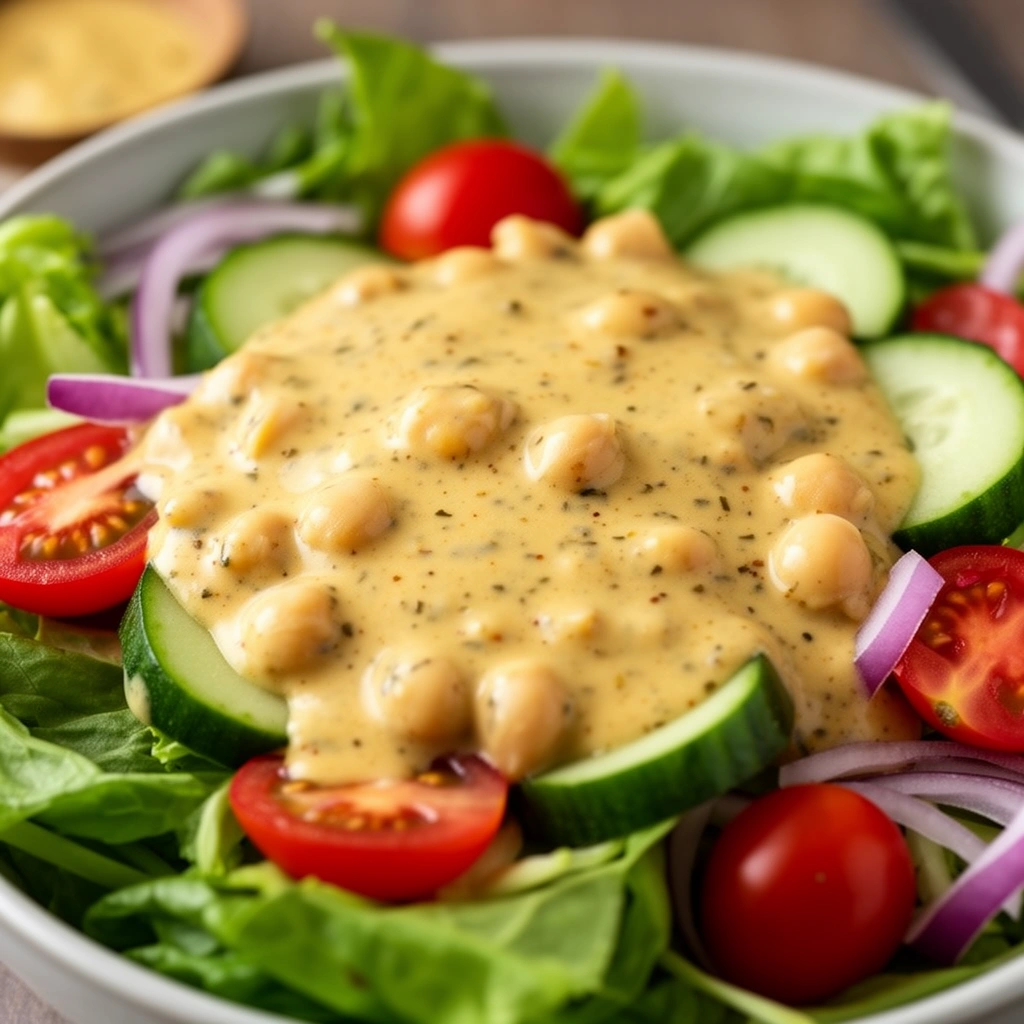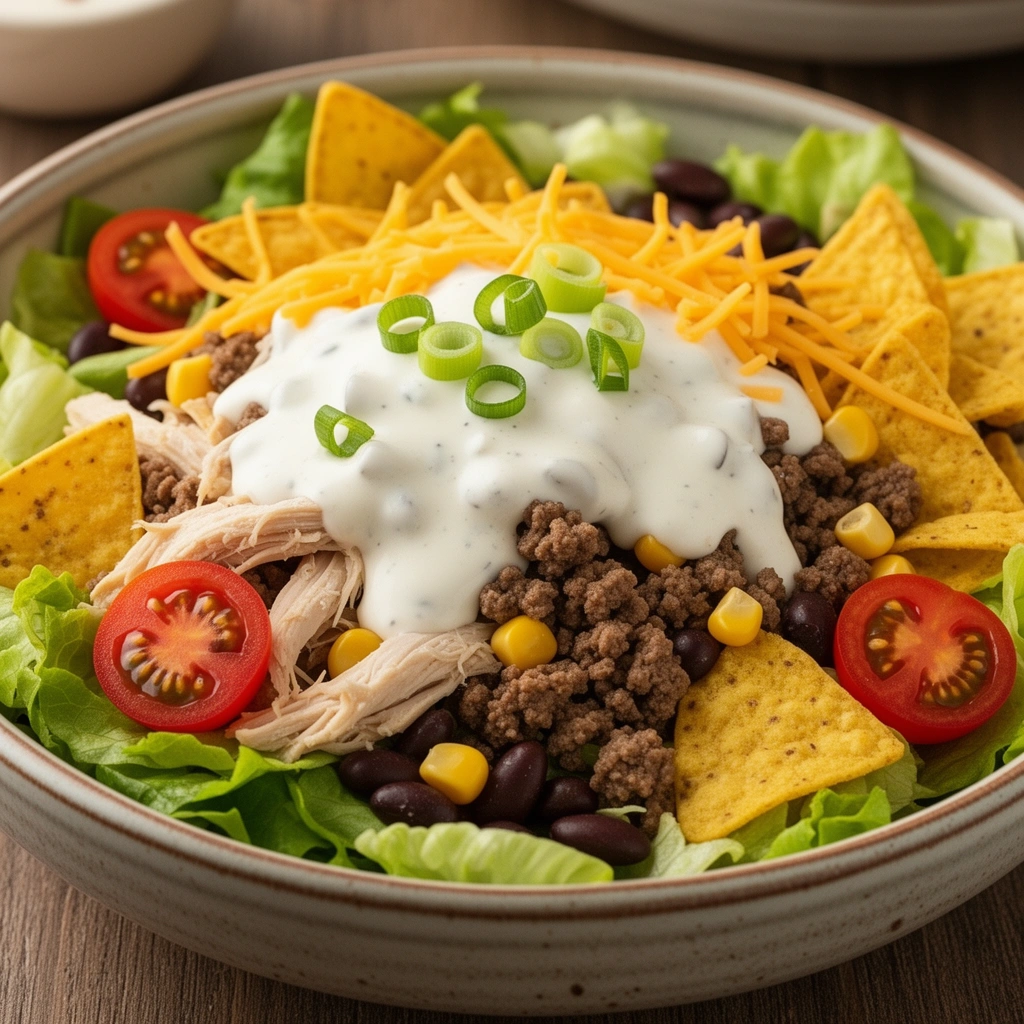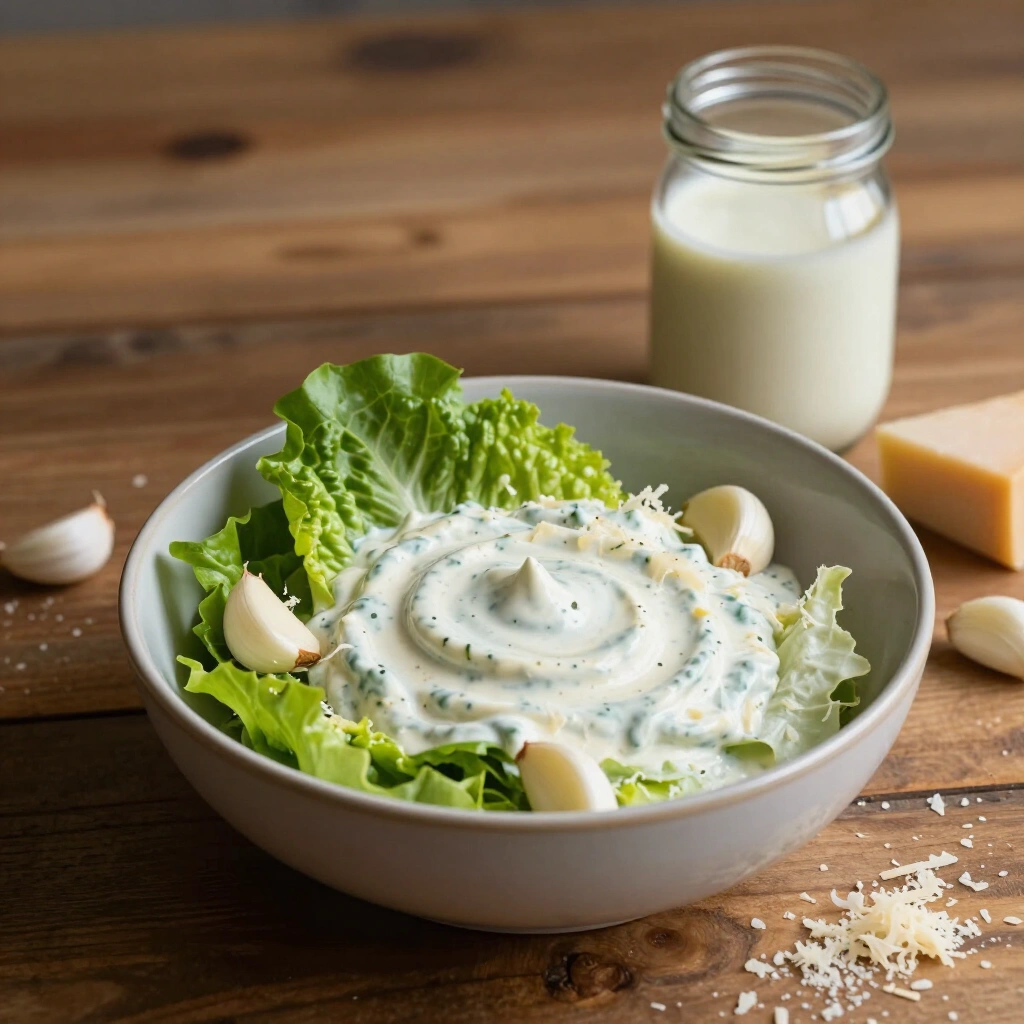

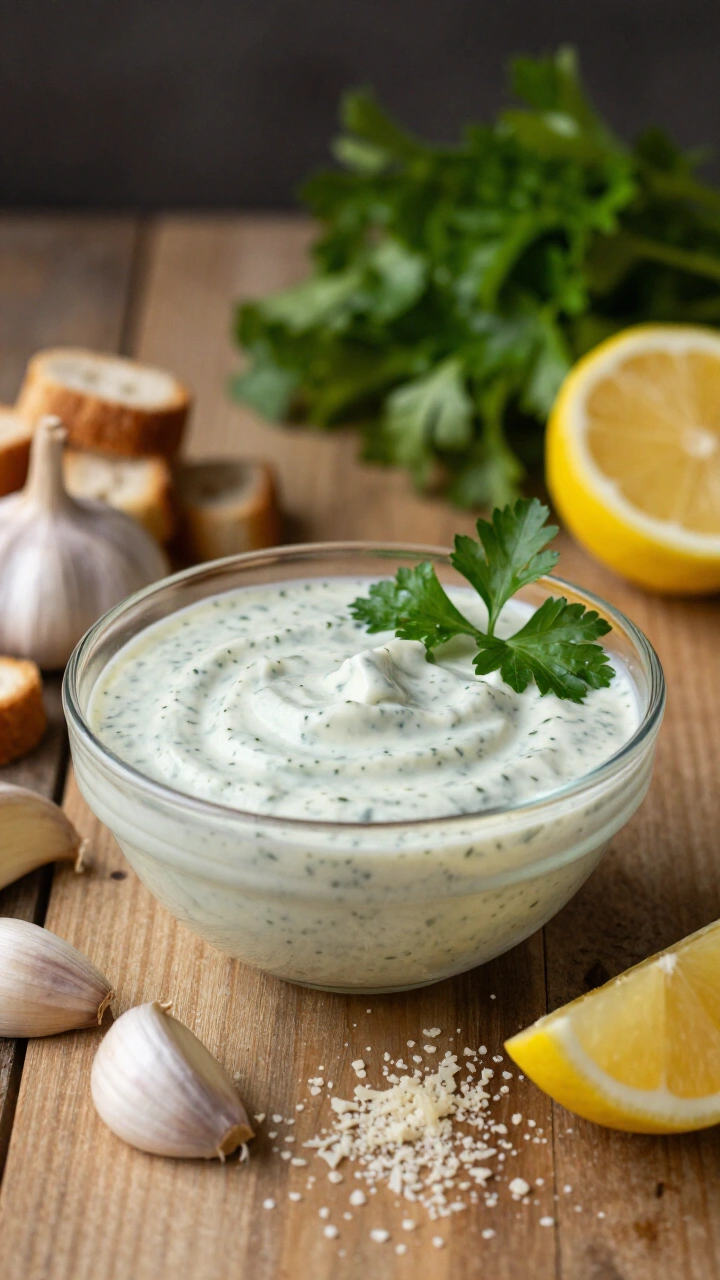
Once you make homemade Caesar dressing, you genuinely cannot go back to the bottled stuff. The flavor difference is not subtle , it’s the kind of gap that makes you question every Caesar salad you’ve ordered at a restaurant for the past decade. Real Caesar dressing is bold, garlicky, tangy, and deeply savory, and it comes together in about five minutes with ingredients you likely already have.
What Goes Into a Real Caesar Dressing
Bottled Caesar dressing typically contains a long list of stabilizers, preservatives, and flavor substitutes. Homemade Caesar dressing contains nine real ingredients , and each one exists for a specific reason.
This recipe serves four people and takes less time to make than it does to find a parking spot at a grocery store. Here’s what you need:
- 2 cloves garlic, diced and smashed , the aromatic backbone of the whole dressing
- 2 tsp Dijon mustard , emulsifies the dressing and adds sharp depth
- 1 tsp Worcestershire sauce , brings umami and complexity
- 1 egg yolk , the emulsifier that makes the dressing creamy and cohesive
- Juice of 1/2 a lemon , brightness and acidity to balance the richness
- 1/2 cup freshly grated Parmesan cheese , salty, nutty, and essential
- 1/4 tsp fresh cracked pepper , adds subtle heat throughout
- 1 tsp anchovy paste , the secret weapon (more on this below)
- 1/4 cup good olive oil , the base; quality genuinely matters here
How to Make Caesar Dressing
The method here is refreshingly simple. No blender required, no special equipment , just a bowl and a whisk, or a glass bottle and a strong shake. This is genuinely one of the most straightforward scratch dressings you’ll ever make.
Option 1: Whisk in the Salad Bowl
- Add the diced and smashed garlic to your salad bowl
- Add the Dijon mustard, Worcestershire sauce, anchovy paste, egg yolk, and lemon juice , whisk together until combined
- Whisk in the freshly grated Parmesan and cracked pepper
- Slowly drizzle in the olive oil while whisking continuously , this gradual addition helps the dressing emulsify properly
- Taste and adjust , more lemon for brightness, more Parmesan for saltiness, more pepper for heat
Option 2: Shake in a Glass Bottle
Add all ingredients to a glass jar or bottle with a tight lid. Shake vigorously for 30 to 45 seconds until everything combines. This method works well but produces a slightly less creamy result than whisking, since you have less control over the emulsification. Both methods produce a delicious dressing , the whisk method just gives you a touch more creaminess.
The Best Greens to Toss with This Dressing

Classic Caesar salad uses romaine lettuce, and for good reason , romaine holds up to a heavy, creamy dressing without wilting immediately. Those crisp, sturdy leaves give you the perfect vehicle for getting as much dressing as possible into every bite. Not that we’re measuring or anything.
The Romaine + Tuscan Kale Combination
Lately, mixing chopped romaine with Tuscan kale has become the preferred approach , and it’s genuinely excellent. Here’s why this combination works so well:
- Romaine provides the classic Caesar texture and mild flavor
- Tuscan kale (also called lacinato or dinosaur kale) adds a slightly earthy, robust flavor and holds its texture even longer than romaine
- The two-green mix creates more textural interest in every forkful
- Kale holds dressing beautifully , it actually benefits from sitting in the dressing for a few minutes before eating, which lets it soften slightly
If you haven’t tried Tuscan kale in a Caesar salad yet, this is your sign. FYI, massage the kale briefly with a tiny bit of olive oil and salt before adding the dressing , it softens the leaves and removes any bitterness.
The Finishing Touches: Croutons and More Parmesan
A Caesar salad without croutons is just a dressed salad. Croutons add the crunch that makes Caesar salad what it is, and homemade ones take the whole thing to another level entirely.
Quick Homemade Croutons
- Cube day-old sourdough or French bread into roughly 1-inch pieces
- Toss with olive oil, a pinch of garlic powder, salt, and pepper
- Bake at 375°F (190°C) for 12 to 15 minutes until golden and crisp
- Let cool slightly before adding to the salad , hot croutons wilt the leaves
Store-bought croutons work in a pinch, but they tend to be overly salty and turn soggy faster than homemade ones. Given how simple homemade croutons are, it’s worth the extra few minutes.
The Extra Parmesan Rule
The recipe already includes half a cup of Parmesan in the dressing itself. And then it calls for more on top. This is not excessive , this is correct. Shaving or grating extra Parmesan over the finished salad adds texture and bursts of salty, nutty flavor that complement the dressed leaves differently than the Parmesan already in the dressing. More cheese is always the right call here. 🙂
Homemade Caesar Dressing vs. Bottled: An Honest Comparison
| Homemade | Bottled | |
|---|---|---|
| Flavor | Bold, fresh, complex | Flat, one-dimensional |
| Ingredients | 9 real ingredients | Long list of additives |
| Texture | Creamy, clings to leaves | Often thin or gluey |
| Time | 5 minutes | 0 minutes |
| Shelf life | 3–4 days refrigerated | Months (not a good sign) |
| Cost per serving | Very low | Low |
The only genuine advantage bottled dressing has is convenience, and homemade Caesar dressing takes five minutes. That’s not really a convincing argument for bottled anymore.
Storing Your Homemade Caesar Dressing
Homemade Caesar dressing contains a raw egg yolk, which means proper storage matters. Here’s what to keep in mind:
- Store in a sealed glass jar or bottle in the refrigerator
- Use within 3 to 4 days for best flavor and food safety
- The dressing may thicken in the fridge , let it sit at room temperature for 5 minutes and give it a stir or shake before using
- Don’t freeze it , the emulsion breaks when frozen and the texture becomes unpleasant
Common Caesar Dressing Mistakes to Avoid
Even a straightforward recipe like this has a few pitfalls worth knowing about:
- Adding the olive oil too fast , Pour it in slowly while whisking. Dumping it in all at once breaks the emulsion and produces a separated, greasy dressing.
- Using pre-grated Parmesan , It doesn’t melt in properly and gives the dressing a grainy texture. Always grate fresh.
- Skipping the anchovy paste , IMO this is the biggest mistake people make. You won’t taste fish. You’ll taste something that makes everyone ask for the recipe.
- Using garlic powder instead of fresh garlic , The flavor is completely different. Fresh garlic diced and smashed is what gives this dressing its characteristic punch.
- Not tasting before serving , Always taste the dressing before tossing it with the salad. Adjust lemon, salt, or pepper to your preference right then and there.
Ways to Use Caesar Dressing Beyond Salad
Once you have a jar of this dressing in the fridge, you’ll find yourself reaching for it constantly. Here are some ways it works beyond the classic salad:
- Caesar wrap , romaine, chicken, Parmesan, and dressing in a flour tortilla
- Grilled chicken marinade , the acidity and fat make it an excellent marinade base
- Roasted vegetable dip , particularly good with roasted broccoli or asparagus
- Pizza base , spread it on flatbread instead of tomato sauce, top with chicken and Parmesan
- Grain bowl dressing , toss with farro, roasted chickpeas, and shaved Parmesan
Final Thoughts
Homemade Caesar dressing is one of those recipes that permanently changes how you think about a dish you’ve eaten a hundred times. Nine real ingredients, five minutes of effort, and you produce something that beats every bottled version on the market without exception.
Whisk it up in your salad bowl, toss it with that romaine and Tuscan kale combination, pile on the croutons, and finish with an enthusiastic amount of extra Parmesan. Make it once this week and you’ll wonder why it took you this long to go homemade. Your salads just got a serious upgrade , and honestly, they probably deserved it.
4
servings10
minutes20
minutes190
kcalIngredients
2 cloves garlic, diced and smashed
2 tsp Dijon mustard
1 tsp Worcestershire sauce
1 egg yolk
Juice of 1/2 lemon
1/2 cup freshly grated Parmesan cheese
1/4 tsp fresh cracked pepper
1 tsp anchovy paste
1/4 cup good olive oil
Directions
- Add the diced and smashed garlic to a bowl or salad bowl.
- Add the Dijon mustard, Worcestershire sauce, anchovy paste, egg yolk, and lemon juice, then whisk until combined.
- Whisk in the freshly grated Parmesan and cracked pepper.
- Slowly drizzle in the olive oil while whisking continuously until the dressing emulsifies and becomes creamy.
- Taste and adjust with more lemon for brightness, more Parmesan for saltiness, or more pepper for heat.
- Alternatively, add all ingredients to a jar or bottle with a tight lid and shake vigorously for 30 to 45 seconds until combined.
Notes
- Best served immediately or chilled for up to 2 days; whisk again before using if it separates.

About the author
Written by Arman
Hi, I'm Muhammad Arman, a healthy food expert who is passionate about helping you build a better life through real, nourishing food. I share simple, practical tips and clean recipes because I truly believe that eating well should feel good, not complicated.
Published April 12, 2026 Updated May 27, 2026