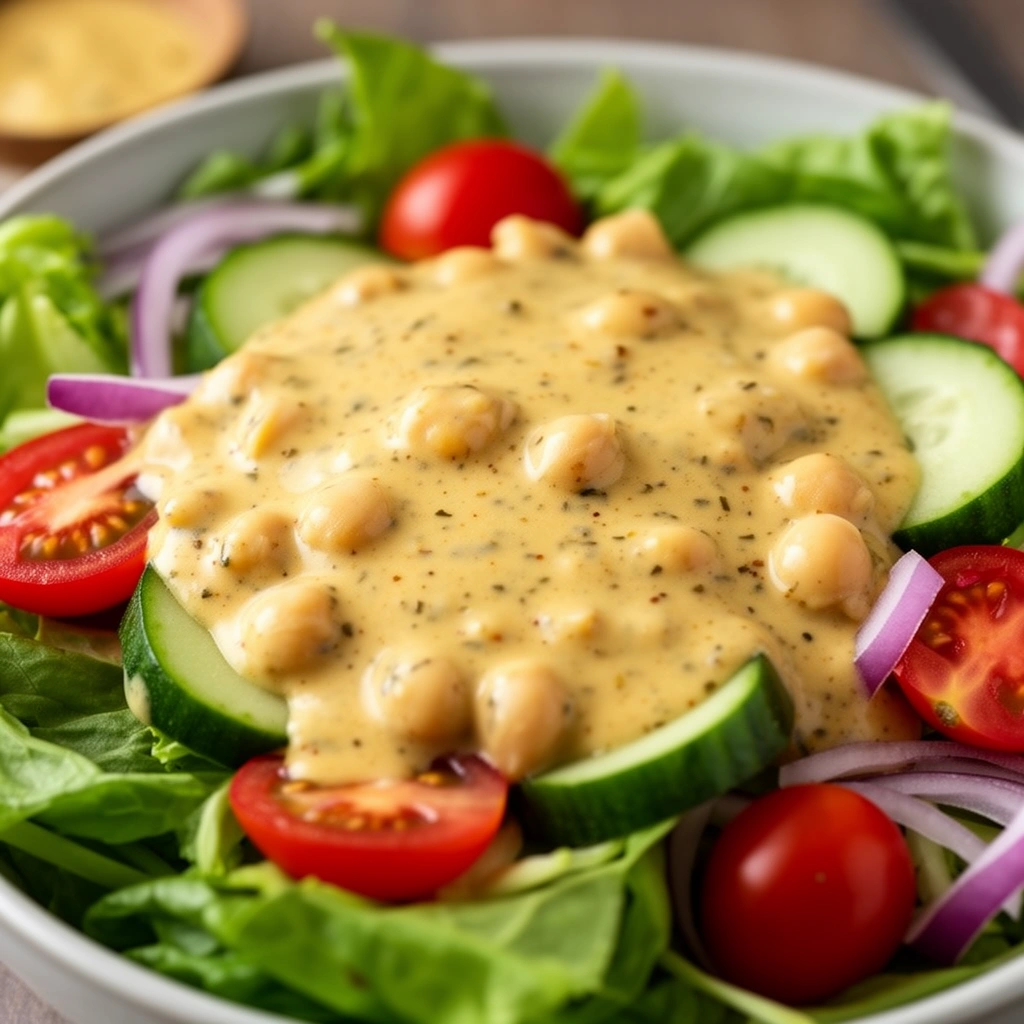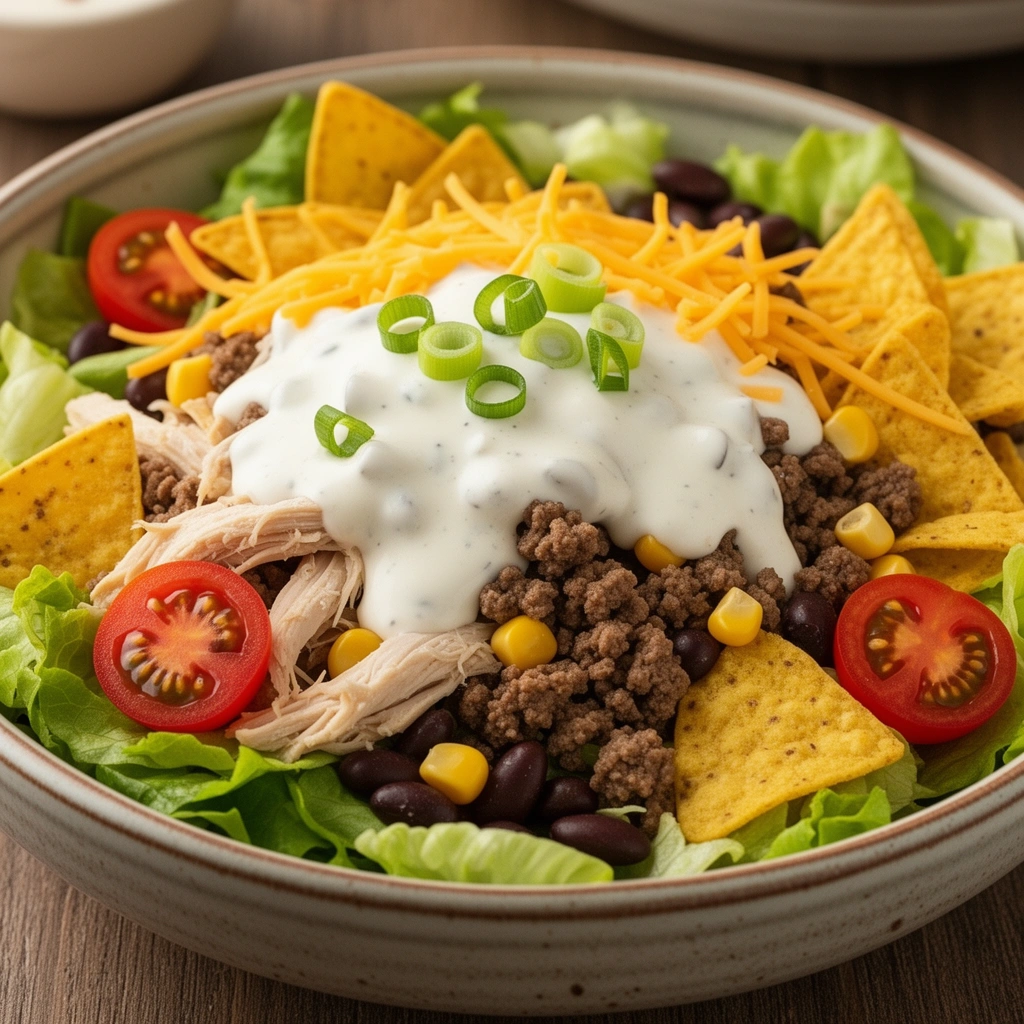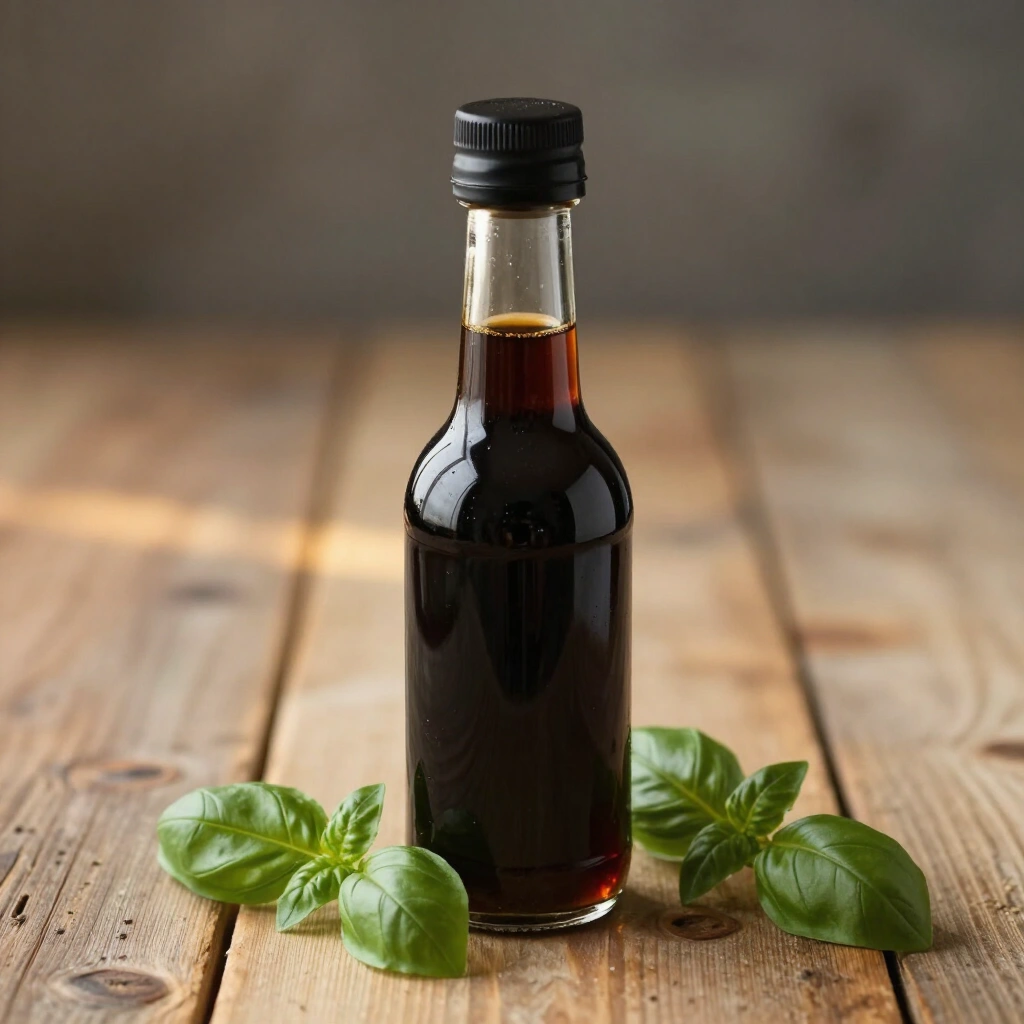

Some dressings are fine. Balsamic dressing is exceptional. That deep, slightly sweet, tangy flavor has a way of making even the most basic bowl of greens taste like something you’d pay twelve dollars for at a nice restaurant. And yet most people still grab a bottle from the grocery store and wonder why their salads feel underwhelming.
I made that mistake for years. Then I started making balsamic dressing at home, and the difference was embarrassingly obvious.
What Makes a Great Balsamic Dressing
It’s All About the Balance
Great balsamic dressing balances four things: acidity, richness, sweetness, and savory depth. The balsamic vinegar handles the acidity and depth. The olive oil handles the richness. A touch of maple syrup rounds out the sweetness. And garlic plus Dijon mustard anchor the whole thing with savory complexity.
When one of those elements is missing or off-balance, the dressing falls flat. That’s why most bottled versions disappoint , they over-sweeten, under-season, or use low-quality vinegar that tastes sharp instead of mellow.
The Ingredients You Need for Homemade Balsamic Dressing
Here’s everything that goes into this recipe:
- ½ cup balsamic vinegar , the star; use a quality brand with some age to it
- ½ cup extra virgin olive oil , adds richness and creates the silky texture
- 1 tsp maple syrup , a gentle natural sweetener that complements the vinegar beautifully
- 1 tsp Dijon mustard , emulsifies the dressing and adds savory depth
- 1 tsp minced garlic , brings warmth and a subtle punch
- ½ tsp sea salt , pulls all the flavors together
- 1 tbsp fresh basil and/or thyme (or ½ tsp dried) , optional, but worth adding if you have it
Every single ingredient here contributes something meaningful. This isn’t a recipe where you can casually skip items and expect the same result.
How to Make Balsamic Dressing , Two Easy Methods
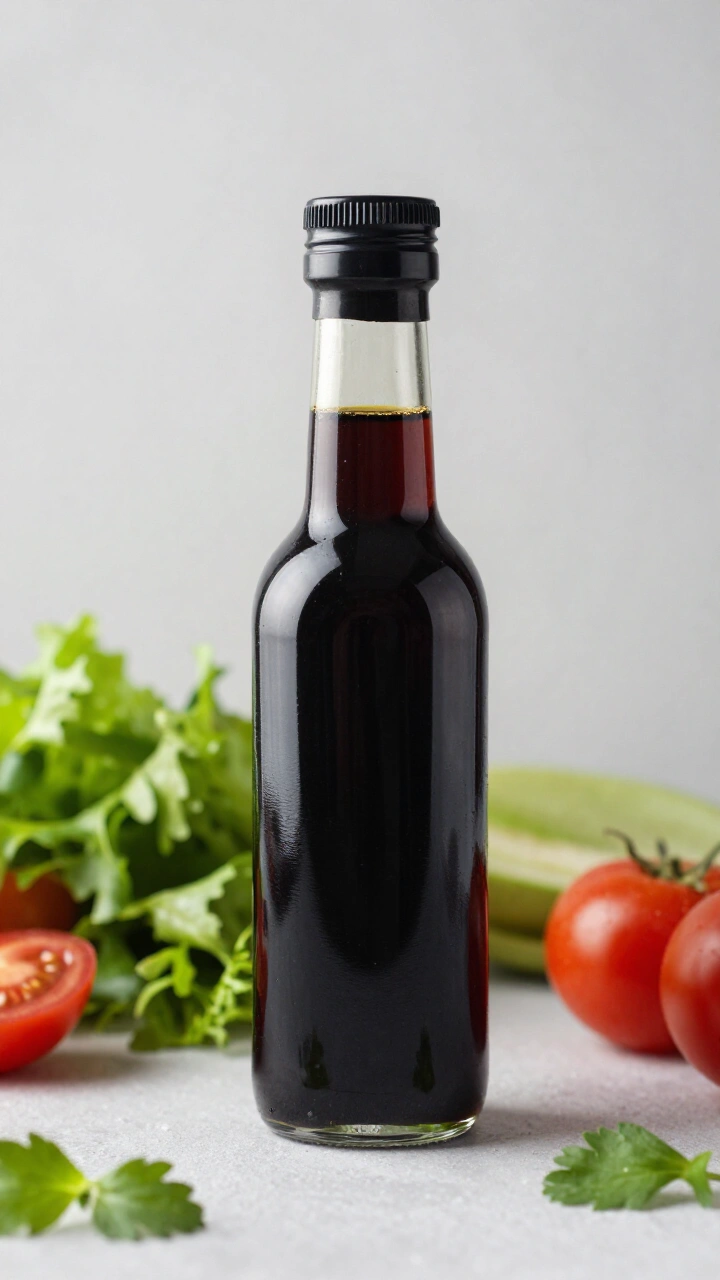
Method 1: The Blender
Add all your ingredients to a blender and blend for about 20–30 seconds until fully combined and emulsified. The blender does the most thorough job of incorporating everything, and you get a dressing with a slightly creamy, uniform texture. This method works especially well if you’re using fresh herbs, since the blender breaks them down and fully integrates them.
Method 2: Mason Jar or Glass Bottle
Add all the ingredients to a mason jar or glass bottle with a tight-fitting lid, then shake vigorously for 30–45 seconds. Alternatively, use a small whisk directly in the jar until everything emulsifies.
This method is faster, requires less cleanup, and lets you store the dressing in the same container you made it in. For most people making this on a weeknight, the mason jar wins every time.
Here’s the step-by-step:
- Add ½ cup balsamic vinegar to your jar
- Pour in ½ cup extra virgin olive oil
- Add 1 tsp maple syrup
- Add 1 tsp Dijon mustard
- Stir in 1 tsp minced garlic
- Add ½ tsp sea salt
- Add fresh or dried basil and/or thyme if using
- Seal tightly and shake hard until the dressing emulsifies
Done. You just made a restaurant-quality balsamic dressing in under two minutes.
How to Store Your Balsamic Dressing
Refrigerator Storage
Store the dressing in an airtight container in the refrigerator for up to one week. The mason jar you made it in works perfectly for storage , no need to transfer to a separate container.
The olive oil will solidify in the fridge, which looks alarming the first time you see it but is completely normal. Just take the jar out 10–15 minutes before using and let it sit at room temperature. Once the oil loosens up, shake or whisk to recombine and it’s ready to use.
How Much This Recipe Makes
This recipe produces about ¾ cup of balsamic dressing , roughly six standard two-tablespoon servings. For a household that uses dressing several times a week, it’ll last a few days. For smaller households or less frequent use, it’ll comfortably last the full week.
How to Use Balsamic Dressing
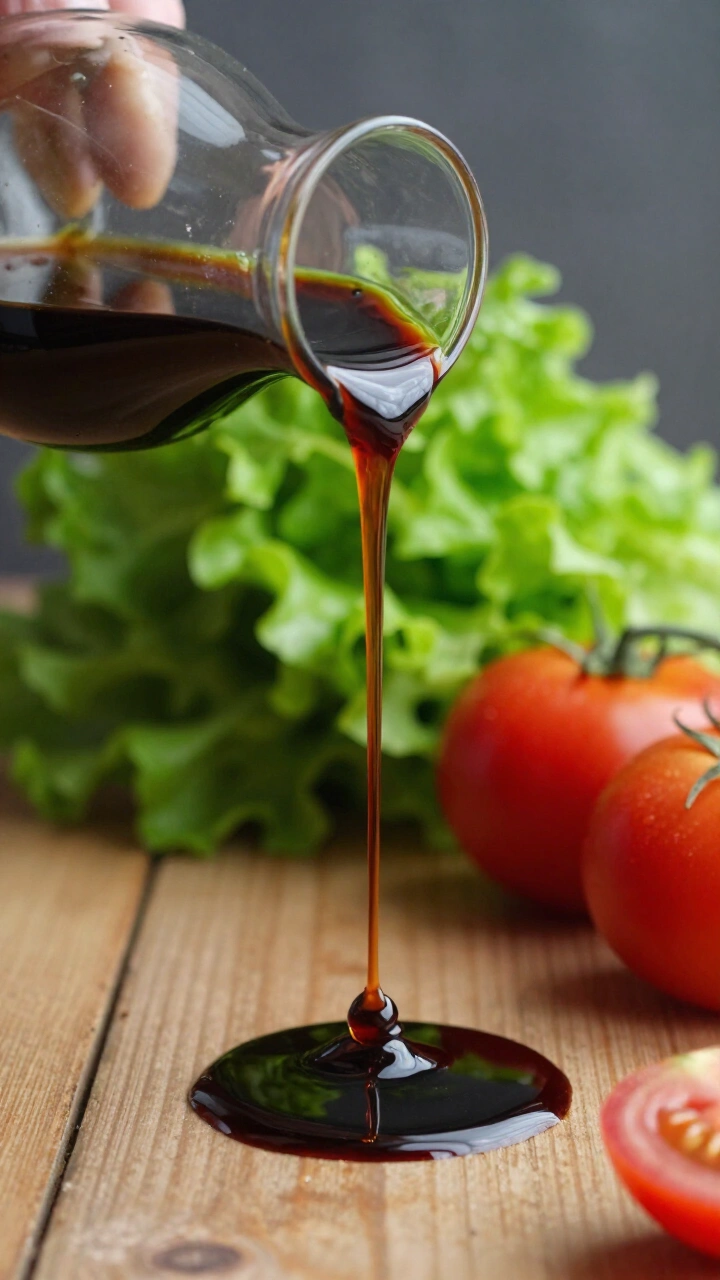
On Salads
Balsamic dressing works on almost any salad, but it really shines with certain combinations. Try it on:
- Caprese salad , fresh mozzarella, tomatoes, and basil with a generous balsamic drizzle
- Spinach salad with strawberries, goat cheese, and candied walnuts
- Arugula salad with shaved Parmesan and cherry tomatoes
- Mixed greens with roasted beets, avocado, and pumpkin seeds
The slight sweetness in the dressing pairs brilliantly with bitter greens and creamy cheeses. That flavor contrast is why balsamic dressings appear on so many restaurant menus.
As a Marinade
Balsamic dressing makes an outstanding marinade for chicken, steak, or portobello mushrooms. The vinegar tenderizes the protein while the olive oil and garlic infuse flavor throughout. Marinate for at least 30 minutes , a few hours if you have the time , then grill or roast as usual.
The garlic and herbs in this recipe mean the marinade is already fully seasoned. You don’t need to add anything else.
Drizzled Over Vegetables
Roasted or grilled vegetables with balsamic dressing taste spectacular. Try it over roasted asparagus, grilled zucchini, or oven-roasted cherry tomatoes. Add the dressing right after cooking while the vegetables are still warm so it absorbs slightly into the flesh.
This works especially well as a side dish when you want something simple that still tastes impressive.
On Grain Bowls and Bruschetta
Use balsamic dressing as the base for a grain bowl with farro, roasted vegetables, chickpeas, and crumbled feta. It also doubles as a bruschetta topping when drizzled over toasted bread with diced tomatoes and fresh basil. The versatility of this dressing is genuinely one of its best qualities.
Customizing Your Balsamic Dressing Recipe
Make It Sweeter
Add an extra half teaspoon of maple syrup if you prefer a sweeter balsamic dressing. This version works especially well as a dip for bread or drizzled over fruit-based salads where a little extra sweetness enhances the whole dish.
Make It More Herby
Double the herbs , use a full tablespoon of fresh basil and add fresh thyme alongside it. This produces a more complex, aromatic dressing that works beautifully on grain bowls and pasta salads. The herbs become a more prominent flavor rather than just background support.
Make It Tangier
Reduce the maple syrup to just half a teaspoon if you prefer your balsamic dressing sharper and less sweet. This version works better on heartier salads with strong-flavored components like blue cheese or roasted red onions, where a more assertive acidity cuts through the richness.
Why This Balsamic Dressing Beats Every Bottle on the Shelf
Most bottled balsamic dressings contain modified food starch, added sugar, caramel color, and preservatives. They produce a uniform product that tastes okay but never tastes fresh. Homemade balsamic dressing uses seven real ingredients and takes two minutes. The flavor difference is immediate and obvious.
FYI , once you start making your own dressings, going back to bottled feels genuinely strange. The control you have over flavor, quality, and ingredients is something no pre-packaged product can replicate.
Quality balsamic vinegar, great olive oil, a touch of maple syrup, Dijon, garlic, salt, and fresh herbs. That’s all this recipe needs, and it delivers every single time. Make it in a blender for a perfectly smooth result, or shake it in a mason jar for a faster weeknight option. Store it in the fridge for up to a week, shake before each use, and watch it improve everything it touches.
6
servings5
minutes2
minutes120
kcalIngredients
1/2 cup balsamic vinegar
1/2 cup extra virgin olive oil
1 tsp maple syrup
1 tsp Dijon mustard
1 tsp minced garlic
1/2 tsp sea salt
1 tbsp fresh basil and/or thyme, or 1/2 tsp dried (optional)
Directions
- Add all ingredients to a blender and blend for 20–30 seconds until fully combined and emulsified, or place everything in a mason jar with a tight-fitting lid.
- Shake vigorously for 30–45 seconds, or whisk in the jar until the dressing emulsifies.
- Taste and adjust seasoning if needed, then use immediately or refrigerate in an airtight container.
Notes
- Store in the refrigerator for up to 1 week; let it sit at room temperature for 10–15 minutes and shake well before using, since the oil will solidify when chilled.

About the author
Written by Arman
Hi, I'm Muhammad Arman, a healthy food expert who is passionate about helping you build a better life through real, nourishing food. I share simple, practical tips and clean recipes because I truly believe that eating well should feel good, not complicated.
Published April 19, 2026 Updated May 27, 2026