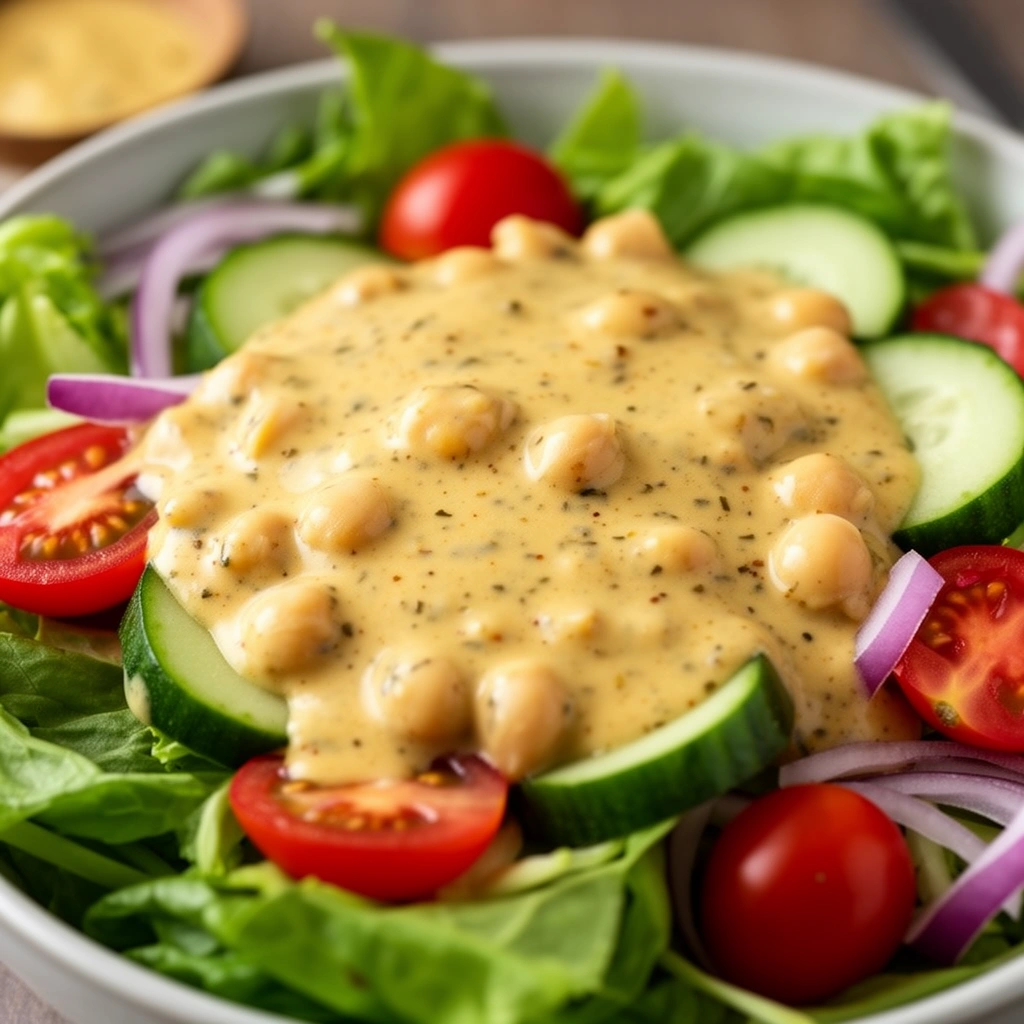
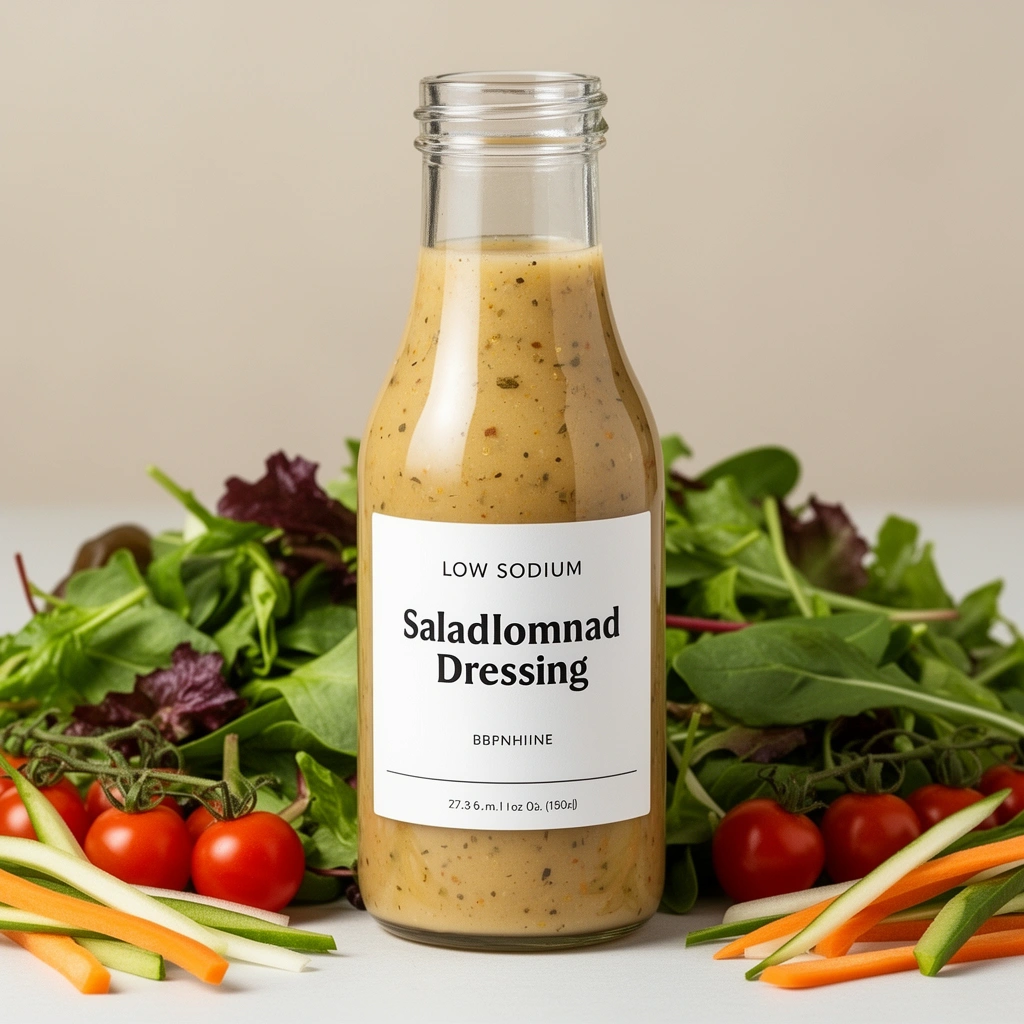
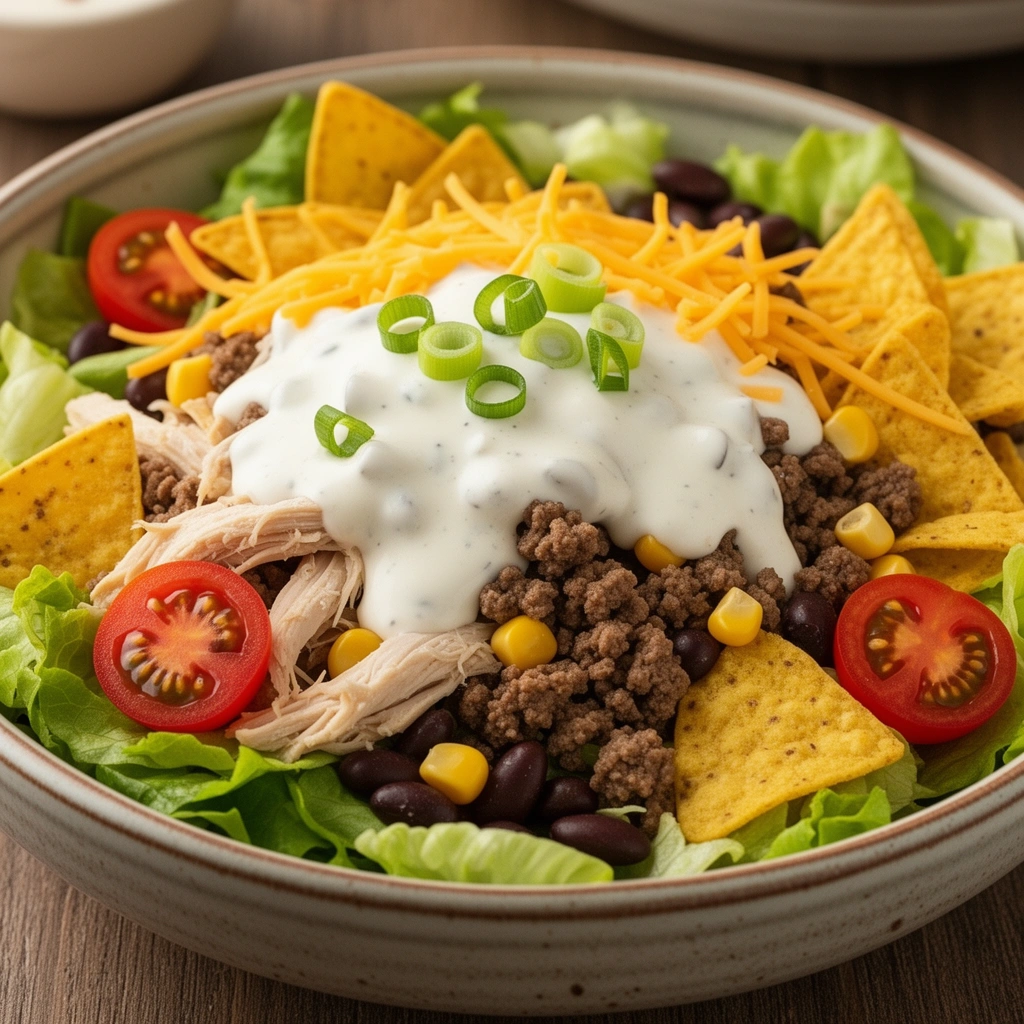
There’s a specific kind of salad disappointment that hits when you pour on a dressing and it completely buries everything underneath it. Too heavy, too creamy, too sweet , and suddenly your fresh vegetables taste like they’re drowning. Lemon vinaigrette fixes all of that. It lifts flavors instead of covering them, and it makes every ingredient on the plate taste more like itself.
Why Lemon Vinaigrette Dressing Belongs in Your Weekly Rotation
It Does What Heavy Dressings Can’t
Lemon vinaigrette dressing works because it enhances rather than dominates. The bright citrus acidity cuts through richness, the olive oil adds just enough body, and the whole thing coats your salad without weighing it down. It makes greens taste crisper, vegetables taste fresher, and grains taste more alive.
Compare that to a creamy ranch or a thick Caesar , those dressings take over. Lemon vinaigrette plays a supporting role and makes everything around it better. That’s a rare quality in a condiment.
It Takes Literally Two Minutes to Make
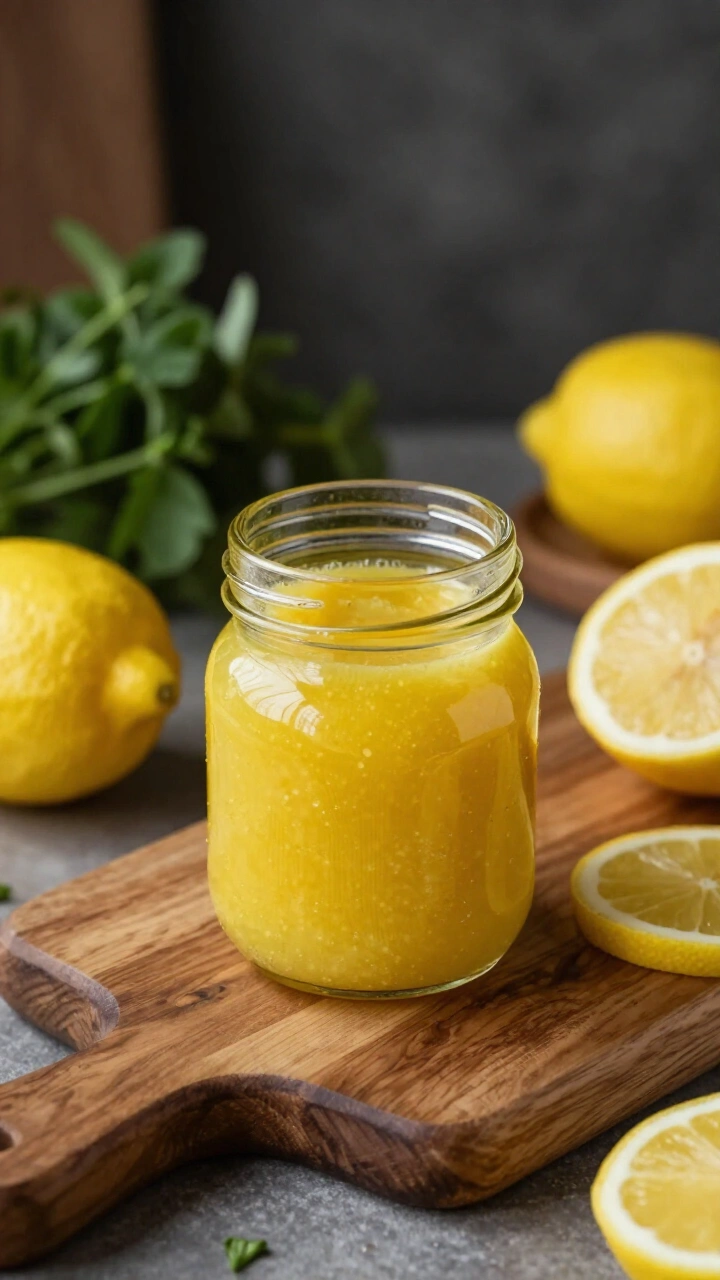
Juice four lemons, add six more ingredients, shake everything in a jar. You don’t need a blender, a whisk, or a single piece of cooking equipment beyond a jar and a citrus squeezer. The total prep time from start to finish is about two minutes, and it stays fresh in the fridge for up to a week.
Honestly, the hardest part is juicing four lemons, and even that’s not hard :/
Ingredients Needed
Every ingredient in this recipe has a job. Nothing is here for decoration.
- 4 lemons, juiced , the backbone of the whole dressing; fresh lemon juice is essential
- 1 clove garlic, minced , adds savory depth that grounds the bright citrus flavor
- ½ cup olive oil , creates richness and a silky texture that carries the flavors
- 1½ tsp Dijon mustard , emulsifies the dressing and adds subtle savory complexity
- ½ tsp kosher salt , essential for making every other flavor pop
- ¼ tsp black pepper , adds warmth without heat
- ½ tsp honey , balances the acidity of the lemon with a touch of natural sweetness
These seven ingredients create a dressing that’s bright, balanced, and genuinely craveable. Change any one of them and you shift the whole flavor profile.
How to Make Lemon Vinaigrette Dressing , The Jar Method
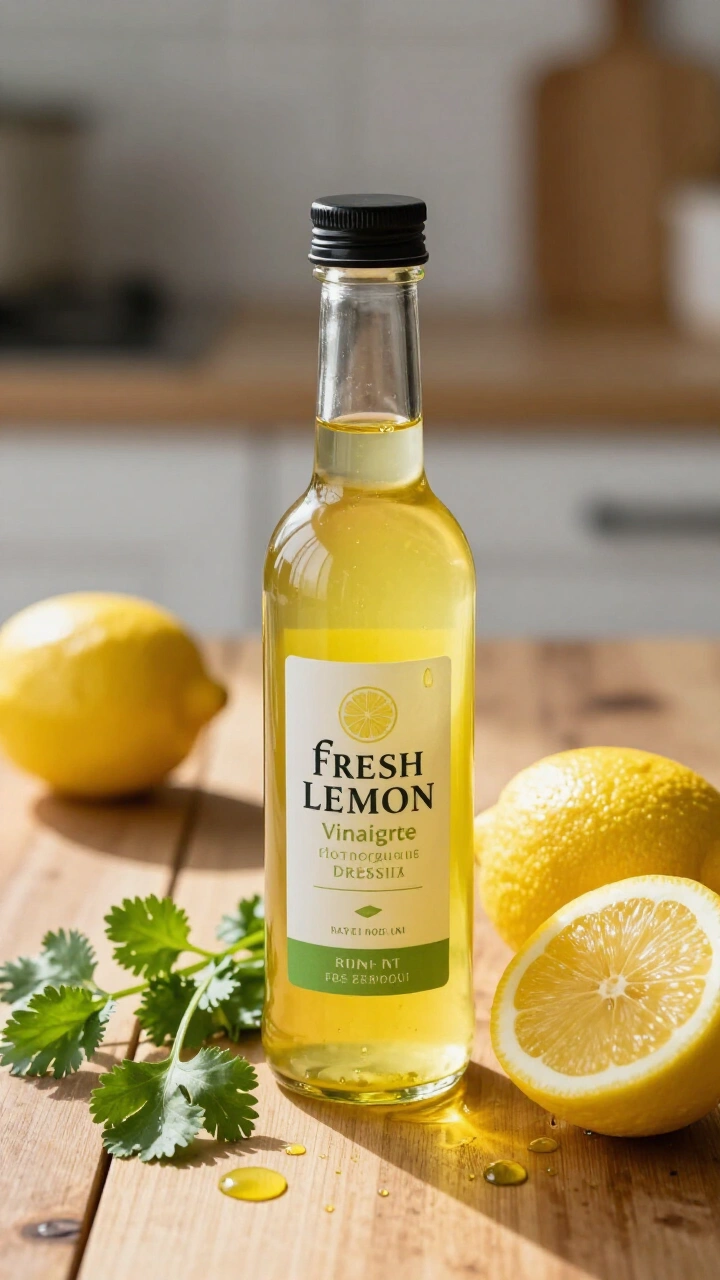
Step-by-Step Instructions
This recipe uses the simplest possible method: a glass jar, all your ingredients, and some vigorous shaking.
- Juice 4 lemons and add the juice to your glass jar
- Add 1 clove of minced garlic
- Pour in ½ cup olive oil
- Add 1½ tsp Dijon mustard
- Add ½ tsp kosher salt
- Add ¼ tsp black pepper
- Add ½ tsp honey
- Cover the jar tightly and shake until everything combines into a smooth, unified dressing
The Dijon mustard does the emulsification work, so you’ll notice the dressing comes together quickly and holds its texture better than vinaigrettes made without it. Give it a solid 30–45 seconds of shaking and you’re done.
Why the Jar Method Wins
The jar method isn’t just convenient , it’s smart storage built right into the prep process. You make the dressing in the jar, you store the dressing in the jar, you pour from the jar. Zero extra containers, zero extra cleanup.
If you want to use a blender, that works too and creates a slightly more emulsified texture. But for a dressing this simple, the jar method delivers excellent results without the hassle. 🙂
Make a Big Batch and Keep It in the Fridge
Weekly Meal Prep Game-Changer
This lemon vinaigrette dressing stays fresh in the refrigerator for up to one week, which makes it ideal for meal prep. Make a full batch on Sunday, and you have a fresh, homemade dressing ready for every salad, grain bowl, and marinade through the following weekend.
Having a great dressing on hand changes how often you actually eat salads. When the dressing takes two minutes to make and lasts a week, there’s no excuse not to use it.
Dealing With Oil Solidification
The olive oil will solidify in the fridge , this is completely normal and not a sign that something went wrong. Olive oil becomes semi-solid at cold temperatures. Just take the jar out 5–10 minutes before you need it, let it warm up slightly, then shake it again to recombine.
FYI , if you’re in a hurry, run the jar under warm water for 30 seconds and the oil loosens immediately. Good as new.
How to Use Lemon Vinaigrette Dressing
On Salads , The Obvious and the Unexpected
Lemon vinaigrette works on virtually every type of salad, from simple green salads to complex composed dishes. Some combinations that genuinely shine:
- Arugula with shaved Parmesan and pine nuts , the peppery arugula and the bright lemon are a classic pairing
- Kale salad with roasted chickpeas and avocado , the acidity helps break down the kale slightly as it sits
- Butter lettuce with cucumber, radishes, and fresh herbs , delicate flavors that lemon vinaigrette enhances without overwhelming
- Farro or quinoa salad with roasted vegetables , the dressing soaks into the grains and ties everything together
The lighter and fresher the salad, the better lemon vinaigrette performs.
As a Marinade for Chicken and Fish
Lemon vinaigrette doubles as a phenomenal marinade, particularly for chicken breast, shrimp, and white fish like cod or halibut. The lemon juice tenderizes the protein, the olive oil keeps it moist during cooking, and the garlic and Dijon infuse throughout.
Marinate for 20–30 minutes minimum , up to two hours for chicken. Then grill, roast, or pan-sear as normal. The result tastes bright, flavorful, and genuinely impressive for something that required almost no effort.
Drizzled Over Roasted Vegetables
Add lemon vinaigrette to roasted vegetables right after they come out of the oven. The residual heat helps the dressing absorb into the vegetables while the acidity cuts through the richness of the roasting oil. This works especially well with asparagus, broccoli, green beans, and roasted potatoes.
This technique transforms a basic vegetable side dish into something worth talking about at dinner.
On Grain Bowls and Pasta Salad
Use lemon vinaigrette as the dressing for grain bowls built around farro, quinoa, barley, or couscous. The acidity keeps the grains tasting fresh rather than heavy, and the garlic flavor carries through every bite. It also works beautifully as a pasta salad dressing , toss warm pasta with the vinaigrette immediately so it absorbs into the noodles as it cools.
Customizing Your Lemon Vinaigrette
Add Fresh Herbs
Stir in a tablespoon of finely chopped fresh herbs , parsley, basil, dill, or tarragon all work well. Fresh herbs add color, complexity, and an aromatic quality that makes the dressing feel more special. This version works particularly well on grain bowls and pasta salads where the herbs can distribute throughout the dish.
Make It More Garlicky
Use two cloves instead of one if you want a more assertive garlic presence. This bolder version works better as a marinade or on heartier salads with strong-flavored components like roasted beets, olives, or aged cheese.
Make It Tangier
Add the zest of one lemon along with the juice to amplify the citrus flavor significantly. Lemon zest contains the essential oils from the peel, which have a more intense, slightly floral lemon character compared to juice alone. This version is especially good on delicate fish and light summer salads.
Make It Sweeter
Increase the honey to one full teaspoon if you prefer a slightly sweeter, more mellow vinaigrette. This version pairs well with fruit-forward salads featuring strawberries, peaches, or mandarin oranges, where a little extra sweetness ties the whole dish together.
The Nutritional Upside of Lemon Vinaigrette
Clean Ingredients, Real Benefits
The olive oil in this dressing provides heart-healthy monounsaturated fats and helps your body absorb fat-soluble vitamins from the salad vegetables you’re dressing. Lemon juice delivers vitamin C and antioxidants. The garlic contributes compounds associated with immune and cardiovascular health.
This isn’t just a dressing that tastes good , it’s one built from ingredients that actually contribute something nutritionally. That’s a combination worth choosing consistently.
No Additives, No Preservatives
Every ingredient is whole and real, with no modified starch, artificial flavor, or preservatives needed. You know exactly what’s in it because you put it all in there yourself. Compared to bottled lemon vinaigrette options loaded with stabilizers and natural flavors, the homemade version wins in every category.
Start Making It This Week
Four lemons, one jar, seven ingredients, two minutes. That’s the entire barrier to entry for a lemon vinaigrette dressing that outperforms anything you’ll find at a grocery store.
Make a big batch, keep it in the fridge, and watch how much better your meals get across the entire week. Use it on salads, pour it over chicken, toss it with roasted vegetables , this dressing belongs on everything.
8
servings2
minutes20
minutes120
kcalIngredients
4 lemons, juiced
1 clove garlic, minced
1/2 cup olive oil
1 1/2 tsp Dijon mustard
1/2 tsp kosher salt
1/4 tsp black pepper
1/2 tsp honey
Directions
- Juice the 4 lemons and add the juice to a glass jar.
- Add the minced garlic, olive oil, Dijon mustard, kosher salt, black pepper, and honey to the jar.
- Cover the jar tightly and shake vigorously for 30 to 45 seconds until the dressing is smooth and emulsified.
- Taste and adjust seasoning if needed, then use immediately or refrigerate.
- Store in the refrigerator for up to 1 week and shake again before serving if separated.
Notes
- If the olive oil solidifies in the fridge, let the jar sit at room temperature for a few minutes and shake well before using.

About the author
Written by Arman
Hi, I'm Muhammad Arman, a healthy food expert who is passionate about helping you build a better life through real, nourishing food. I share simple, practical tips and clean recipes because I truly believe that eating well should feel good, not complicated.
Published April 19, 2026 Updated May 27, 2026