Oil and Vinegar Salad Dressing
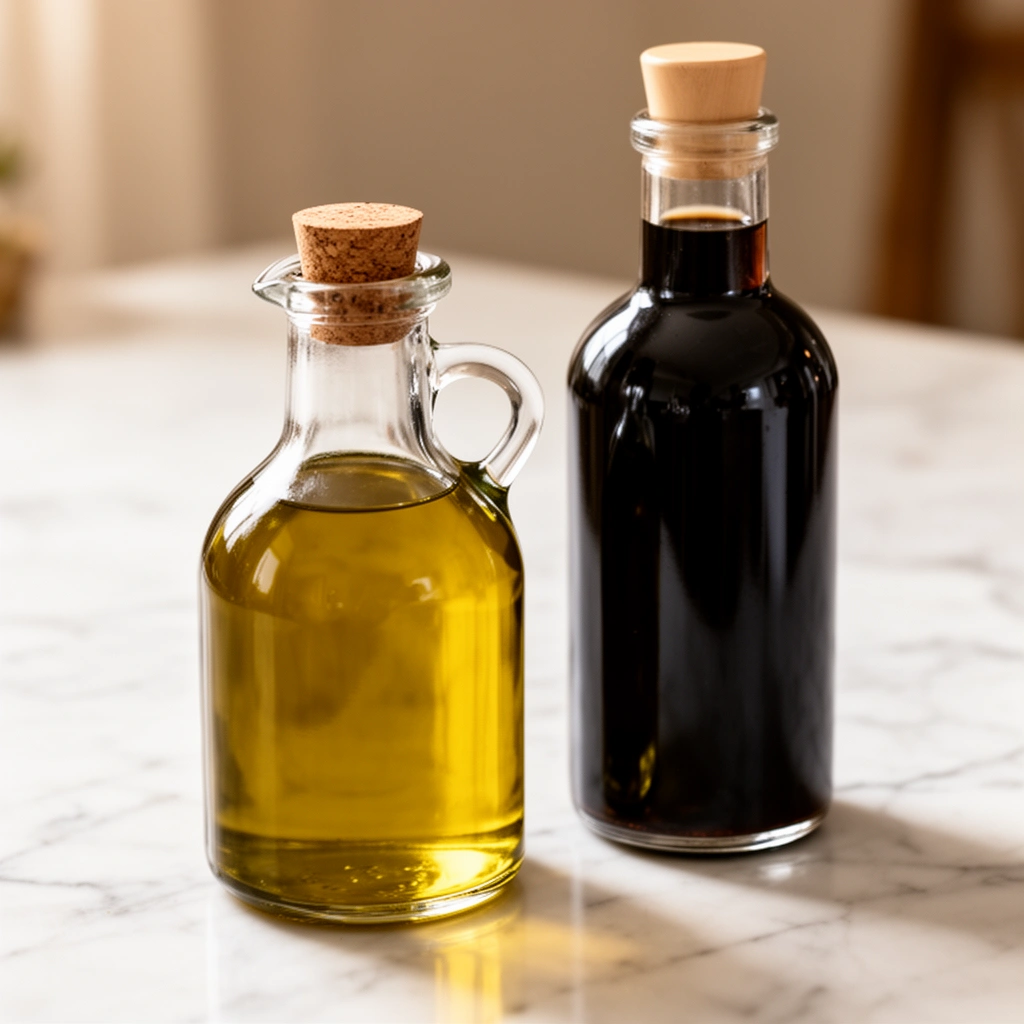
Some things just don’t need to be complicated. Oil and vinegar salad dressing is one of them. Six ingredients, one bowl, three minutes and you have a dressing so good it makes bottled alternatives feel like a genuine waste of money and shelf space.
What Makes Oil and Vinegar Dressing So Enduringly Good
Oil and vinegar is one of the oldest dressing combinations in existence, and it has survived every food trend for a straightforward reason , it works on almost everything. The contrast between rich, smooth olive oil and sharp, tangy vinegar creates a flavour balance that enhances rather than competes with whatever you pour it over.
This version uses wholegrain mustard and honey to elevate the classic formula. The mustard acts as an emulsifier, binding the oil and vinegar together into a cohesive dressing rather than letting them immediately separate. The honey softens the vinegar’s sharpness without making the dressing noticeably sweet. Together, they turn a two-ingredient concept into something genuinely layered and complex.
Why Apple Cider Vinegar Works So Well Here
Most oil and vinegar dressings use white wine vinegar or red wine vinegar as the acid component. Apple cider vinegar (ACV) brings something different, a slightly fruity, mellow tang that feels less abrasive than white vinegar and less heavy than red wine vinegar. It also carries a natural sweetness that pairs particularly well with the honey and wholegrain mustard in this recipe.
ACV also brings well-documented health benefits, including supporting digestion and blood sugar balance. Whether you care about that or just want a great dressing, it earns its place here 🙂
The Ingredients: What You Need and Why
Six ingredients. Every one of them matters. Here’s the full list for this homemade oil and vinegar salad dressing:
- 60ml extra virgin olive oil
- 40ml apple cider vinegar
- 1 tablespoon wholegrain mustard
- 2 teaspoons honey
- ½ teaspoon sea salt flakes
- Cracked black pepper, to taste
How to Make Oil and Vinegar Salad Dressing
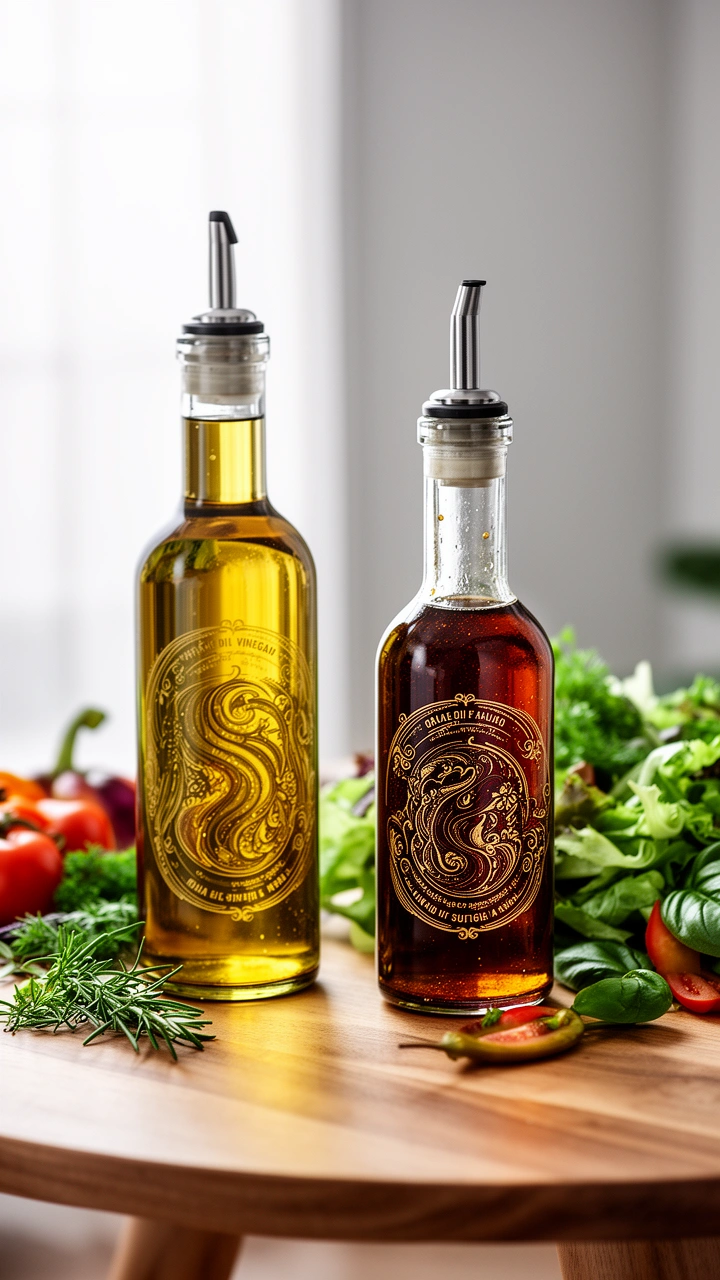
The method here produces a properly emulsified oil and vinegar dressing , meaning the oil and vinegar stay combined rather than separating into layers. Here’s how to do it correctly:
Step 1: Combine the Wet Ingredients First
Add to a small mixing bowl:
- 40ml apple cider vinegar
- 1 tablespoon wholegrain mustard
- 2 teaspoons honey
- ½ teaspoon sea salt flakes
- Cracked black pepper to taste
Whisk these together until the honey and salt dissolve fully into the vinegar. This takes about 20–30 seconds. Getting the non-oil ingredients combined first makes emulsification significantly easier.
Step 2: Add the Olive Oil Gradually
Here’s the step that most people rush and then wonder why their dressing separates. Pour the 60ml of extra virgin olive oil in slowly , a thin, steady stream , while whisking constantly. Adding it gradually gives the mustard time to bind the oil into the vinegar mixture.
Continue whisking for another 30 seconds after you’ve added all the oil. The dressing should look uniform and slightly opaque rather than visibly separated. That’s your emulsification , the oil and vinegar no longer sitting in distinct layers.
Step 3: Taste and Adjust
Dip a piece of lettuce or a clean spoon into the dressing and taste it properly. Want more acidity? Add a small splash of ACV. Want more depth? A little more mustard. Need more salt? Add it now, whisk again, and taste once more. Adjusting at this stage takes 60 seconds and makes a meaningful difference to the finished result.
Step 4: Store and Serve
Transfer to a sealed glass jar and refrigerate until ready to use. Before dressing your salad, allow the dressing to come to room temperature , about 10–15 minutes out of the fridge. The olive oil solidifies slightly when cold, and room temperature dressing coats salad leaves far more evenly.
The Emulsification Question: Why It Matters
If you’ve ever made oil and vinegar dressing by just shaking everything in a jar, you’ve noticed it separates almost immediately. That’s not necessarily a problem for casual use, but a properly emulsified dressing clings to salad leaves rather than pooling at the bottom of the bowl.
Wholegrain mustard contains lecithin, a natural emulsifier. When you whisk the oil in gradually, the lecithin molecules surround the oil droplets and hold them suspended in the vinegar. The result stays combined noticeably longer than a simple shake-and-pour dressing.
FYI , even an emulsified dressing will eventually separate in the fridge. Just shake or whisk it briefly before each use and it comes right back together.
What to Dress with This Oil and Vinegar Dressing
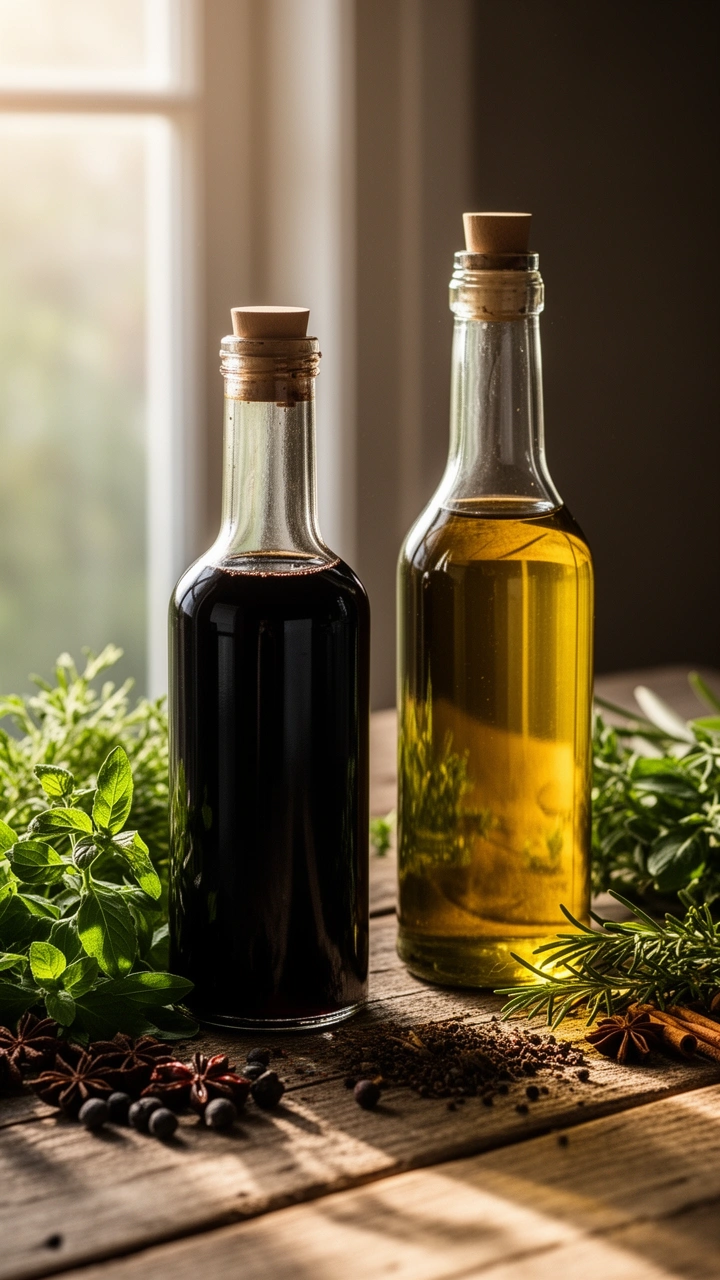
The versatility of a good oil and vinegar dressing genuinely surprises people. It’s not just for green salads:
- Classic mixed green salad , its most natural pairing
- Tomato and cucumber salad , the acidity cuts through the freshness beautifully
- Roasted vegetables , toss warm vegetables in the dressing right out of the oven
- Grain bowls , drizzle over farro, quinoa, or brown rice bowls
- Pasta salad , toss through cold pasta with olives, capsicum, and feta
- Lentil salad , the mustard and ACV combination works brilliantly with legumes
- Grilled chicken or fish , use as a light finishing drizzle after cooking
- Coleslaw , thin it slightly with extra vinegar and toss through shredded cabbage
IMO, using this dressing on warm roasted vegetables straight from the oven is one of the most underrated moves in cooking. The heat helps the dressing absorb into the vegetables, and the result tastes like something from a restaurant rather than a home kitchen.
Oil and Vinegar Dressing vs. Store-Bought Alternatives
Let’s be direct about what you’re comparing:
| Factor | Homemade Oil & Vinegar | Store-Bought Dressing |
|---|---|---|
| Ingredients | 6 whole foods | Often 20+ with stabilisers |
| Emulsifiers | Natural (mustard lecithin) | Chemical additives |
| Flavour | Fresh, bright, layered | Often flat or artificially sharp |
| Oil quality | Your choice (EVOO) | Usually lower-grade oils |
| Customisable | Fully | Not at all |
| Cost per batch | Minimal | Moderate to high |
| Shelf life | 1–2 weeks in fridge | Months (preservatives) |
The only advantage bottled dressing holds is convenience , and three minutes of whisking eliminates that advantage entirely.
Flavour Variations to Try
Once you’re comfortable with the base recipe, these variations are worth experimenting with:
Lemon and Herb
Replace the apple cider vinegar with fresh lemon juice and add ½ teaspoon of dried thyme or fresh chopped basil. This lighter version suits delicate salad leaves and fish dishes particularly well.
Garlic and Herb
Add one grated garlic clove and ½ teaspoon of dried oregano to the base recipe. This version moves closer to a Greek-style dressing and pairs beautifully with tomato, olive, and feta combinations.
Balsamic Variation
Replace half the apple cider vinegar with balsamic vinegar. The result is richer, slightly sweeter, and works especially well on salads with fruit, nuts, or goat cheese.
Chilli and Honey
Add ¼ teaspoon of chilli flakes and increase honey to 1 tablespoon. This version brings warmth and sweetness that works brilliantly on grain bowls and roasted sweet potato salads.
Storage Tips for Best Results
This oil and vinegar dressing keeps well for up to two weeks when stored in a sealed glass jar in the fridge. A few practical notes:
- The olive oil will solidify slightly when refrigerated , this is completely normal
- Always bring to room temperature before use and shake or whisk before dressing
- Glass jars preserve flavour better than plastic containers
- The dressing tastes best in the first week when the ingredients are at their freshest
Final Thoughts
A good oil and vinegar salad dressing is one of the most useful things you can make at home. Six ingredients, three minutes, and you have something that outperforms anything bottled , fresher, brighter, more flavourful, and completely customisable to your taste.
Make this dressing once and you’ll understand why it’s been the foundation of great salads for centuries. The wholegrain mustard, the apple cider vinegar, the quality olive oil , everything works together in a way that feels simple but tastes considered. Make a batch this week, keep it in the fridge, and let your salads finally taste the way they should.
4
servings5
minutes20
minutes120
kcalIngredients
60ml extra virgin olive oil
40ml apple cider vinegar
1 tablespoon wholegrain mustard
2 teaspoons honey
1/2 teaspoon sea salt flakes
Cracked black pepper, to taste
Directions
- Add the apple cider vinegar, wholegrain mustard, honey, sea salt flakes, and cracked black pepper to a small mixing bowl.
- Whisk until the honey and salt have fully dissolved into the vinegar mixture.
- Slowly drizzle in the olive oil in a thin, steady stream while whisking constantly until the dressing emulsifies.
- Taste and adjust with a little more vinegar, mustard, salt, or pepper if needed.
- Transfer to a sealed glass jar and refrigerate until ready to use. Let it come to room temperature for 10–15 minutes before serving for the best texture.
Notes
- Store in a sealed jar in the fridge for up to 1 week; whisk or shake well before serving, and let it warm slightly if the olive oil has solidified.
