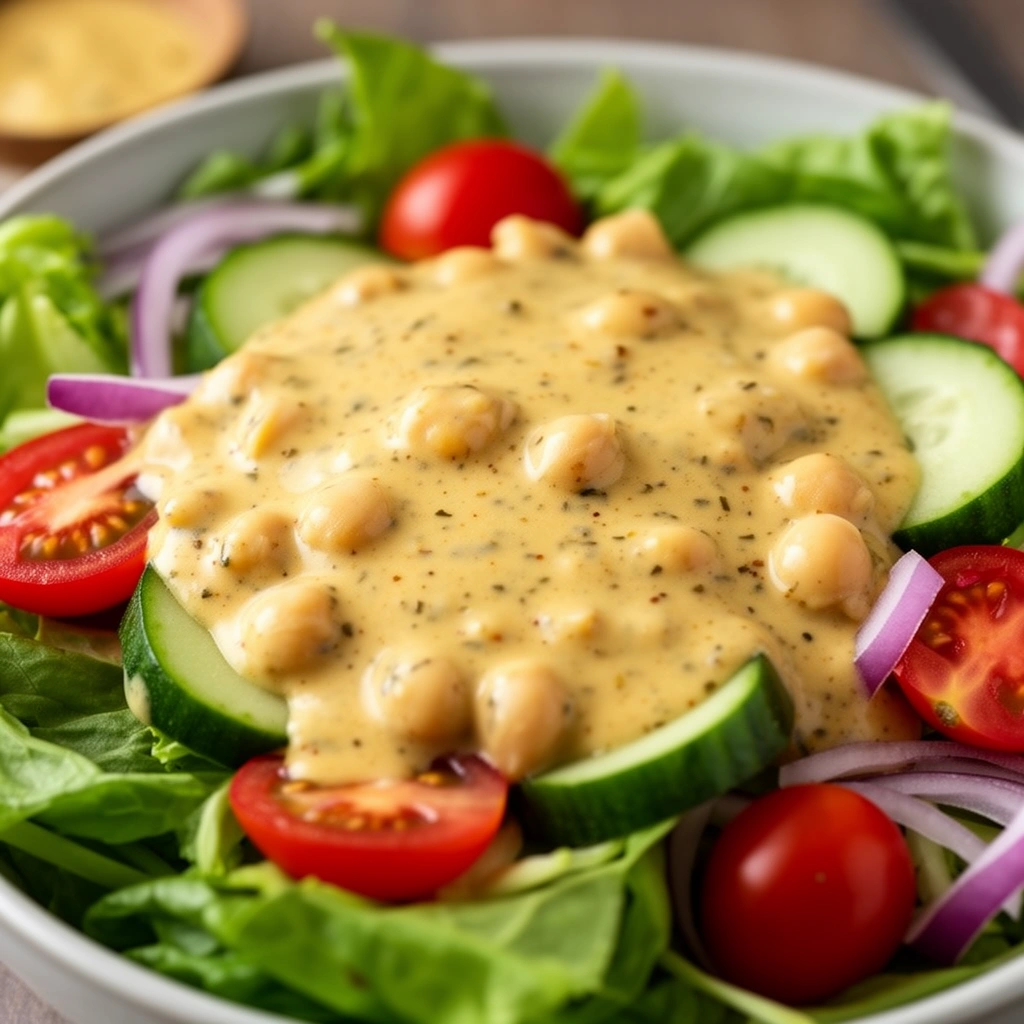
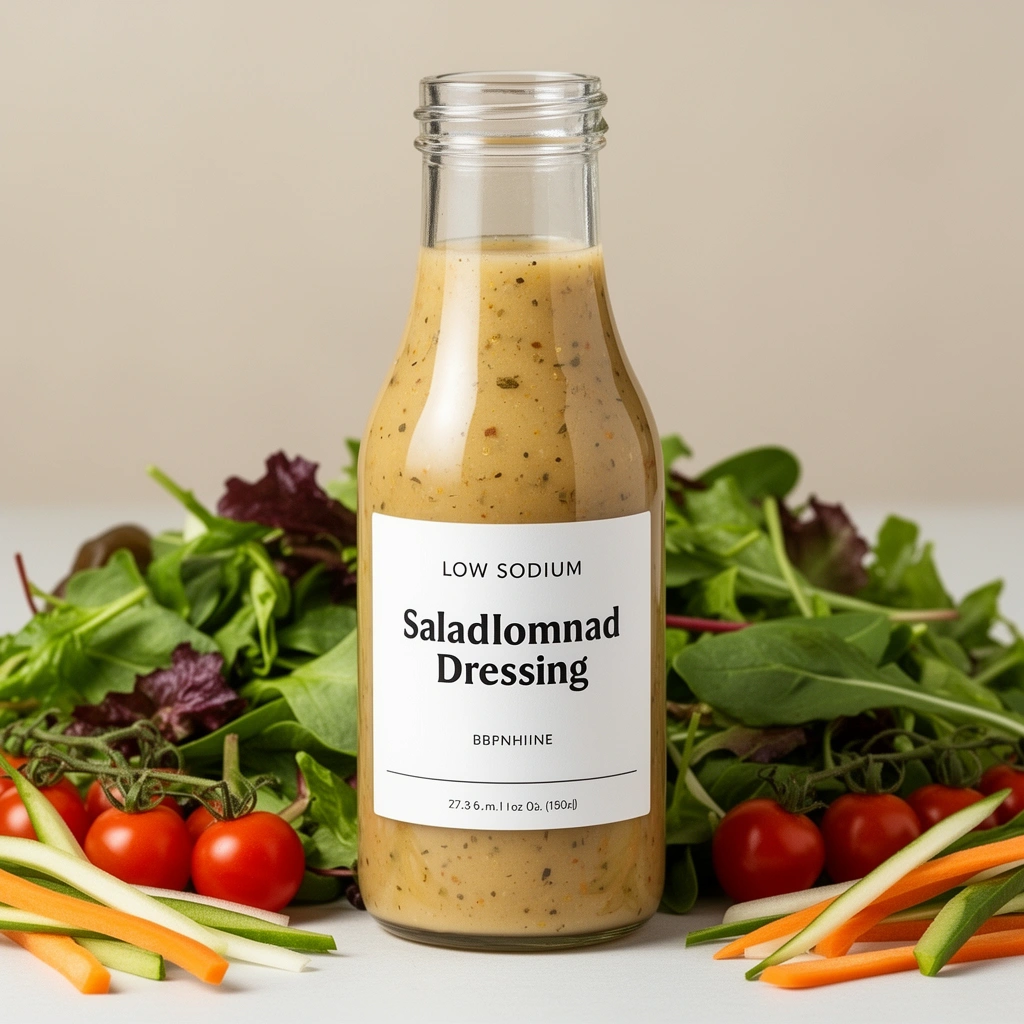
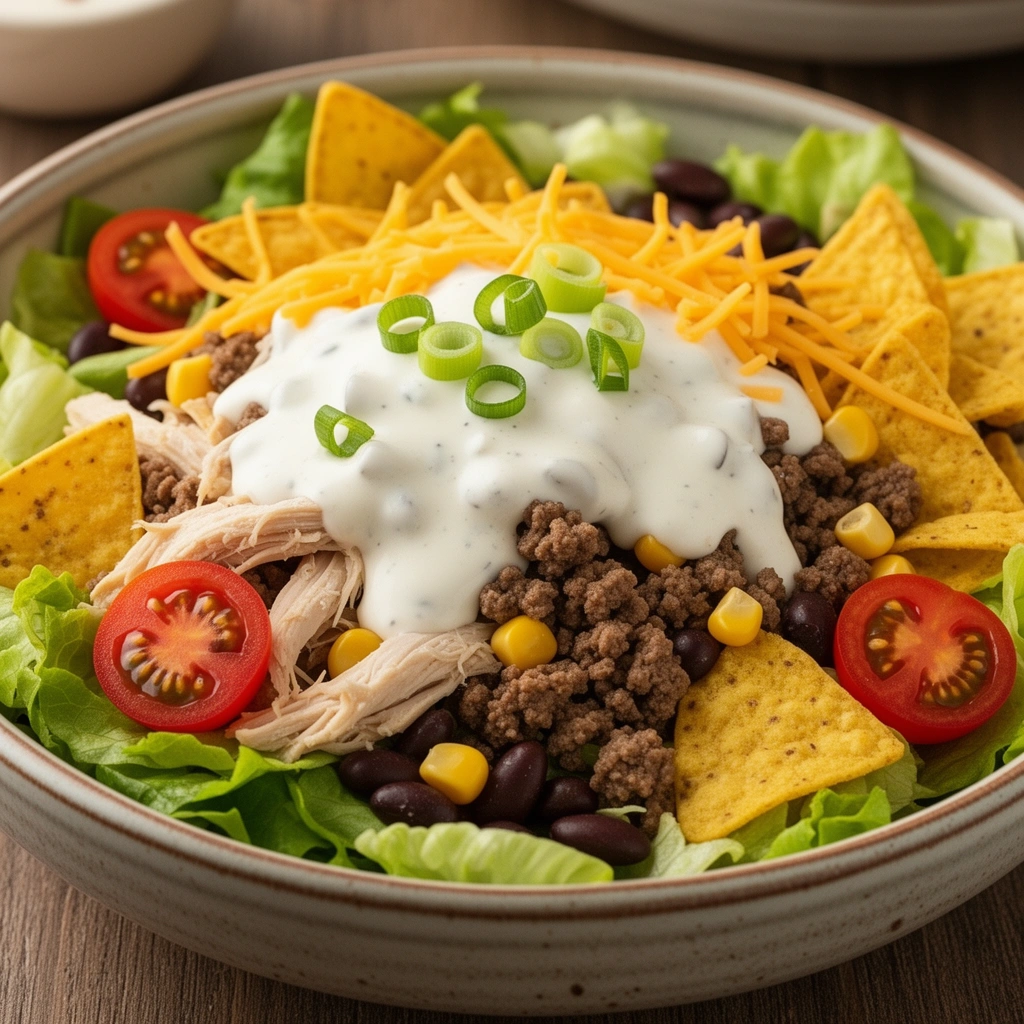
You do not need a pantry full of specialty ingredients to make a great salad dressing. You need four things: mayonnaise, milk, salt, and pepper. That is it. This simple salad dressing takes about 60 seconds to put together, coats greens beautifully, and tastes genuinely good without requiring any technique beyond shaking a jar.
The Recipe: Four Ingredients, One Jar
This recipe could not be more straightforward. You probably have everything you need in your kitchen right now.
Ingredients
- 1/2 cup mayonnaise
- 3 teaspoons milk
- 1/4 teaspoon salt
- 1 pinch ground black pepper
Instructions
- Gather the mayonnaise, milk, salt, and pepper.
- Add all four ingredients to a lidded jar.
- Cover the jar tightly and shake vigorously until everything is well mixed and the dressing looks smooth and uniform.
- Taste and adjust the seasoning before serving. A tiny extra pinch of salt makes a noticeable difference.
That is genuinely the whole recipe. No whisking technique required, no emulsification worries, no blender cleanup. Shake and serve.
One consistency tip: If the dressing looks too thick after shaking, add milk half a teaspoon at a time until it pours easily. Different mayonnaise brands have slightly different thicknesses, so the milk amount may vary slightly batch to batch.
Why This Simple Dressing Actually Works
A lot of people hear “mayonnaise and milk” and raise an eyebrow. Fair reaction. But mayo already contains oil, egg yolk, and a touch of vinegar, which means this dressing has a built-in emulsification and flavor base that you would normally have to construct from scratch.
Mayonnaise acts as both the fat and the binder in this dressing. The milk thins it to a pourable, coat-able consistency. Salt and pepper bring it to life. The result is a creamy, neutral dressing that lets your salad toppings do the talking rather than competing with a bold, assertive flavor.
It also works well as a base. Because the flavor profile is clean and mild, you can customize it in a dozen directions without needing to rebuild from scratch.
Customizing the Base Recipe
The four-ingredient version works on its own, but it also adapts easily to whatever you feel like eating that day. Here are the most useful directions to take it:
Garlic Herb Version
Add 1/4 teaspoon garlic powder, 1/4 teaspoon dried dill, and 1/4 teaspoon dried parsley to the jar before shaking. This turns the basic dressing into something closer to a classic ranch without requiring buttermilk or a long ingredient list.
Lemon Version
Add 1 teaspoon fresh lemon juice and a small pinch of lemon zest. The acid brightens the whole dressing and gives it a fresher, lighter character. This version works especially well over butter lettuce or mixed spring greens.
Honey Mustard Version
Add 1 teaspoon Dijon mustard and 1 teaspoon honey to the jar. Shake well. You get a sweet, tangy dressing that pairs beautifully with apple slices, candied pecans, or roasted chicken.
Spicy Version
Add 1/4 teaspoon hot sauce and a pinch of cayenne pepper. The heat balances well against the creaminess of the mayo and turns this into a solid dip for raw vegetables as well as a salad dressing.
Italian-Style Version
Add 1/4 teaspoon dried oregano, 1/4 teaspoon garlic powder, and 1 teaspoon white wine vinegar. This version leans more acidic and herby, which works well on heartier salads with olives, cherry tomatoes, and red onion.
What Salads Work Best With This Dressing
Because this dressing sits on the mild and creamy end of the spectrum, it pairs best with salads that have some texture and contrast going on. Here are the combinations that work really well:
- Classic garden salads: Romaine, cucumber, cherry tomatoes, and croutons. The dressing coats everything evenly without overpowering any single ingredient.
- Coleslaw: Mix it with shredded cabbage and carrots for a simple, quick coleslaw that does not require a separate recipe.
- Pasta salads: Toss it with cooled pasta, diced vegetables, and a sprinkle of cheese. The mayo base holds the pasta salad together beautifully.
- Potato salad: Use this as your dressing base, add a little mustard and pickle relish, and you have a crowd-pleasing potato salad in minutes.
- Wedge salad: Pour it generously over an iceberg wedge with bacon bits and cherry tomatoes. Simple and genuinely satisfying.
- Grain bowls: Drizzle over farro or quinoa bowls for a creamy, neutral finish that ties everything together.
- Chopped salads: The dressing coats every small piece evenly, which makes it ideal for finely chopped salad combinations.

IMO, the coleslaw application is the most underrated use of this dressing. It comes together faster than any dedicated coleslaw recipe and tastes exactly right.
How to Store Simple Salad Dressing
Because this dressing uses mayonnaise as its base, proper storage matters. Here is what you need to know to keep it fresh and safe.
Refrigerator Storage
- Store the dressing in its lidded jar or another airtight container in the refrigerator immediately after making it.
- It stays fresh for up to 5 days.
- The dressing may thicken slightly after chilling. Give the jar a quick shake before each use to loosen it up, or stir in a few drops of milk if needed.
- Always check the expiration date on your mayonnaise before making a batch. The dressing’s shelf life cannot exceed that of its shortest-lived ingredient.
Keeping It Fresh Longer
- Always use a clean spoon when scooping from the jar. Introducing bacteria shortens shelf life significantly.
- Keep the lid sealed tightly between uses. Exposure to air dries out the surface and accelerates spoilage.
- Store away from the door of the fridge where temperatures fluctuate more. A consistent cold spot in the back of the fridge keeps it fresher longer.
Counter Storage
- Do not leave mayonnaise-based dressing out at room temperature for longer than 1 to 2 hours, especially in warm weather.
- At outdoor gatherings or picnics, keep the dressing in a cooler with ice rather than setting it out on the table for extended periods :/ Warm mayo is a food safety issue, not just a quality one.
Freezing (Not Recommended)
- Skip the freezer completely with this one. Mayonnaise breaks down when frozen and thawed, separating into an oily, watery mess with an unpleasant texture. Since the recipe takes 60 seconds to make, just make a fresh batch.
Simple Salad Dressing vs. Bottled: An Honest Comparison
Is homemade better than bottled? In most cases, yes. Here is a straightforward breakdown:
- Ingredients: Homemade uses four recognizable ingredients. Most bottled creamy dressings contain stabilizers, preservatives, artificial flavors, and sodium levels that climb well past 300mg per serving.
- Cost: This recipe costs almost nothing per batch. Bottled dressings typically run $3 to $5 for 16 ounces, and you often use half the bottle before it goes bad.
- Time: The homemade version takes 60 seconds. Bottled dressing takes zero seconds. That is the one honest advantage in bottled dressing’s corner.
- Freshness: Homemade tastes noticeably fresher. That clean mayo flavor you get from a new batch beats anything that has been sitting in a bottle for weeks.
- Customization: You can adjust this recipe in any direction you want. Bottled dressing gives you whatever the manufacturer decided you should taste.
FYI, the cost difference alone justifies making it at home, especially if you eat salads regularly. A jar of mayonnaise produces a lot of batches.
Common Questions About This Recipe
Can I use plant-based mayonnaise? Yes. Vegan mayo works well in this recipe and produces nearly identical results. The texture and flavor stay close to the original.
Can I use a different milk? Whole milk, 2%, skim, oat milk, and almond milk all work. Whole milk gives a slightly richer result, but the difference is minor. Use whatever you have open.
What if I do not have a lidded jar? Whisk everything together in a small bowl. The jar method is faster and requires less cleanup, but a bowl and a whisk produce the same result.
Can I double the recipe? Absolutely. The ratios scale perfectly. Make a larger batch at the start of the week and use it across multiple meals.
Quick Troubleshooting
The dressing is too thick. Add milk half a teaspoon at a time and shake again until it pours easily. Different mayo brands vary in thickness.
The dressing tastes bland. Add another small pinch of salt and give it another shake. Salt is almost always the answer when something tastes flat.
The dressing separated in the fridge. Shake the jar vigorously for 15 seconds. Mayo-based dressings do not separate the way vinaigrettes do, but slight thickening or surface changes are normal after refrigeration.
Final Thoughts
Simple salad dressing earns its name. Four ingredients, one jar, 60 seconds. It coats greens, doubles as a coleslaw base, works as a pasta salad dressing, and customizes in any direction you want without requiring a complete rebuild.
Start with the base recipe this week. Once you see how well it works, try one of the variations. The garlic herb version for meal prep bowls, the honey mustard for a sweeter salad night, the lemon version when you want something brighter. The formula is flexible and forgiving.
Stop buying bottled dressing for everyday salads. The homemade version costs less, tastes fresher, and takes less time than a trip to the grocery store aisle. Your salads are worth 60 seconds of your time
4
servings2
minutes20
minutes95
kcalIngredients
1/2 cup mayonnaise
3 teaspoons milk
1/4 teaspoon salt
1 pinch ground black pepper
Directions
- Gather the mayonnaise, milk, salt, and pepper.
- Add all four ingredients to a lidded jar.
- Cover the jar tightly and shake vigorously until everything is well mixed and the dressing looks smooth and uniform.
- Taste and adjust the seasoning before serving. Add a tiny extra pinch of salt if needed.
Notes
- If the dressing is too thick, add a little more milk half a teaspoon at a time until it reaches a pourable consistency. Keeps well refrigerated for a few days.

About the author
Written by Arman
Hi, I'm Muhammad Arman, a healthy food expert who is passionate about helping you build a better life through real, nourishing food. I share simple, practical tips and clean recipes because I truly believe that eating well should feel good, not complicated.
Published May 2, 2026 Updated May 8, 2026