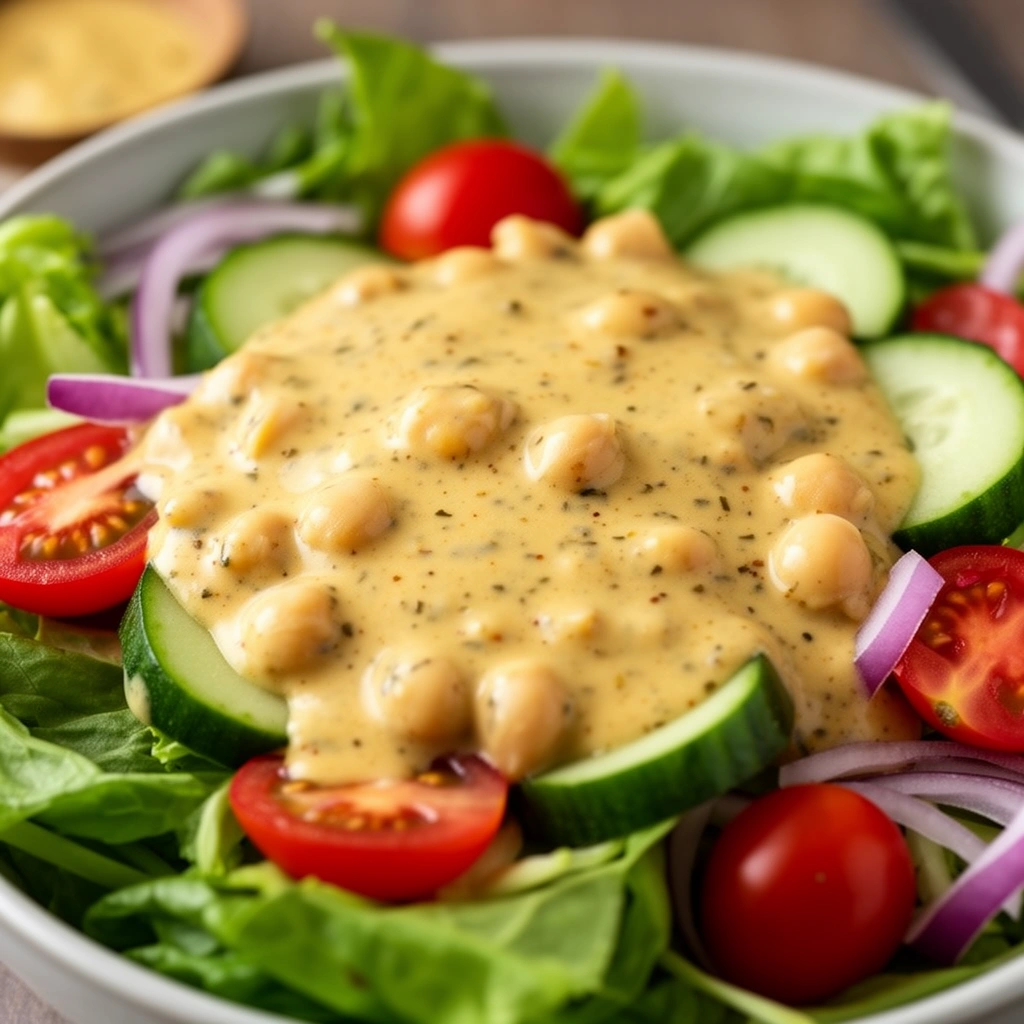
You know that orange-ish, slightly sweet, deeply savory dressing you get at Japanese steakhouses , the one that makes a simple iceberg salad taste like the best thing you’ve eaten all week? That’s ginger dressing, and it’s been living rent-free in my head for years. The good news: you can make it at home with a blender and a handful of everyday ingredients, and it takes about five minutes flat.
What Is Ginger Dressing, Exactly?
Ginger dressing is a Japanese-inspired blended dressing built on a base of fresh vegetables, aromatics, and a savory-sweet combination of soy sauce and vinegar. It originated in Japanese-American restaurant culture and became famous as the house dressing served before meals at teppanyaki and hibachi restaurants across the US.
What makes it different from other Asian-style dressings is the blended vegetables. Carrot and onion don’t just add flavor , they give the dressing its characteristic thick, slightly creamy texture without any dairy at all.
The Ingredients , What Goes In and Why It Matters
The ingredient list looks simple, and it is. But each component plays a specific role that you’ll notice immediately if you leave any of them out.
Full Ingredient List (with measurements)
- 1 medium carrot (peeled and roughly chopped) , adds sweetness and body
- ¼ medium onion (roughly chopped) , provides sharpness and depth
- 1½ inch piece of fresh ginger (peeled) , the star of the show
- 3 tbsp rice vinegar , bright, clean acidity
- 2 tbsp soy sauce , savory umami backbone
- 3 tbsp neutral oil (such as vegetable or canola oil) , rounds out the texture
- 1 tbsp sugar , balances the acidity and saltiness
How to Make Ginger Dressing
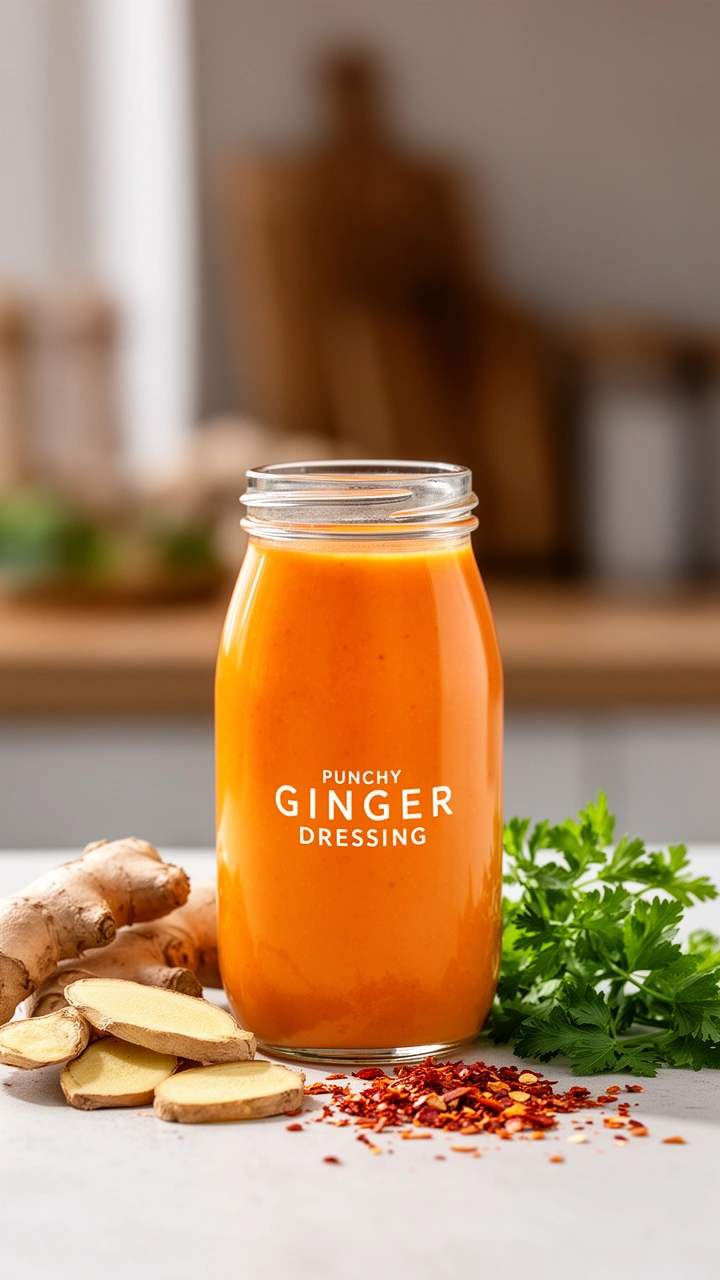
The process couldn’t be simpler. If you can press a blender button, you can make this dressing.
Step-by-Step Instructions
- Peel and roughly chop the carrot and onion into chunks , no need to be precise here since everything blends.
2. Peel the ginger using the edge of a spoon and cut it into a few smaller pieces.
3. Add all ingredients to the blender in this order: carrot, onion, ginger, rice vinegar, soy sauce, oil, and sugar.
4. Blend on high for at least 1 minute, or until the dressing looks completely smooth with no visible chunks.
5. Taste and adjust , more vinegar for acidity, more soy sauce for salt, more sugar to balance.
6. Pour into a covered container and refrigerate for at least 4 hours before serving.
7. Make it the night before for the best flavor , overnight chilling lets everything meld together perfectly.
Why Add Ingredients in That Order?
Putting the vegetables in first means the blender blades have something solid to work against from the start. Adding the liquids on top helps pull everything down into the blade zone. It sounds like a small detail, but it genuinely helps you achieve a smoother result faster without having to stop and scrape down the sides repeatedly.
What to Serve Ginger Dressing On
Ginger dressing pairs well with far more than just a side salad. Here’s where it genuinely earns its place in your fridge.
The Obvious Pairings
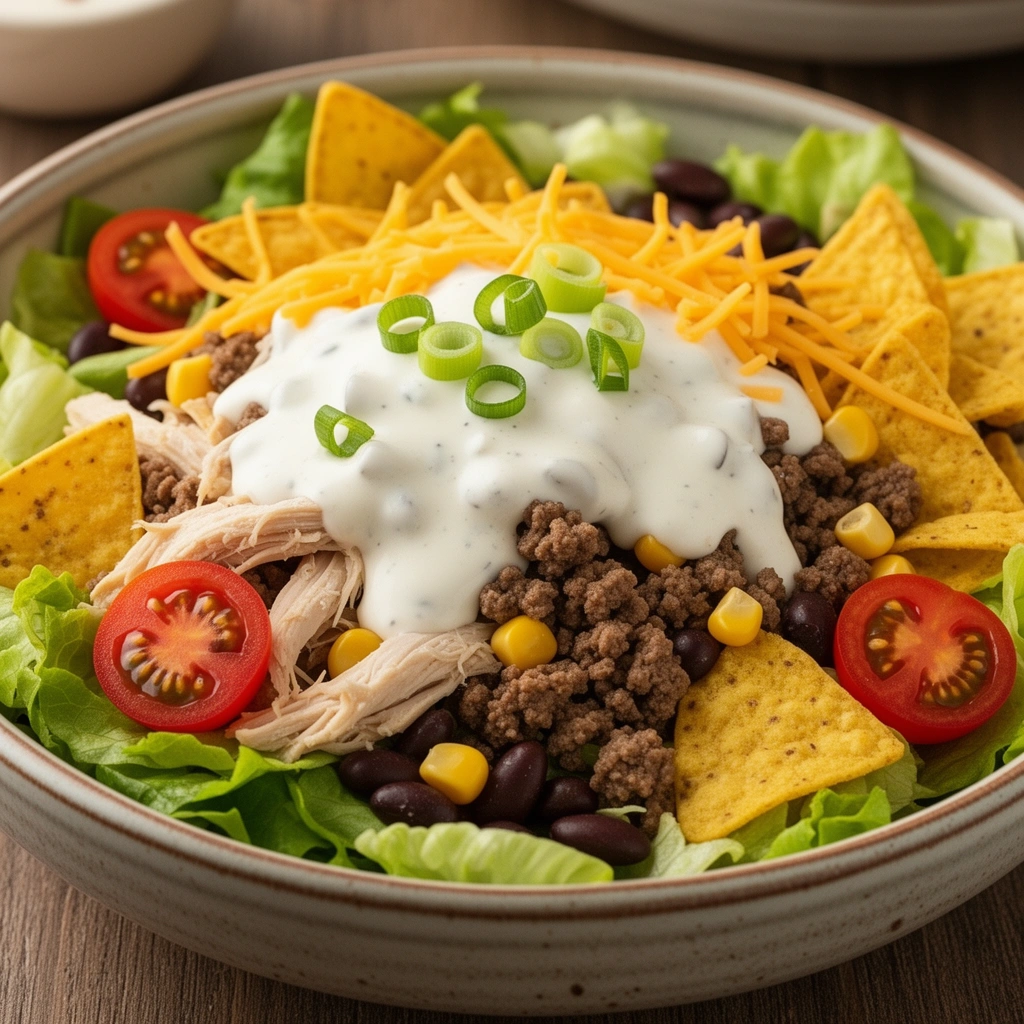
- Iceberg or romaine salad , the classic steakhouse combination that made this dressing famous
- Cucumber salad , thinly sliced cucumbers dressed in this sauce taste clean and incredibly refreshing
- Shredded cabbage slaw , the dressing’s body and sweetness work perfectly against crunchy raw cabbage
- Mixed greens , the bold flavor stands up to peppery greens like rocket or watercress
The Unexpected Uses
- Noodle bowls , toss cold soba or rice noodles with ginger dressing for a quick, satisfying lunch
- Salmon marinade , the soy sauce and ginger combination is a natural match for fish; marinate for 30 minutes before cooking
- Roasted vegetable drizzle , pour over warm roasted broccoli, bok choy, or green beans
- Grain bowl dressing , it works brilliantly over brown rice or quinoa bowls with edamame and avocado
- Dipping sauce , thin slightly with extra rice vinegar and use for spring rolls or gyoza
Homemade vs. Bottled Ginger Dressing
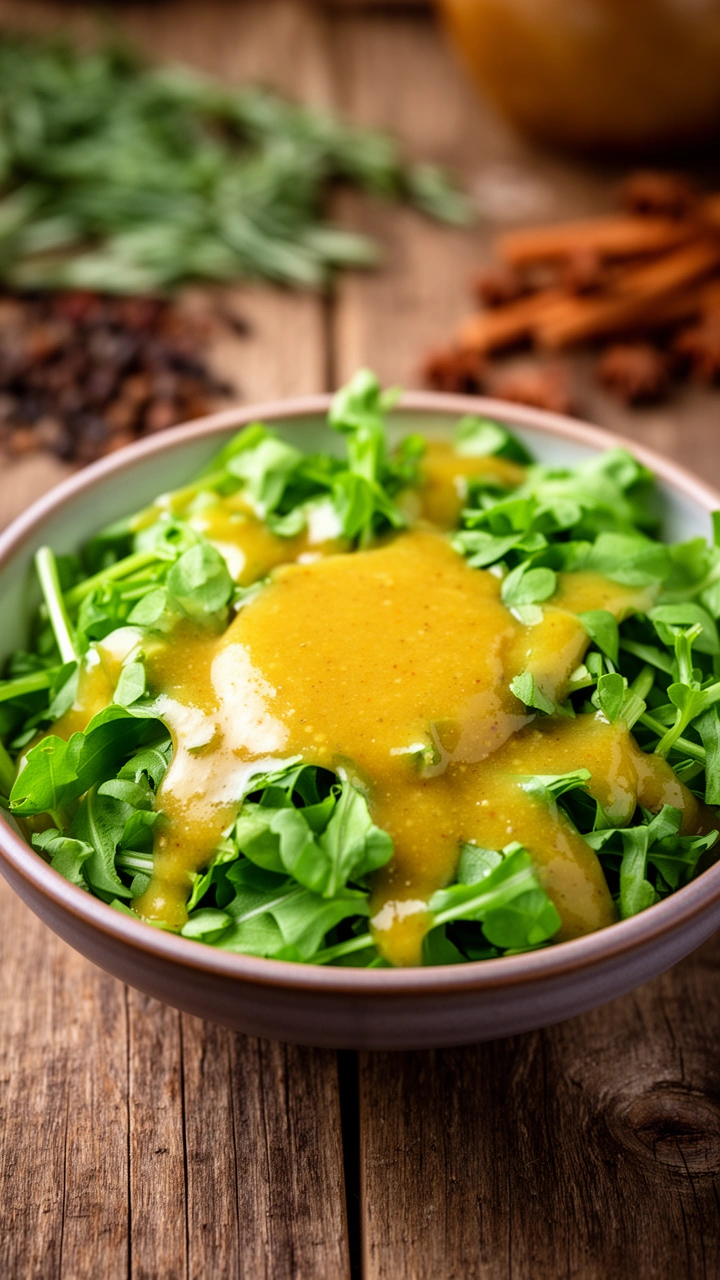
You’ve probably seen bottled ginger dressing at the supermarket. Brands like Makoto and various store-label versions line the shelves, and they’re convenient , but they’re not the same thing.
Where Bottled Falls Short
- Added preservatives alter the flavor and leave an aftertaste that fresh versions don’t have
- Reduced fresh ginger , most commercial versions use ginger extract or powder rather than fresh, which noticeably dulls the heat and brightness
- Higher sugar content , bottled versions often run sweeter than a homemade version, which means the balance tips away from savory
- Thickeners and stabilizers change the texture in ways that feel slightly artificial
Where Homemade Wins Every Time
- You control the ginger intensity , want more heat? Add more. Prefer it mellow? Use less.
- Fresh vegetables give you a vibrancy and color that bottled versions can’t replicate
- No preservatives means a cleaner, fresher flavor in every bite
- Cost , a homemade batch costs a fraction of a premium bottled version and makes more
IMO, the bottled versions are fine in a pinch, but once you’ve made your own you’ll find it hard to go back. The fresh ginger bite alone makes the comparison pretty one-sided.
Variations to Try Once You’ve Nailed the Base
The base recipe is your starting point. These tweaks take it in interesting directions.
Sesame Ginger Dressing
Add 1 tbsp toasted sesame oil and 1 tsp sesame seeds to the blender. The sesame adds a deep, nutty warmth that pairs especially well with noodle bowls and grilled chicken. This is probably my most-used variation , it makes the dressing feel richer and more complex without changing the core flavor profile.
Spicy Ginger Dressing
Add ½ tsp chili garlic sauce or a small piece of fresh red chili to the blender. You get a slow, building heat that layers underneath the ginger’s brightness. This version works brilliantly as a marinade for prawns or as a dipping sauce for dumplings.
Citrus Ginger Dressing
Swap 1 tbsp of the rice vinegar for fresh orange juice. The citrus adds a fruity sweetness that rounds out the sharpness of the vinegar. This variation is particularly good over a salad with sliced mandarin oranges, edamame, and toasted almonds.
Storage , How Long Does It Last?
Store your ginger dressing in an airtight glass jar in the refrigerator. It keeps well for up to one week. The carrot and fresh ginger mean it doesn’t last as long as a purely oil-and-vinegar dressing, so don’t make enormous batches unless you plan to use it frequently.
FYI , natural separation will occur as the dressing sits. Just give the jar a good shake before each use and it comes right back together. If the color has changed significantly or it smells off after a week, make a fresh batch.
Ginger Dressing Belongs in Your Regular Rotation
This dressing earns its place because it delivers something genuinely distinctive , a complex, layered flavor built from carrot, onion, fresh ginger, rice vinegar, soy sauce, oil, and sugar, blended smooth and chilled until everything sings together in harmony.
It’s bold, it’s versatile, and it makes ordinary meals feel a little more special. Blend it up, let it chill overnight, and start putting it on everything. Your salads will thank you, your grain bowls will thank you, and honestly, your salmon will probably thank you too.
6
servings10
minutes4
hours95
kcalIngredients
1 medium carrot, peeled and roughly chopped
1/4 medium onion, roughly chopped
1 1/2-inch piece fresh ginger, peeled
3 tbsp rice vinegar
2 tbsp soy sauce
3 tbsp neutral oil (vegetable or canola)
1 tbsp sugar
Directions
- Peel and roughly chop the carrot and onion into chunks.
- Peel the ginger with the edge of a spoon and cut it into a few smaller pieces.
- Add the carrot, onion, ginger, rice vinegar, soy sauce, oil, and sugar to a blender.
- Blend on high for at least 1 minute, or until completely smooth.
- Taste and adjust with more vinegar, soy sauce, or sugar if needed.
- Pour into a covered container and refrigerate for at least 4 hours before serving; overnight is even better.
Notes
- Store covered in the refrigerator for up to 5 days; shake or stir before serving, and thin with a splash of water if it thickens too much.

About the author
Written by Arman
Hi, I'm Muhammad Arman, a healthy food expert who is passionate about helping you build a better life through real, nourishing food. I share simple, practical tips and clean recipes because I truly believe that eating well should feel good, not complicated.
Published April 25, 2026 Updated May 27, 2026