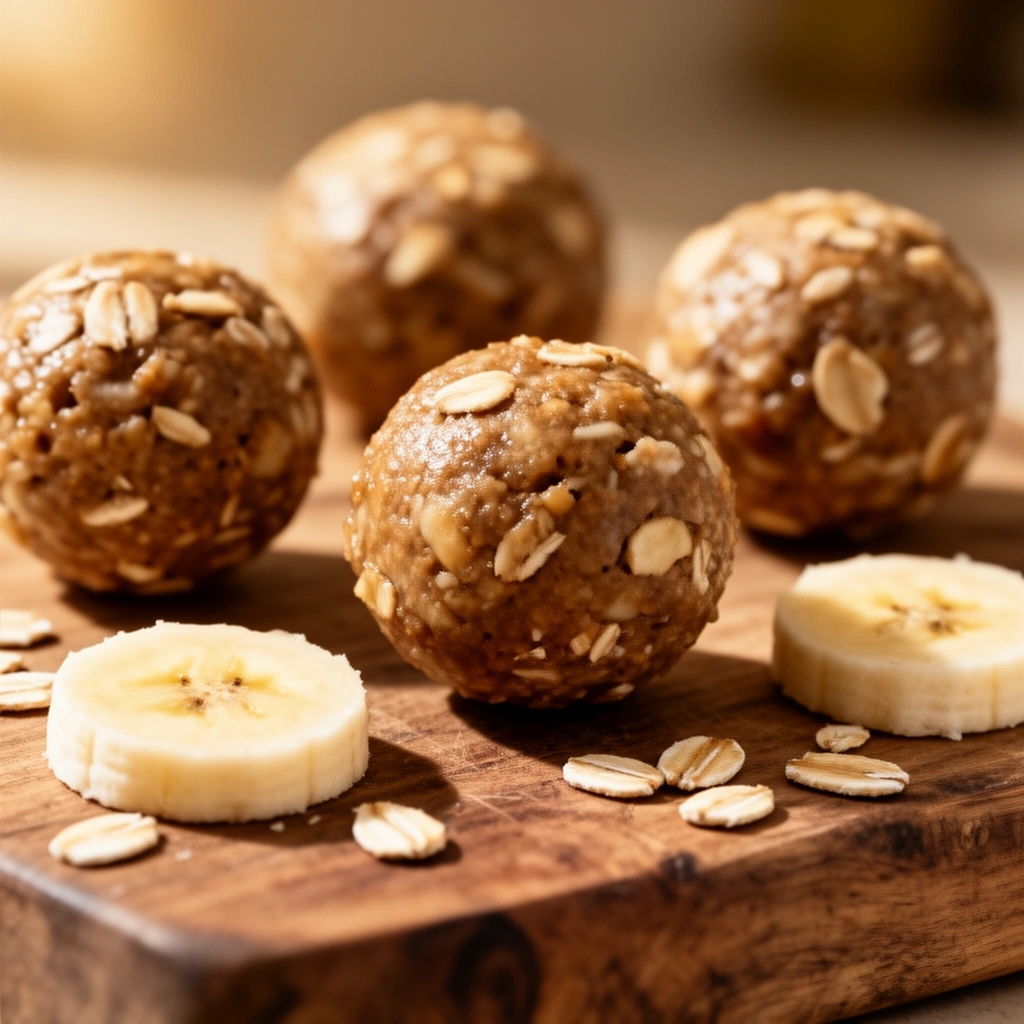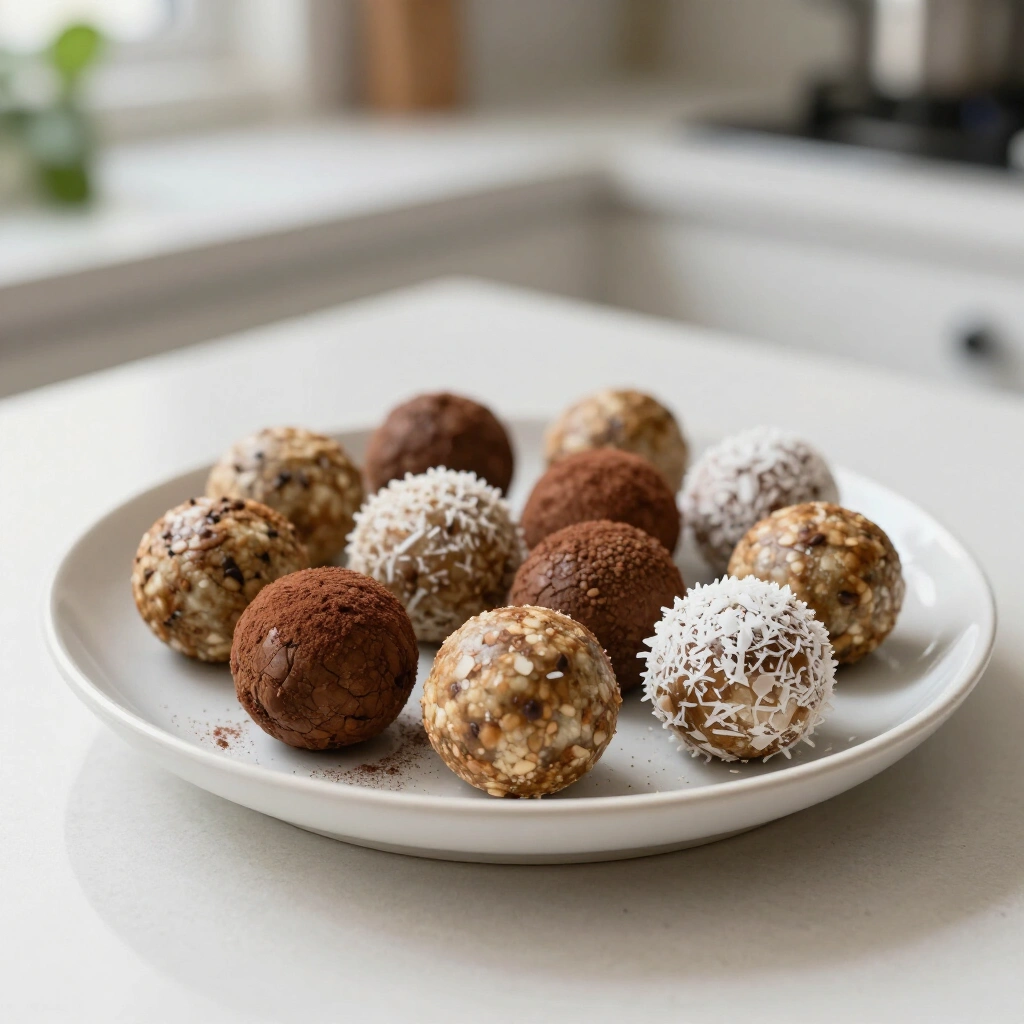

Thirty calories per ball. Four grams of protein. One gram of fat. If someone handed you those numbers without context, you’d probably assume the snack tasted like a sad science experiment. But these low fat protein balls taste like a chocolate dessert and that’s exactly the point. You get to eat something that genuinely satisfies a sweet craving while staying completely on track with your goals. That’s not a compromise. That’s just a smart recipe.
What Makes These Low Fat Protein Balls Different
Most protein ball recipes rely heavily on nut butters, oats, and coconut oil to hold everything together. Those ingredients taste great, but they also bring a significant fat load with them. This recipe takes a completely different approach , it uses Greek yogurt and coconut flour as the base instead, which dramatically cuts the fat without sacrificing the texture or flavour.
The Full Ingredient List
Here’s everything you need to make a batch of these low fat chocolate protein balls:
- 1 cup Greek yogurt , your protein-packed, low-fat base
- 1 tsp vanilla essence , adds warmth and rounds out the chocolate flavour
- A few drops of liquid sweetener , keeps sugar minimal while maintaining sweetness
- 1 serving chocolate whey protein powder , the flavour and protein backbone of the recipe
- 1 tbsp cocoa powder , deepens the chocolate intensity without adding fat
- ¼ cup coconut flour , your binding agent; highly absorbent and low in carbs
- ⅓ of a chocolate flake bar, crumbled , a small hit of real chocolate that makes these feel like a treat
How to Make Low Fat Protein Balls: Step-by-Step
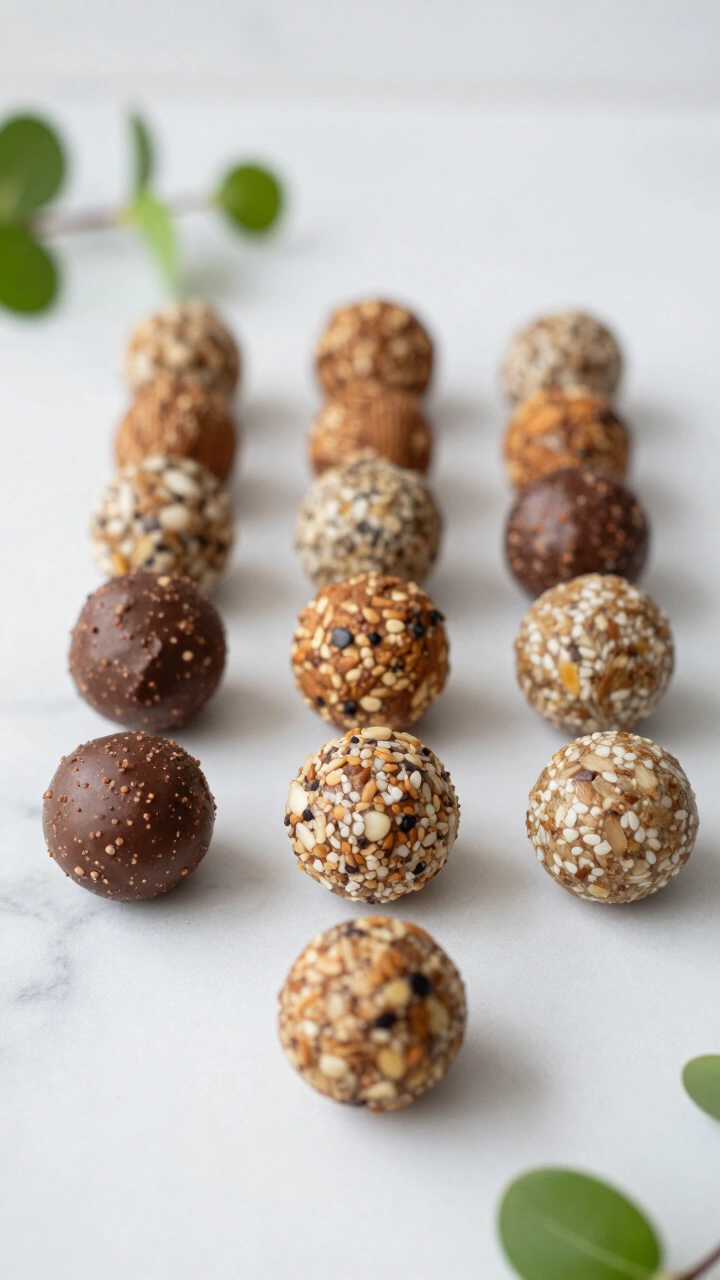
This recipe requires no cooking, just a bowl, a freezer, and a little patience. Here’s the full process:
Step 1: Make Your Yogurt Base
In a mixing bowl, combine your Greek yogurt, vanilla essence, and liquid sweetener. Mix everything together until smooth and uniform. The liquid sweetener keeps the calorie count low while still giving you enough sweetness to make the base enjoyable. Start with 3–4 drops and adjust to taste , everyone’s preference is a little different.
Step 2: Add Your Dry Ingredients
Into the same bowl, add your chocolate whey protein powder, cocoa powder, and coconut flour. Then crumble in ⅓ of a chocolate flake bar. Mix everything together thoroughly until you get a thick, slightly sticky dough.
Here’s an important note about coconut flour: it’s one of the most absorbent flours available, which is exactly why it works so well in low-fat recipes. It soaks up the moisture from the yogurt and creates a firm, workable texture without needing nut butter or oils. Start with the stated amount and add a tiny extra pinch if the dough still feels too wet after mixing.
Step 3: Freeze Before Rolling
This step is what makes the recipe work. Instead of rolling the dough immediately, spoon equal portions onto a plate and place in the freezer for about an hour. This firms up the mixture significantly and makes rolling much easier and cleaner.
After freezing, remove the portions and roll each one firmly between your palms into a ball shape. Work quickly , the mixture softens fast once it warms up in your hands.
Step 4: Store in the Freezer
Once rolled, transfer your low fat protein balls into an airtight container and store in the freezer. They stay fresh for up to four weeks frozen. Take out a ball or two whenever you need a snack , they’re good to eat straight from frozen or after a few minutes at room temperature.
Macros Per Ball: Breaking Down the Numbers
This is where things get genuinely impressive. Here’s what you get per ball:
| Macro | Amount Per Ball |
|---|---|
| Calories | 30 kcal |
| Protein | 4g |
| Carbohydrates | 4g |
| Fat | 1g |
FYI, that macro profile is almost unheard of for a snack that actually tastes good. Most protein bars sit at 200+ calories and 8–12g of fat per serving. These give you real protein at a fraction of the calorie cost.
If you eat three balls as a snack, you’re looking at just 90 calories and 12g of protein , which is a legitimate protein hit for a mid-afternoon snack without touching your daily fat budget at all.
Why Greek Yogurt Works Better Than Nut Butter Here
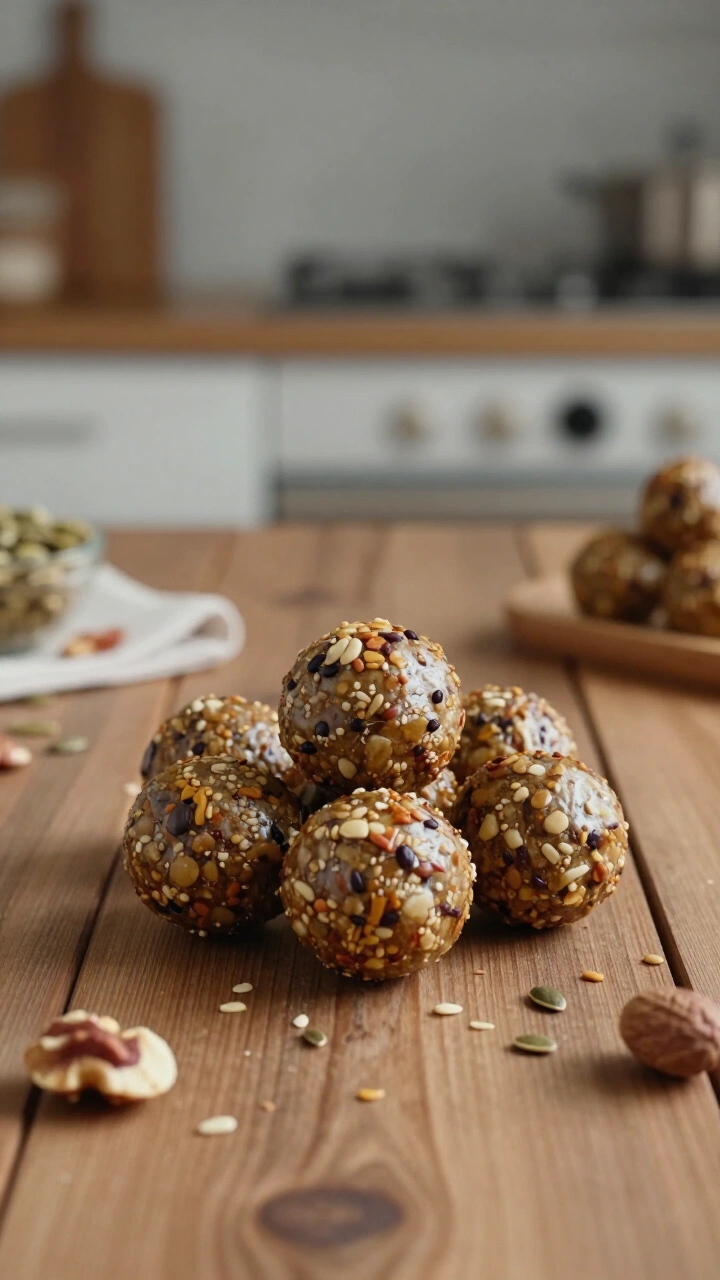
This is the key insight behind the whole recipe, so it’s worth understanding properly.
Nut butter is a fantastic ingredient , but a two-tablespoon serving carries around 16g of fat and 190 calories. When you’re trying to build a genuinely low-fat protein snack, that fat content works against you before you’ve even added anything else.
Greek yogurt gives you a creamy, smooth texture and a solid protein hit at a fraction of the fat. A full cup of low-fat Greek yogurt contains around 20g of protein and typically just 3–5g of fat total. It also has a mild, neutral flavour that lets the chocolate from the protein powder and cocoa take centre stage.
The trade-off is that yogurt-based balls need the freezer to hold their shape, whereas nut-butter balls firm up in the fridge. That’s a minor inconvenience for a recipe this macro-friendly.
Choosing the Right Protein Powder for This Recipe
The protein powder you choose matters here, both for flavour and texture. A chocolate whey protein isolate works best because:
- It mixes smoothly into the yogurt base without lumps
- Isolate varieties tend to be lower in fat and carbs than concentrate blends
- The chocolate flavour amplifies the cocoa without needing extra sugar
Whey isolate specifically is one of the leanest protein sources available, typically delivering 25g+ of protein per serving with minimal fat and carbs. That’s what makes the macro profile of these balls so impressive , the protein powder is doing a lot of the nutritional work.
If you prefer a dairy-free option, a chocolate pea protein or rice protein blend also works well in this recipe. The texture may be slightly different, but the result is still very good.
The Role of Coconut Flour in Low Fat Baking
Coconut flour deserves its own mention because it’s genuinely one of the most useful ingredients in low-fat cooking. Here’s why it works so well:
- It absorbs 4–6 times more liquid than regular flour, so a small amount goes a long way
- It’s high in fibre , around 5g per two tablespoons , which helps with satiety
- It’s naturally lower in carbs than wheat or oat flour
- It adds a very faint, pleasant sweetness that complements chocolate perfectly
The key to using coconut flour successfully is not overadding it. Because it absorbs so much liquid, too much will make your mixture dry and crumbly. Stick to the ¼ cup stated in the recipe, mix well, and let it sit for a minute before judging the consistency , it continues absorbing moisture as it rests.
Who These Low Fat Protein Balls Work Best For
These balls suit a wide range of goals and lifestyles:
- Cutting or fat loss phases , extremely low fat and calorie content fits tight macros easily
- High-volume eating , you can eat 5–6 balls for 150 calories and 20g of protein, which feels like a lot of food
- Post-workout snacking , quick protein hit without a heavy fat load slowing digestion
- Calorie counting , at 30 calories each, these are genuinely easy to track and fit anywhere
- Sweet tooth management , the chocolate flavour satisfies cravings without derailing your diet
IMO, they’re particularly valuable during a fat-loss phase when you want to snack without stress. Knowing each ball is exactly 30 calories and 4g of protein makes tracking effortless.
Thirty Calories Has Never Tasted This Good
Low fat protein balls with this kind of macro profile genuinely change how you think about snacking on a calorie deficit. You don’t have to choose between eating something satisfying and staying on track , this recipe proves that clearly.
Make a batch, freeze them, and enjoy knowing you have a chocolate snack ready to go that costs you almost nothing calorically. Once you see how easy and satisfying these are, store-bought protein bars are going to feel very overpriced and over-complicated by comparison.
12
servings15
minutes1
hour30
kcalIngredients
1 cup Greek yogurt
1 tsp vanilla essence
A few drops liquid sweetener, to taste
1 serving chocolate whey protein powder
1 tbsp cocoa powder
1/4 cup coconut flour
1/3 chocolate flake bar, crumbled
Directions
- In a mixing bowl, combine the Greek yogurt, vanilla essence, and liquid sweetener until smooth and uniform.
- Add the chocolate whey protein powder, cocoa powder, and coconut flour, then crumble in the chocolate flake bar and mix until a thick, slightly sticky dough forms.
- If the mixture seems too wet, add a tiny extra pinch of coconut flour.
- Spoon equal portions onto a plate and freeze for about 1 hour, until firm enough to roll.
- Remove the portions and quickly roll them between your palms into balls.
- Transfer the protein balls to an airtight container and store in the freezer until ready to eat.
Notes
- Store in the freezer for up to 4 weeks. Let them sit a few minutes at room temperature if you prefer a softer texture.

About the author
Written by Arman
Hi, I'm Muhammad Arman, a healthy food expert who is passionate about helping you build a better life through real, nourishing food. I share simple, practical tips and clean recipes because I truly believe that eating well should feel good, not complicated.
Published April 20, 2026 Updated June 1, 2026