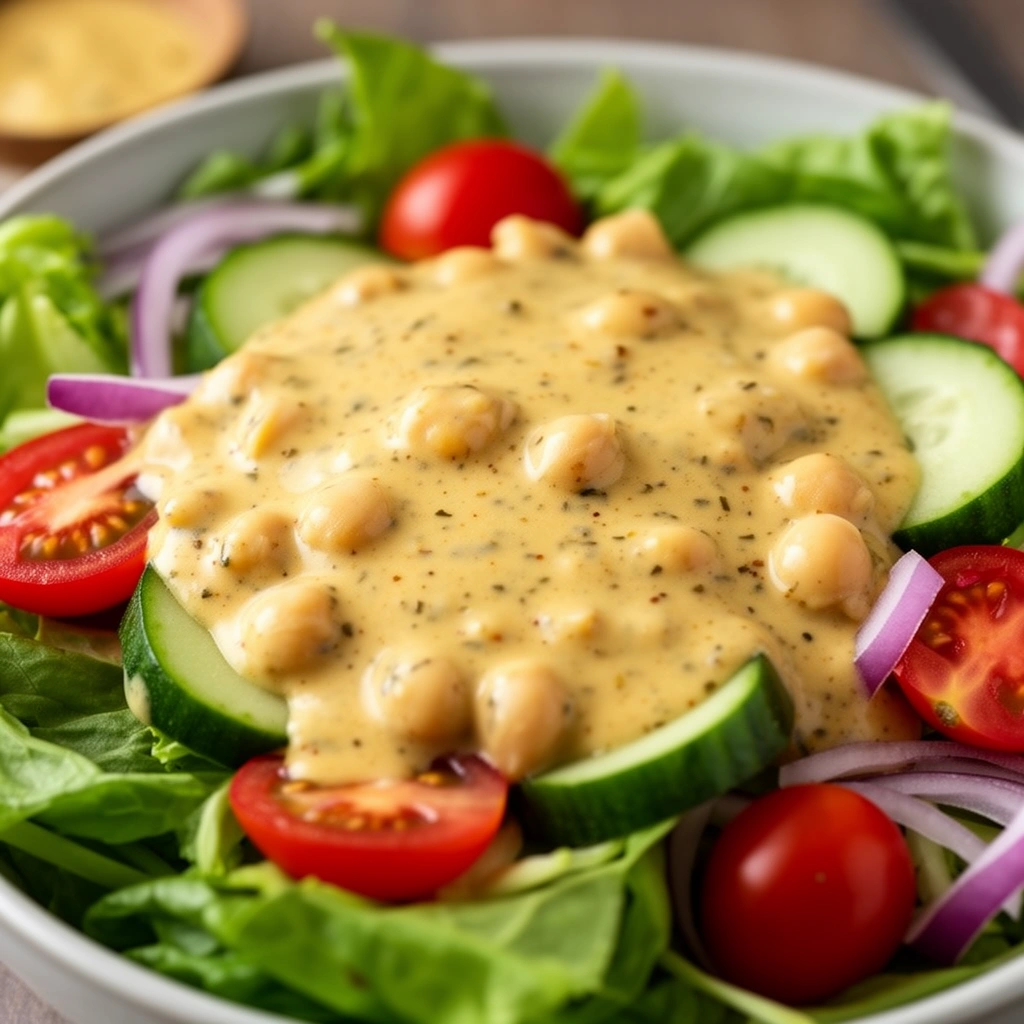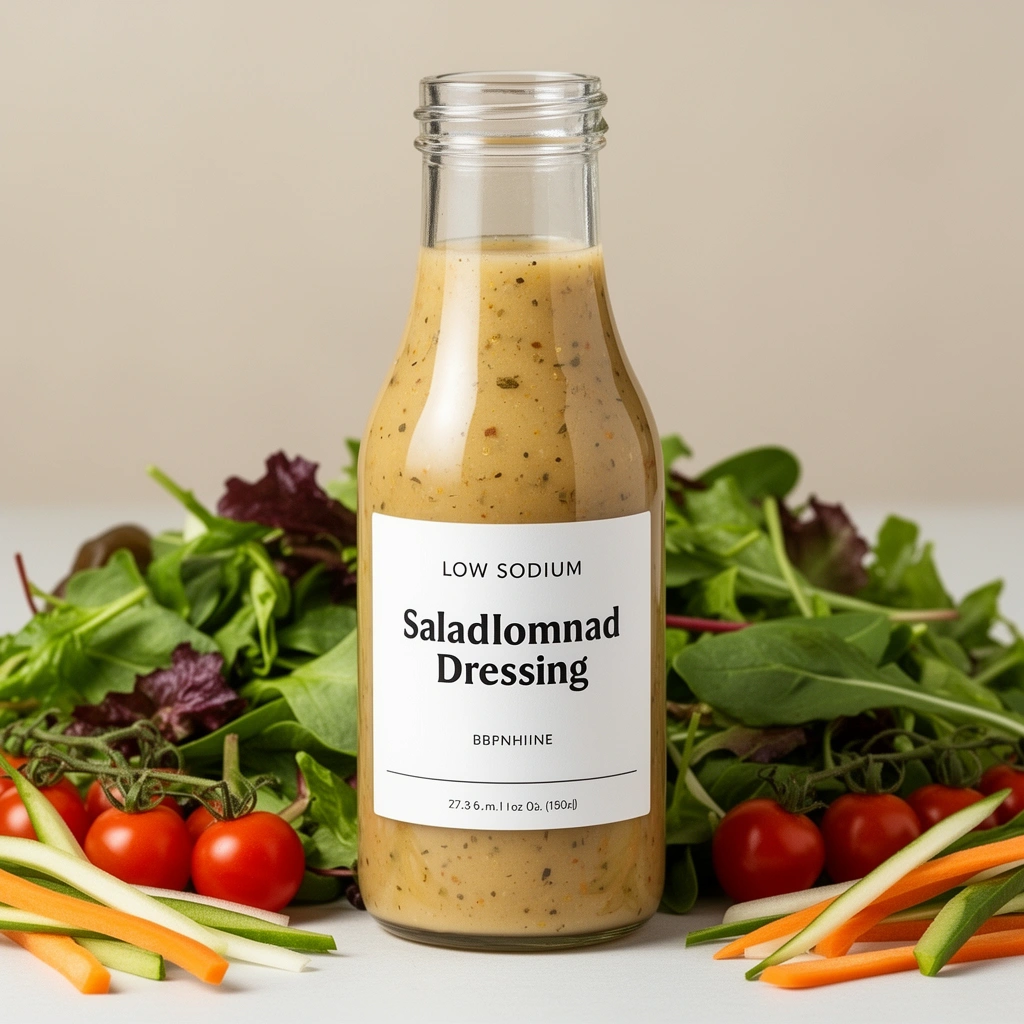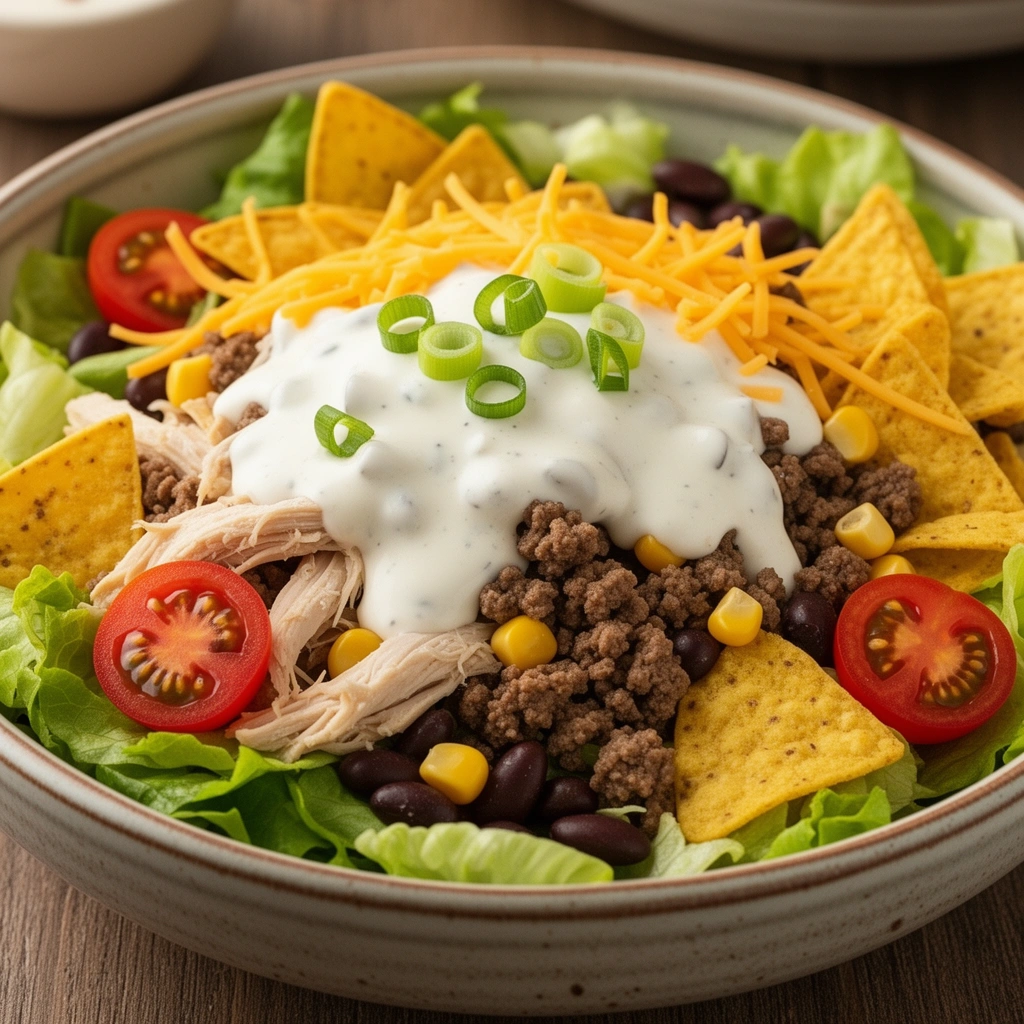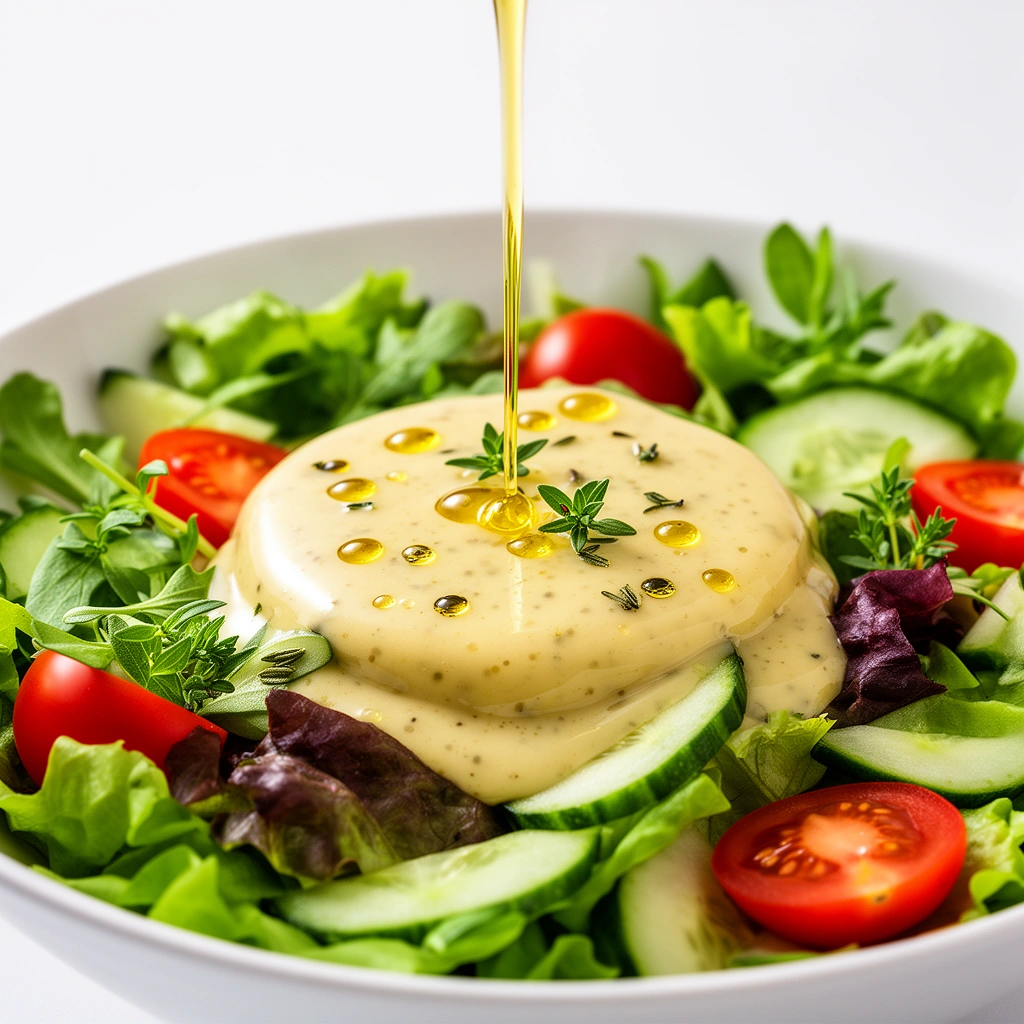

Ever feel like salad dressings are just too heavy, too oily, or packed with hidden calories? Yeah, me too. Luckily, you don’t have to sacrifice flavor just to keep your calorie count in check. Enter low calorie salad dressing, the secret weapon that keeps your salads tasty, light, and guilt-free. Whether you want to shed a few pounds or just eat cleaner, I’ve got you covered with some simple, delicious, and healthy dressing ideas. So, grab your whisk and let’s get dressing!
Why Choose Low Calorie Salad Dressing?
Before we dive into recipes, let’s talk about why you should care about keeping your salad dressing light. FYI, most store-bought dressings hide a lot of sneaky calories, added sugars, and preservatives. Not exactly what you want if you’re aiming for a healthier lifestyle.
Here’s the deal:
- Less oil, more flavor: You can enjoy the richness of a good dressing without the calorie overload.
- Control your ingredients: Making your own dressing means you know exactly what’s going in.
- Boost your veggies: A tasty, light dressing encourages you to eat more greens, which is always a win.
- Save money: Homemade dressings are budget-friendly and last for a while.
Basic Ingredients for a Low Cal Salad Dressing
Creating your own low-calorie dressing is easier than you think. Here’s what you’ll need:
- Vinegar (apple cider, balsamic, red wine vinegar) – 2 tablespoons
- Lemon juice (fresh squeezed) – 2 tablespoons
- Mustard (Dijon or yellow) – 1 teaspoon
- Low-sodium soy sauce (optional) – 1 teaspoon
- Honey or maple syrup (for a touch of sweetness) – 1 teaspoon
- Olive oil (just a splash, about 1 teaspoon) – optional if you want to keep it super light
- Salt and pepper – to taste
- Herbs and spices (garlic powder, oregano, basil, etc.) – for flavor
Pro tip: Use fresh herbs whenever possible. They add flavor without any extra calories.
How to Make Your Low Calorie Salad Dressing
No rocket science here, just a quick whisk, shake, or blend. Here’s my go-to method:
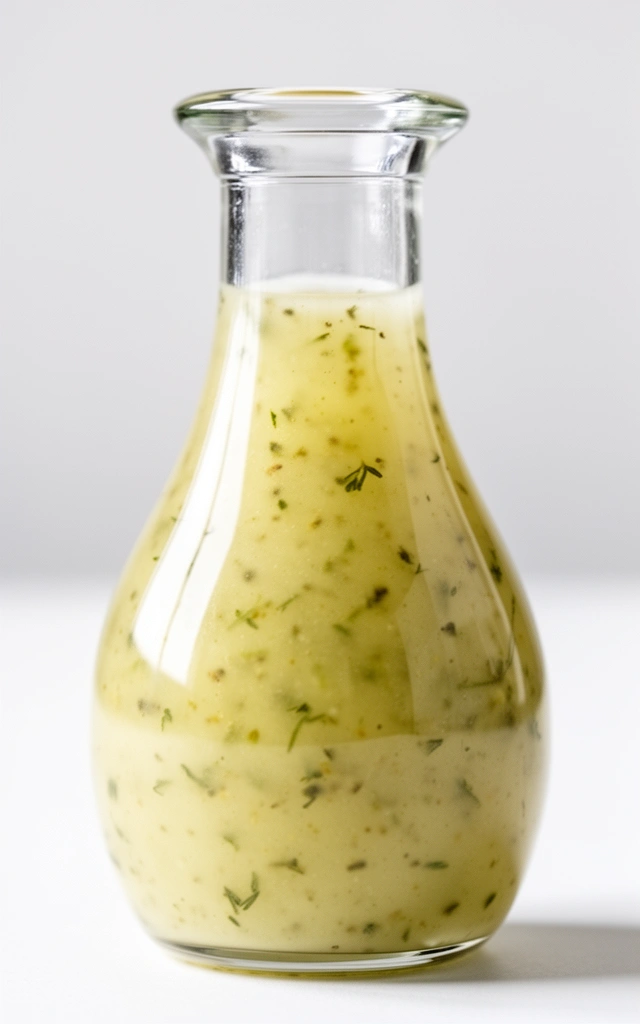
Step 1: Mix the acids
In a small bowl or jar, combine vinegar and lemon juice. These are your flavor bases and help brighten up any salad.
Step 2: Add flavor boosters
Stir in mustard and honey or maple syrup. These ingredients bring depth and a hint of sweetness to balance the acidity.
Step 3: Incorporate herbs and spices
Sprinkle in garlic powder, oregano, basil, or whatever herbs you prefer. This is where you can customize your dressing to match your salad theme.
Step 4: Optional oil
Add just 1 teaspoon of olive oil if you desire a richer texture. Remember, every teaspoon adds about 40 calories, so skip it if you want to keep it ultra-light.
Step 5: Shake or whisk
Mix everything thoroughly. If using a jar, screw the lid on tight and shake vigorously. If you prefer, whisk in a bowl for a smoother consistency.
Step 6: Taste and adjust
Taste your creation and tweak seasonings as needed. More lemon for tang, more honey for sweetness, or extra herbs for flavor.
Creative Variations for Your Low Cal Salad Dressing
Feeling adventurous? Here are some ideas to keep things interesting:
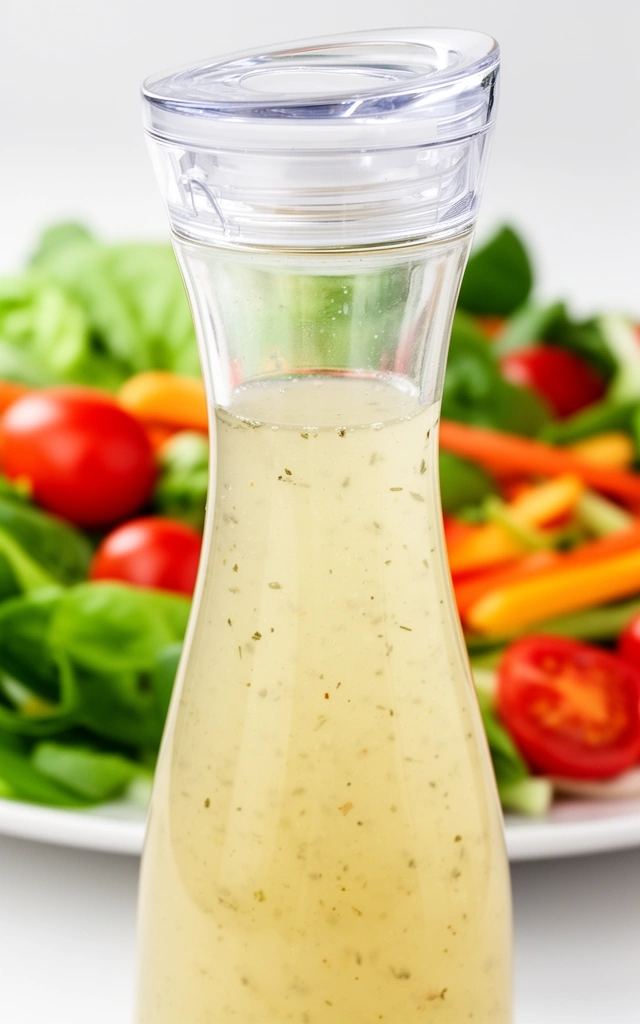
- Balsamic and Strawberry: Mash a few strawberries into balsamic vinegar for a fruity twist.
- Cilantro Lime: Add chopped cilantro and extra lime juice for a fresh, zesty kick.
- Ginger Sesame: Mix rice vinegar, grated ginger, and a splash of soy sauce.
- Yogurt-Based: Use plain Greek yogurt as a creamy, protein-rich base with lemon and herbs.
Storing Your Homemade Low Calorie Salad Dressing
Once you’ve nailed your perfect recipe, you’ll want to store it properly so it stays fresh and tasty.
Storage tips:
- Use a clean jar or airtight container: Glass jars with a tight lid are perfect.
- Keep it refrigerated: Most homemade dressings last about 1 to 2 weeks in the fridge.
- Shake before use: Separation is normal, so give it a quick shake or stir.
- Label it: Write the date on the jar so you know when to toss it.
Bonus: If you notice a strange smell or mold, toss it out. Better safe than sorry!
Why Homemade Is Better Than Store-Bought
I’ll admit, store-bought dressings are convenient. But, IMO, they’re often loaded with added sugars, preservatives, and excess oil. Plus, they tend to be pricier and less customizable.
Homemade dressing advantages:
- Control over ingredients: No hidden sugars or unhealthy fats.
- Customizable flavors: Make it sweet, tangy, or spicy, your call.
- Cost-effective: Use pantry staples to whip up a batch.
- Freshness: Nothing beats the taste of fresh, homemade.
Quick Tips for Perfect Low Cal Salad Dressings
- Start small: Make small batches until you find your favorite flavor combo.
- Adjust acidity: More vinegar or lemon for tang, less for milder taste.
- Sweeten wisely: Use just a teaspoon of honey or maple syrup to avoid adding unnecessary calories.
- Experiment with herbs: Fresh herbs elevate flavor without extra calories.
- Don’t overdo the oil: A little goes a long way, and it keeps the calorie count down.
Wrap Up: Your New Salad Sidekick
Low calorie salad dressings are a game-changer. They let you enjoy your greens without the guilt or extra calories. Plus, they’re super versatile, change up the flavors, tweak the ingredients, and find what suits your taste buds best.
Honestly, once you start making your own, store-bought dressings will seem so boring. Plus, you’ll know exactly what’s going into your body. Win-win! So next time you’re craving a fresh salad, skip the heavy dressings and whip up your own light, zingy creation. Your taste buds, and your waistline, will thank you.
Final Thought
Remember, the best dressing is the one you love and makes you want to eat more greens. So, don’t be shy, get creative and enjoy healthy eating without sacrificing flavor. Happy dressing! 😊
4
servings5
minutes5
minutes25
kcalIngredients
2 tablespoons vinegar (apple cider, balsamic, or red wine)
2 tablespoons fresh lemon juice
1 teaspoon Dijon or yellow mustard
1 teaspoon honey or maple syrup
1 teaspoon low-sodium soy sauce (optional)
1 teaspoon olive oil (optional)
Salt and pepper to taste
Garlic powder, oregano, basil, or other herbs and spices to taste
Directions
- In a small bowl or jar, combine vinegar and lemon juice.
- Stir in mustard and honey or maple syrup.
- Sprinkle in garlic powder, oregano, basil, or your preferred herbs and spices.
- Add 1 teaspoon of olive oil if desired for a richer texture.
- Shake vigorously in a jar or whisk thoroughly in a bowl until well combined.
- Taste and adjust seasonings — add more lemon for tang, more honey for sweetness, or extra herbs for flavor.
Notes
- Store in a clean airtight glass jar in the refrigerator for up to 1-2 weeks. Shake well before each use as separation is normal. For variations, try mashing strawberries into balsamic vinegar, adding cilantro and lime, or using Greek yogurt as a creamy base.

About the author
Written by Arman
Hi, I'm Muhammad Arman, a healthy food expert who is passionate about helping you build a better life through real, nourishing food. I share simple, practical tips and clean recipes because I truly believe that eating well should feel good, not complicated.
Published May 18, 2026 Updated June 1, 2026