Delicious Barley Porridge
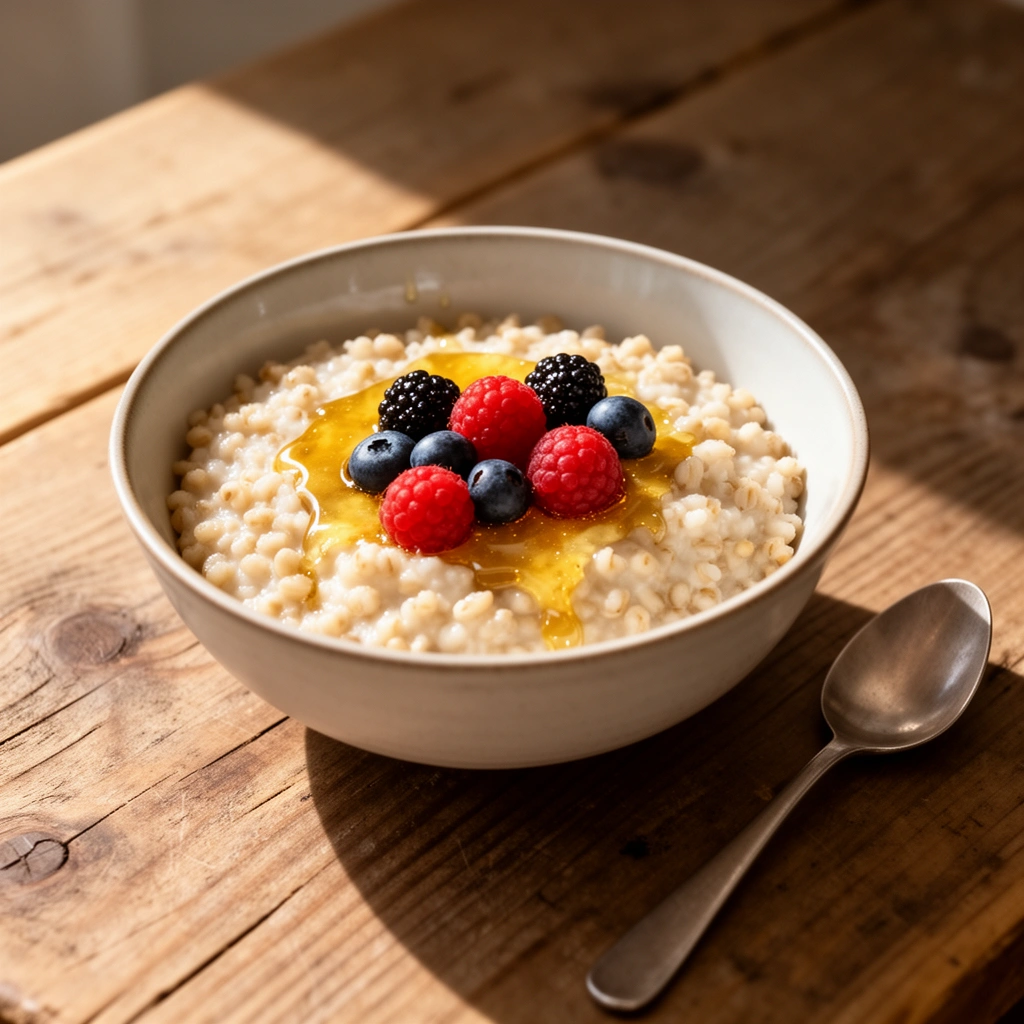
You’ve had oat porridge. You’ve probably had rice porridge. But have you made barley porridge? Because if not, you’re genuinely leaving one of the most nutritious, most underrated breakfast bowls off your table and that’s a situation we need to fix right now.
What Is Barley Porridge and Why Should You Care?
Barley porridge is exactly what it sounds like , a warm, cooked porridge made using barley, either in whole grain, pearl, or flour form. This recipe uses barley flour, which makes the process faster and gives you a smoother, creamier texture than cooking whole grains would.
The Ingredients You Need (And Why Each One Earns Its Place)
This recipe keeps things beautifully simple. Here’s what you’ll need for one serving:
- 2 tbsp barley flour , the base of the whole bowl
- 1.5 cups milk , whole milk works best for creaminess, but any milk works
- ⅛ to ¼ tsp cinnamon powder , start small and adjust to your taste
- Honey , for drizzling at the end
- Pistachios , for crunch and a nutty finish
- Chopped dates , for natural sweetness and chewy texture
- Extra cinnamon powder , optional, for garnish
How to Make Barley Porridge: Step-by-Step

Step 1: Dry Roast the Barley Flour First
Place a pan over low heat and add your 2 tbsp of barley flour directly , no oil, no butter, nothing else. Stir it continuously for a couple of minutes until it turns slightly golden and smells nutty and fragrant.
This step is the one most people skip, and it’s genuinely the most important part. Dry roasting activates the natural nutty flavour of the barley and removes any raw, starchy taste. Don’t rush it and don’t crank the heat , low and slow is the move here.
Step 2: Add the Milk and Cinnamon
Pour in 1.5 cups of milk gradually while stirring constantly , add it in a steady stream rather than all at once to prevent lumps from forming. Then add ⅛ to ¼ tsp of cinnamon powder and keep stirring.
Maintain a gentle, steady heat as the mixture comes together. You’re not looking for a rolling boil , just a consistent simmer that allows the barley flour to fully hydrate and thicken.
Step 3: Stir Until It Thickens
Keep stirring. This is not the moment to walk away and check your phone. Continuous stirring prevents lumps and ensures even cooking. Within a few minutes, you’ll notice the mixture thickening from a liquid into something that coats the back of your spoon.
Once it reaches that thick, porridge-like consistency , creamy, smooth, and holding its shape , take it off the heat. It will continue to thicken slightly as it cools.
Step 4: Transfer and Top
Pour the porridge into a bowl and immediately add your toppings:
- A generous drizzle of honey , don’t be shy
- A handful of pistachios , roughly chopped or left whole
- Chopped dates , scatter them across the top
- A dusting of cinnamon powder , if you want that extra warmth and visual finish
Eat it while it’s hot. The contrast between the warm, creamy porridge and the crunch of pistachios is genuinely one of the best textures in breakfast food.
Why the Toppings on This Bowl Actually Matter
Honey: More Than Just Sweetness
Raw honey adds sweetness, but it also brings floral complexity that refined sugar simply can’t replicate. It pairs beautifully with the nutty barley and the warm spice of cinnamon. Use a good quality honey here , you’ll taste the difference.
Pistachios: The Crunch Factor
Barley porridge is creamy and smooth, which means it needs textural contrast. Pistachios deliver that crunch while also adding healthy fats, protein, and a slightly sweet, buttery flavour that complements everything else in the bowl. Walnuts or almonds work too, but pistachios are my personal favourite for this combination. 🙂
Dates: Nature’s Candy
Chopped dates add natural caramel-like sweetness and a chewy bite that makes every spoonful more interesting. They’re also rich in fibre and natural sugars that give you a gentle energy boost without the crash. If you’ve never added dates to porridge before, prepare to be pleasantly surprised.
Cinnamon: The Underrated Hero
Cinnamon powder does more than just taste good. It helps regulate blood sugar levels , which is particularly useful when you’re eating a grain-based meal first thing in the morning. Use between ⅛ and ¼ tsp depending on how much warmth you want. Start at the lower end; you can always add more.
The Nutritional Case for Barley Porridge

Let’s talk about why barley flour porridge deserves a regular spot in your breakfast rotation from a purely nutritional standpoint:
- Beta-glucan fibre , barley contains some of the highest levels of this soluble fibre, which actively lowers LDL cholesterol and supports heart health
- Slow-release carbohydrates , keeps blood sugar stable and hunger at bay for hours
- B vitamins , particularly niacin and thiamine, which support energy metabolism
- Minerals , barley provides manganese, selenium, phosphorus, and magnesium
- Milk adds protein and calcium , making this bowl genuinely balanced
- Dates and honey add natural sugars , with fibre and antioxidants to soften the impact
FYI, barley has a lower glycaemic index than oats, which means it releases energy more slowly and keeps you fuller for longer. That’s a meaningful advantage if you’re trying to avoid that mid-morning energy slump.
Porridge vs. Oat Porridge: An Honest Comparison
Both are excellent. But they’re not the same:
| Feature | Barley Porridge | Oat Porridge |
|---|---|---|
| Glycaemic Index | Lower | Moderate |
| Beta-glucan content | Higher | High |
| Texture (flour version) | Smoother, silkier | Slightly textured |
| Cook time (flour) | ~5 minutes | ~5–10 minutes |
| Flavour profile | Nuttier, earthier | Mild, neutral |
| Versatility | Sweet and savoury | Sweet and savoury |
If you love oat porridge, barley porridge won’t feel like a massive departure , just a nuttier, slightly richer version. The real difference is in the flavour depth that barley flour brings naturally, even before you add any toppings.
Tips for Making Barley Porridge Perfectly Every Time
A few things I’ve learned from making this repeatedly:
- Always dry roast first. No exceptions. This step transforms the flavour from bland and starchy to nutty and fragrant.
- Add milk gradually. Pouring it all in at once almost guarantees lumps. Slow and steady wins here.
- Keep the heat low. High heat causes the milk to scorch and the mixture to stick. Patience is genuinely rewarded.
- Adjust the cinnamon to your palate. The recipe calls for ⅛ to ¼ tsp , start at ⅛ and taste before adding more.
- Eat it immediately. Barley flour porridge thickens quickly as it cools. If you let it sit too long, add a splash of warm milk and stir to loosen it back up.
Ways to Customise Your Barley Porridge Bowl
Once you’ve nailed the base, the toppings are where you make it your own. Beyond the pistachios, dates, and honey, try:
- Sliced banana and almond butter , for extra creaminess and potassium
- Fresh berries and a drizzle of maple syrup , for a brighter, fruitier bowl
- Coconut flakes and mango , for a tropical spin
- A spoonful of nut butter stirred in , for richness and protein
- Cardamom instead of cinnamon , for a more Middle Eastern flavour profile
The base recipe handles all of these beautifully because barley flour has a neutral enough flavour to pair with almost anything, while still adding its own distinctive nuttiness underneath.
Final Thoughts: Barley Porridge Deserves a Spot at Your Table
Barley porridge is quick, nutritious, genuinely delicious, and wildly underappreciated. With just three core ingredients , barley flour, milk, and cinnamon , and a handful of beautiful toppings, you build a breakfast that nourishes you properly and keeps you going all morning.
The dry roasting step alone is worth remembering. It takes two minutes and completely elevates the flavour. The pistachios add crunch. The dates add sweetness. The honey ties everything together. It’s a properly considered bowl.
Give it a go this week. And when you find yourself making it three mornings in a row, just remember , you heard it here first. 🙂
1
servings5
minutes8
minutes290
kcalIngredients
2 tbsp barley flour
1.5 cups milk
1/8 to 1/4 tsp cinnamon powder
Honey, for drizzling
Pistachios, for topping
Chopped dates, for topping
Extra cinnamon powder, optional for garnish
Directions
- Place a pan over low heat and dry roast the barley flour for a couple of minutes, stirring continuously, until it turns slightly golden and smells nutty.
- Gradually pour in the milk while stirring constantly to prevent lumps.
- Add the cinnamon powder and continue stirring over gentle heat.
- Cook for a few minutes, stirring continuously, until the mixture thickens into a smooth porridge that coats the back of a spoon.
- Remove from the heat and transfer the porridge to a bowl.
- Top with honey, pistachios, chopped dates, and an optional dusting of cinnamon.
- Serve immediately while hot.
Notes
- Stir constantly while cooking to keep the porridge smooth; it will thicken a bit more as it cools, so serve right away for the best texture.
