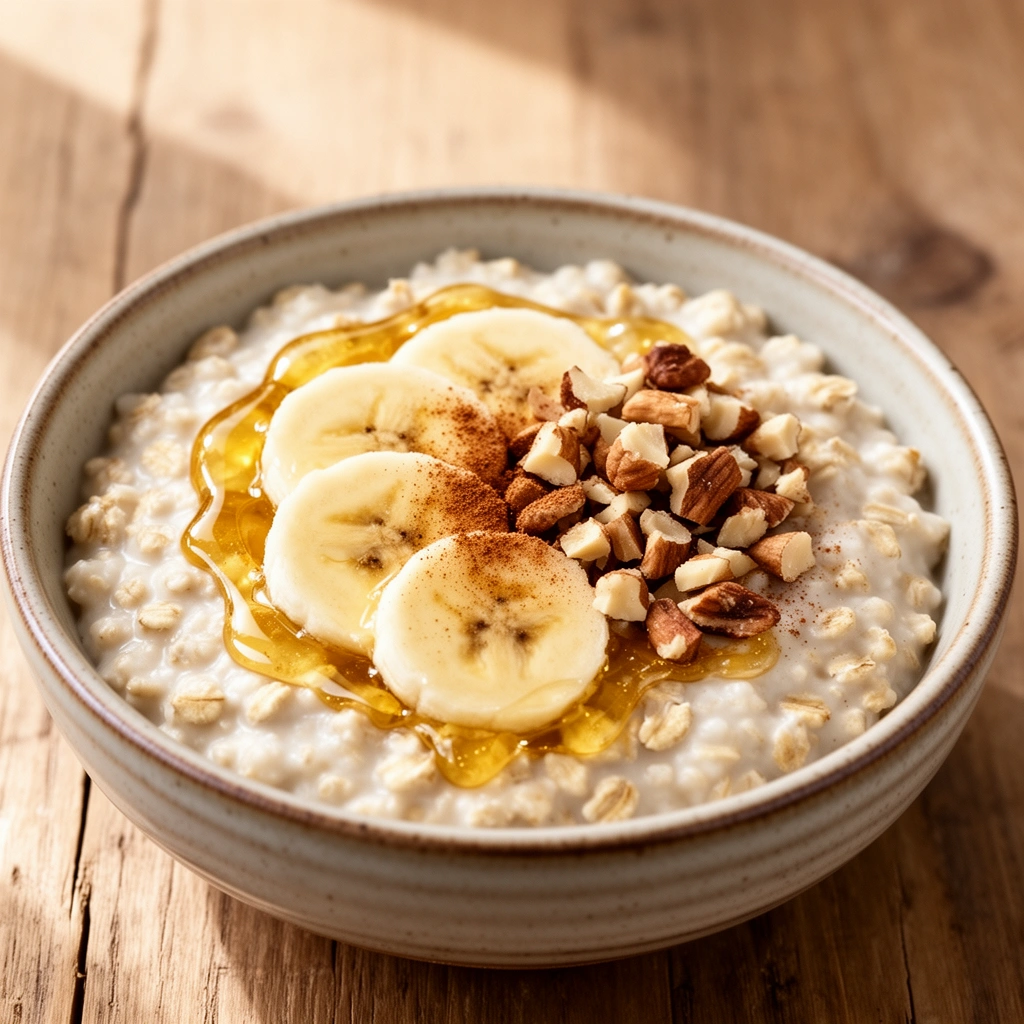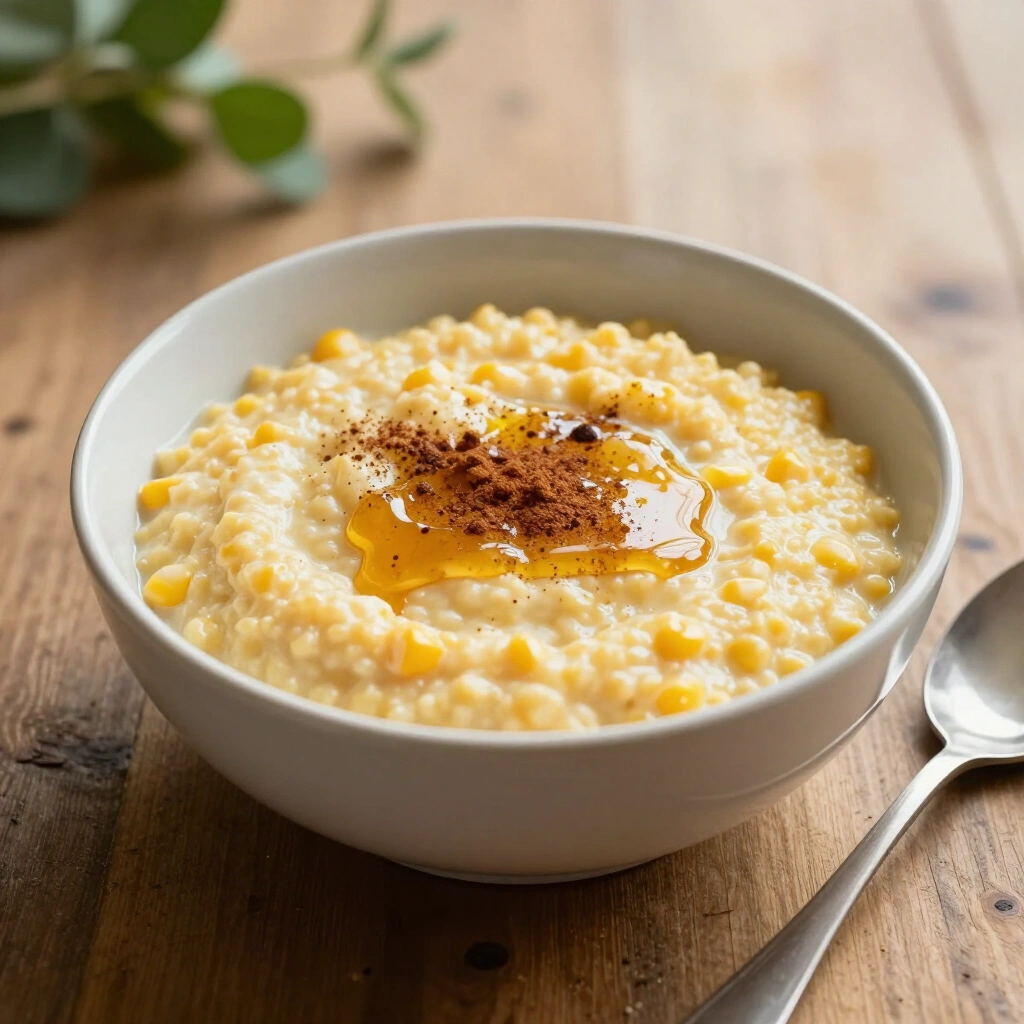

There’s a bowl of cornmeal porridge sitting in my memory from years ago , thick, sweet, fragrant with cinnamon and nutmeg, made rich with coconut milk. One spoonful and I understood immediately why this is a beloved breakfast across the Caribbean. It’s the kind of food that feels like a hug before your day has even started.
Jump to RecipeWhat Is Cornmeal Porridge?
Cornmeal porridge is a warm, smooth, creamy breakfast dish made from fine yellow cornmeal simmered in liquid until thick. It’s a staple across the Caribbean , Jamaica, Trinidad, Barbados, and beyond , where it’s the kind of breakfast that fuel a full day of work or a school morning. Think of it as the Caribbean answer to oatmeal, except richer, more fragrant, and honestly more interesting.
The magic comes from the spice blend. Cinnamon, nutmeg, and allspice give the porridge a warmth that oatmeal never achieves on its own. The coconut milk adds creaminess and a subtle tropical flavor, and the sweetened condensed milk brings everything together with a deep, caramel-like sweetness. IMO, this combination is one of the best flavor profiles in all of breakfast food.
The Ingredients You’ll Need
This recipe makes 2–3 servings. Here’s your full ingredient list with measurements:
- ½ cup fine yellow cornmeal , fine cornmeal is essential here. Coarse cornmeal takes much longer to cook and creates a grainy texture that doesn’t work for porridge. Make sure you grab the fine variety.
- 1 can (400ml) full-fat coconut milk , this is the base of the porridge and what gives it that rich, creamy depth. Light coconut milk works but produces a thinner result.
- 1 cup water , combined with the coconut milk to balance the richness and get the right consistency.
- 2–3 tablespoons sweetened condensed milk , this is the traditional sweetener for Caribbean cornmeal porridge, and it adds a distinctive richness that regular sugar just can’t match. Start with 2 tablespoons and adjust to your taste.
- 1 teaspoon vanilla extract , adds warmth and rounds out the sweetness beautifully.
- ½ teaspoon ground cinnamon , plus a little extra to sprinkle on top when serving.
- ¼ teaspoon ground nutmeg , adds a subtle, slightly woody spice note that deepens the overall flavor.
- ¼ teaspoon ground allspice , the most distinctly Caribbean spice in this recipe. It brings a complex, clove-like warmth that ties the whole spice blend together.
How to Make Cornmeal Porridge
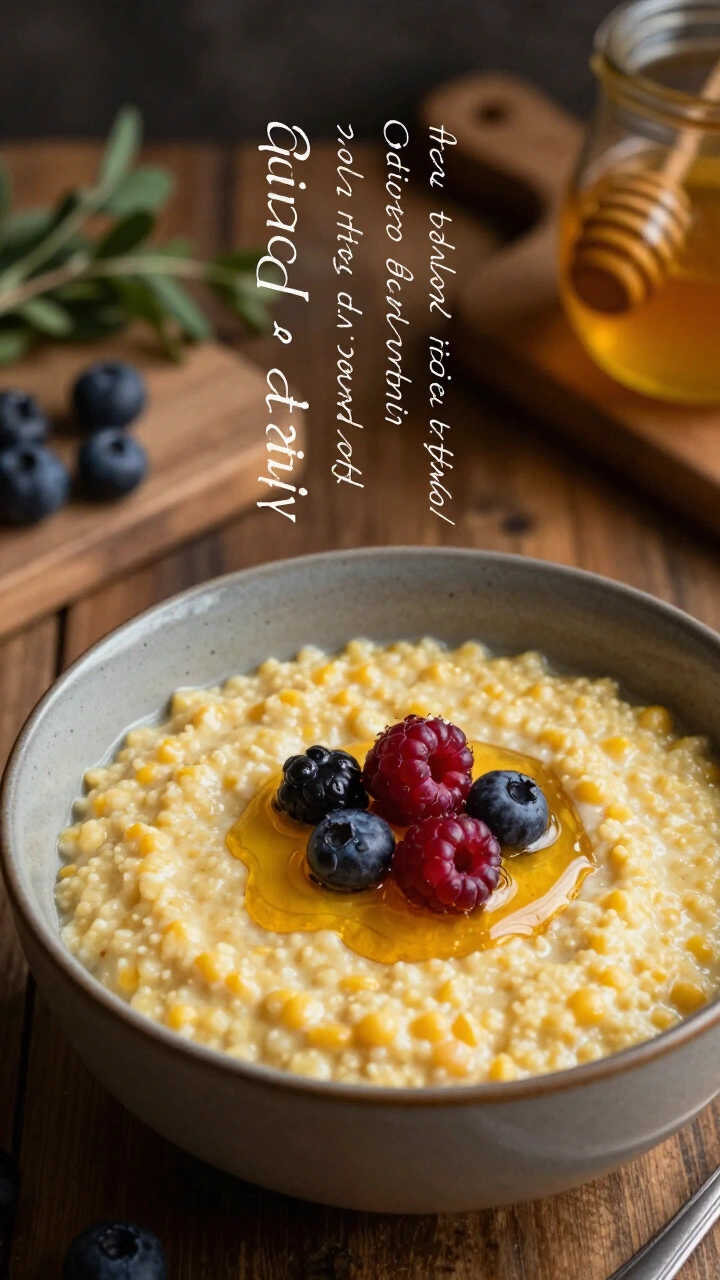
Step 1: Combine the Cornmeal Mixture
In a separate bowl, whisk together the fine cornmeal with about ½ cup of cold water. Mix it into a smooth, lump-free slurry before it goes anywhere near the hot pot. This step is critical , adding dry cornmeal directly to hot liquid causes it to clump immediately, and lumpy cornmeal porridge is a frustrating experience :/. The slurry method prevents that entirely.
Step 2: Heat the Liquid
Pour 1 cup of water and the full can of coconut milk into a medium pot. Place it over medium heat and bring the mixture to a gentle simmer, stirring occasionally. You don’t need a full rolling boil , just a steady simmer with small bubbles breaking the surface.
Step 3: Pour In the Cornmeal Slurry
Once the liquid simmers, slowly pour in the cornmeal slurry while stirring constantly. Don’t stop stirring during this step. Add the mixture in a thin, steady stream and keep the spoon moving to ensure the cornmeal incorporates smoothly without forming lumps.
Step 4: Simmer Until Creamy
Reduce the heat to low and simmer the porridge for 10–15 minutes, stirring frequently. The cornmeal absorbs the liquid and thickens gradually into a smooth, creamy porridge. Here’s what to watch for:
- After 5 minutes: The mixture has thickened noticeably and coats the back of a spoon.
- After 10 minutes: The porridge pulls slightly away from the sides of the pot when stirred. It’s thick, smooth, and creamy.
- After 15 minutes: Fully cooked, deeply flavored, and ready to season.
Stir every couple of minutes during the simmer to prevent the bottom from sticking and scorching. A silicone spatula works great for scraping the bottom of the pot as you go.
Step 5: Add the Flavorings
Remove the pot from the heat and stir in the sweetened condensed milk, vanilla extract, ground cinnamon, ground nutmeg, and ground allspice. Stirring the spices in at the end preserves their fragrance and keeps the flavors bright. Taste the porridge and adjust , add more condensed milk for sweetness, more cinnamon for warmth, or a pinch more nutmeg if you want it spicier.
Step 6: Serve
Ladle the porridge into bowls while it’s hot and finish with:
- A dusting of ground cinnamon on top
- An optional drizzle of extra condensed milk for extra sweetness
- A pinch of freshly grated nutmeg if you have it , the fresh stuff is noticeably more aromatic than pre-ground
Serve immediately. Cornmeal porridge thickens quickly as it cools, so eat it while it’s hot and creamy.
Tips for the Best Cornmeal Porridge
Use Fine Cornmeal, Not Coarse
This is non-negotiable. Fine yellow cornmeal cooks quickly and creates that smooth, silky texture that makes this porridge so satisfying. Coarse cornmeal takes significantly longer to cook and the result is grittier and less pleasant. Check the packaging before you buy , it should say “fine” or “finely ground.”
Make the Slurry First
Adding dry cornmeal to hot liquid creates instant lumps that are nearly impossible to smooth out. Always mix your cornmeal with cold water into a slurry first, then pour it into the simmering pot. This single habit is the difference between silky porridge and a lumpy disappointment.
Stir Constantly When Adding the Slurry
The minute the cornmeal hits the hot liquid, it starts to cook and thicken. Keep stirring the whole time you pour it in , a steady hand and a constant circular motion keeps everything smooth and even.
Adjust the Thickness with Water
Everyone has a preferred consistency for porridge. Some people like it thick enough to hold its shape; others prefer it looser and more pourable. If the porridge thickens too much during cooking, stir in a splash of water or coconut milk to loosen it back up. You have full control here.
Sweetened Condensed Milk Is the Traditional Choice
You can technically substitute regular sugar or maple syrup, but sweetened condensed milk gives the porridge a richness and depth that no other sweetener replicates. It adds a subtle caramel note alongside the sweetness that makes the porridge taste authentically Caribbean. If you haven’t tried it this way, trust the tradition on this one.
The Spice Blend: Why Every Spice Matters
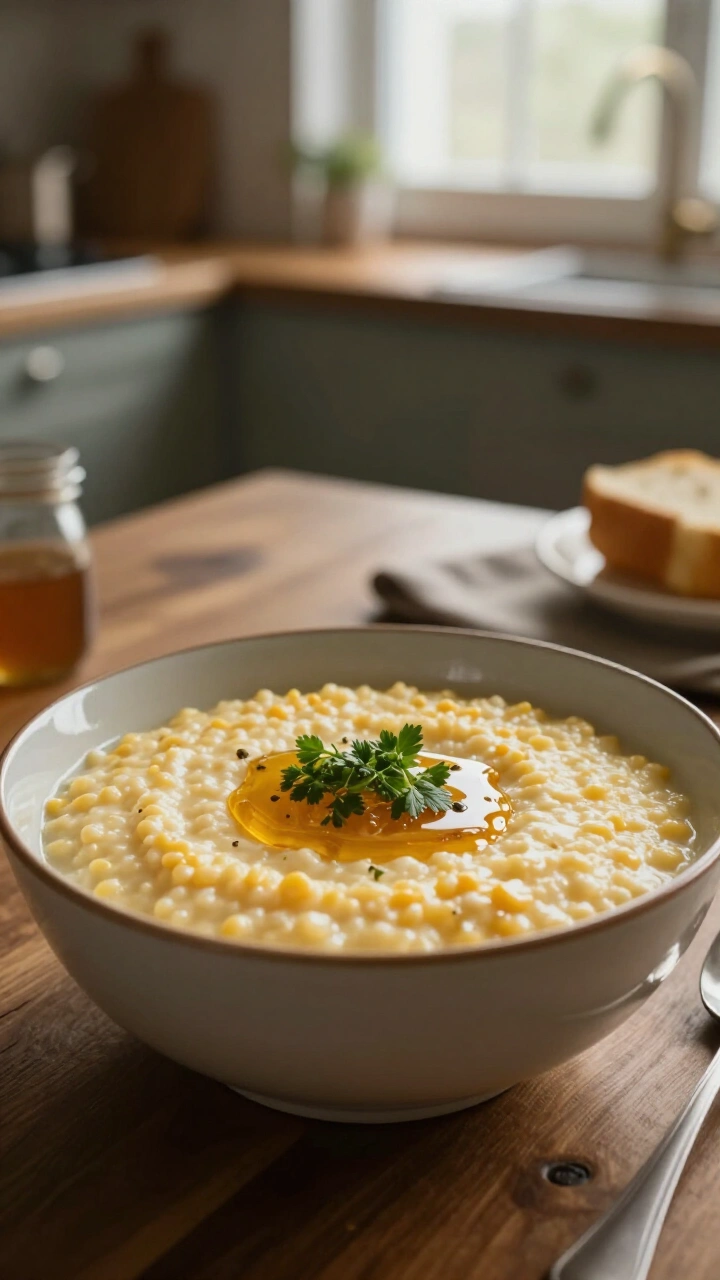
The spice profile in this porridge isn’t decoration , each spice plays a distinct role:
- Cinnamon , warm, sweet, familiar. It provides the dominant spice note and pairs naturally with the coconut milk.
- Nutmeg , slightly woody and warming. It adds depth without overpowering anything else.
- Allspice , this is the one that makes the porridge taste distinctly Caribbean. Allspice smells like a combination of cloves, cinnamon, and pepper all at once. It’s complex and aromatic and completely irreplaceable in this recipe.
Together, these three spices create a warm, layered flavor that makes the porridge feel genuinely special. FYI, this same spice blend shows up in Jamaican cooking across both sweet and savory dishes , it’s a cornerstone of Caribbean cuisine.
Cornmeal Porridge vs. Other Hot Breakfast Porridges
How does cornmeal porridge stack up against the competition?
Cornmeal Porridge vs. Oatmeal
- Flavor: Cornmeal porridge wins on complexity thanks to the spice blend and coconut milk. Oatmeal is milder and more neutral.
- Texture: Cornmeal porridge is smoother and silkier. Oatmeal has more chew.
- Protein: Oatmeal has a slight edge here at 5g per cup vs. about 3g for cornmeal.
- Gluten: Both are naturally gluten-free (though oats may be cross-contaminated unless certified GF).
- Cook time: Similar , both take around 15–20 minutes.
Cornmeal Porridge vs. Grits
Grits and cornmeal porridge share the same base ingredient but head in very different directions. Grits tend to be savory , cooked with butter, cheese, or broth. Cornmeal porridge goes sweet with spices, coconut milk, and condensed milk. They’re two completely different eating experiences despite the common starting point.
Variations Worth Trying
Banana Cornmeal Porridge
Mash one ripe banana and stir it into the porridge during the last few minutes of cooking. It adds natural sweetness, creaminess, and a subtle fruit flavor that works brilliantly with the cinnamon and nutmeg.
Peanut Butter Cornmeal Porridge
Stir in 1 tablespoon of natural peanut butter along with the condensed milk and spices. The peanut butter adds a nutty richness and extra protein that makes the bowl significantly more filling.
Mango Topping
Serve the finished porridge topped with fresh diced mango and a squeeze of lime juice. The bright, tropical fruit cuts through the richness of the coconut milk perfectly and adds a refreshing contrast to the warm spices.
Cornmeal porridge is one of those recipes that earns its place in your permanent breakfast rotation. It takes 25 minutes, uses one pot, and produces a bowl of something genuinely warming and delicious. The coconut milk makes it creamy, the condensed milk makes it sweet, and the cinnamon, nutmeg, and allspice make it taste like nothing else in your breakfast lineup.
Make a pot this weekend. Serve it hot with a dusting of cinnamon and a little extra condensed milk drizzled on top. Once you taste that spiced, coconutty, creamy bowl, your regular breakfast options are going to feel a little boring by comparison. Don’t say I didn’t warn you.
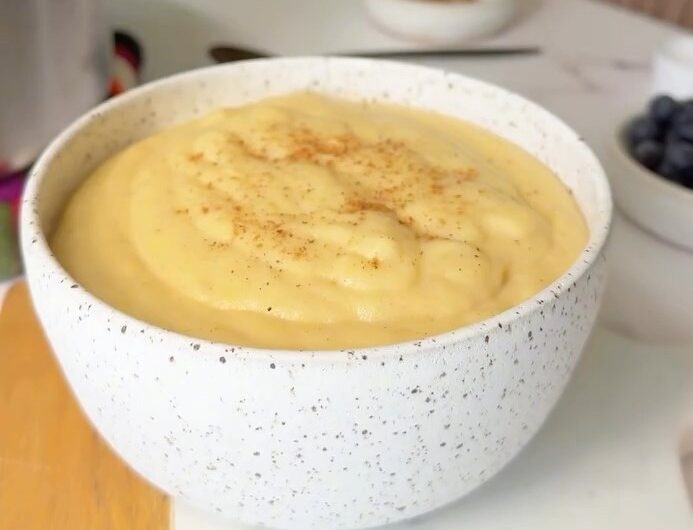
Creamy Cornmeal Porridge Recipe
Course: Porridge5
minutes20
minutes300
kcalIngredients
½ cup fine yellow cornmeal
1 can (400ml) full-fat coconut milk
1 cup water
2–3 tablespoons sweetened condensed milk
1 teaspoon vanilla extract
½ teaspoon ground cinnamon
¼ teaspoon ground nutmeg
¼ teaspoon ground allspice
Directions
- In a separate bowl, whisk together the fine cornmeal with about ½ cup of cold water. Mix it into a smooth, lump-free slurry before it goes anywhere near the hot pot. This step is critical , adding dry cornmeal directly to hot liquid causes it to clump immediately, and lumpy cornmeal porridge is a frustrating experience :/. The slurry method prevents that entirely.
- Pour 1 cup of water and the full can of coconut milk into a medium pot. Place it over medium heat and bring the mixture to a gentle simmer, stirring occasionally. You don’t need a full rolling boil , just a steady simmer with small bubbles breaking the surface.
- Once the liquid simmers, slowly pour in the cornmeal slurry while stirring constantly. Don’t stop stirring during this step. Add the mixture in a thin, steady stream and keep the spoon moving to ensure the cornmeal incorporates smoothly without forming lumps.
- Reduce the heat to low and simmer the porridge for 10–15 minutes, stirring frequently. The cornmeal absorbs the liquid and thickens gradually into a smooth, creamy porridge. Here’s what to watch for:
After 5 minutes: The mixture has thickened noticeably and coats the back of a spoon.
After 10 minutes: The porridge pulls slightly away from the sides of the pot when stirred. It’s thick, smooth, and creamy.
After 15 minutes: Fully cooked, deeply flavored, and ready to season.
Stir every couple of minutes during the simmer to prevent the bottom from sticking and scorching. A silicone spatula works great for scraping the bottom of the pot as you go. - Remove the pot from the heat and stir in the sweetened condensed milk, vanilla extract, ground cinnamon, ground nutmeg, and ground allspice. Stirring the spices in at the end preserves their fragrance and keeps the flavors bright. Taste the porridge and adjust , add more condensed milk for sweetness, more cinnamon for warmth, or a pinch more nutmeg if you want it spicier.
- Ladle the porridge into bowls while it’s hot and finish with:
A dusting of ground cinnamon on top
An optional drizzle of extra condensed milk for extra sweetness
A pinch of freshly grated nutmeg if you have it , the fresh stuff is noticeably more aromatic than pre-ground - Serve immediately. Cornmeal porridge thickens quickly as it cools, so eat it while it’s hot and creamy.
Notes
- Adding dry cornmeal to hot liquid creates instant lumps that are nearly impossible to smooth out. Always mix your cornmeal with cold water into a slurry first, then pour it into the simmering pot. This single habit is the difference between silky porridge and a lumpy disappointment.

About the author
Written by Arman
Hi, I'm Muhammad Arman, a healthy food expert who is passionate about helping you build a better life through real, nourishing food. I share simple, practical tips and clean recipes because I truly believe that eating well should feel good, not complicated.
Published April 13, 2026 Updated May 27, 2026