
Introduction
Are you looking for a healthy, filling breakfast that’s easy to prepare and endlessly customizable? Baked oatmeal casserole has become a popular choice for busy mornings, weekend brunches, or even meal prepping for the week ahead. It combines the hearty goodness of oats with the convenience of a one-pan dish, making breakfast both nutritious and effortless.
Baked oatmeal casserole is a baked dish made primarily from rolled oats, milk, eggs, and sweeteners, often topped with fruits, nuts, or spices. It’s a warm, comforting meal that can be tailored to suit dietary needs and flavor preferences, making it perfect for everyone from health-conscious individuals to families seeking wholesome options.
If you’ve ever wondered how to create a delicious baked oatmeal casserole that’s both satisfying and nutritious, then you’re in the right place. In this article, I’ll guide you through everything you need to know—from essential ingredients and preparation tips to creative variations and health benefits. Plus, I’ll share expert advice on customizing your casserole to fit your taste buds and dietary goals.
What is Baked Oatmeal Casserole?
Baked oatmeal casserole is a versatile, baked breakfast dish that transforms simple ingredients into a warm, hearty meal. It’s similar to traditional oatmeal but baked in the oven, resulting in a soft, sliceable texture that’s easy to portion. This dish is perfect for batch cooking, as it can be prepared ahead of time and reheated throughout the week.
The core concept involves combining rolled oats with a liquid base—milk or dairy alternatives—along with eggs to bind everything together. Sweeteners like honey or maple syrup, along with spices such as cinnamon or nutmeg, add flavor and warmth. Fruits, nuts, and other toppings can be added for extra texture and nutrition, making each casserole uniquely yours.
Baked oatmeal casseroles are suitable for various dietary needs, including gluten-free, vegan, or low-sugar versions, with appropriate ingredient substitutions. They are an excellent way to start your day with sustained energy and balanced nutrition.
Why Choose Baked Oatmeal Casserole?
Baked oatmeal casserole offers numerous advantages over traditional stovetop oatmeal. Firstly, it’s incredibly convenient—prepare it once, and you’ve got breakfast for several days. It’s also highly customizable, allowing you to incorporate your favorite flavors and ingredients.
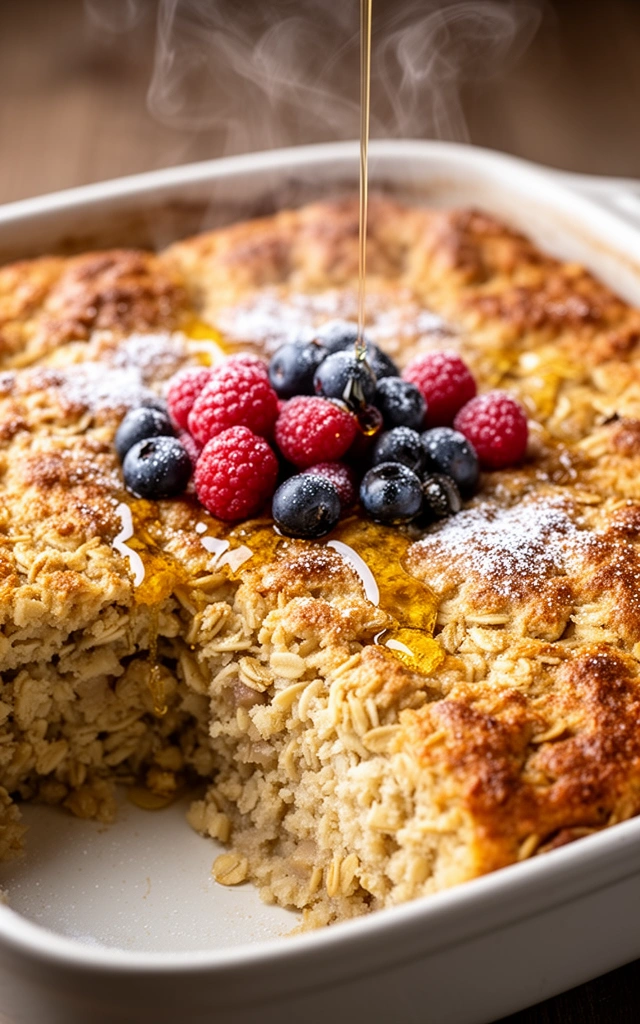
From a health perspective, baked oatmeal is a fiber-rich meal that promotes digestion, helps regulate blood sugar, and keeps you full longer. It’s an excellent source of complex carbohydrates, vitamins, and minerals, especially when topped with fresh fruits and nuts. Plus, baking it in the oven ensures even cooking and a consistent texture.
This dish is versatile enough to suit various dietary lifestyles. Whether you prefer it vegan, gluten-free, or low-sugar, you can tweak the ingredients accordingly. It’s a wholesome, satisfying option for families, athletes, or anyone looking to enjoy a nourishing breakfast without fuss.
Key Ingredients for Perfect Baked Oatmeal
Creating a delicious baked oatmeal casserole starts with selecting the right ingredients. Here’s a comprehensive list to help you build your perfect dish:
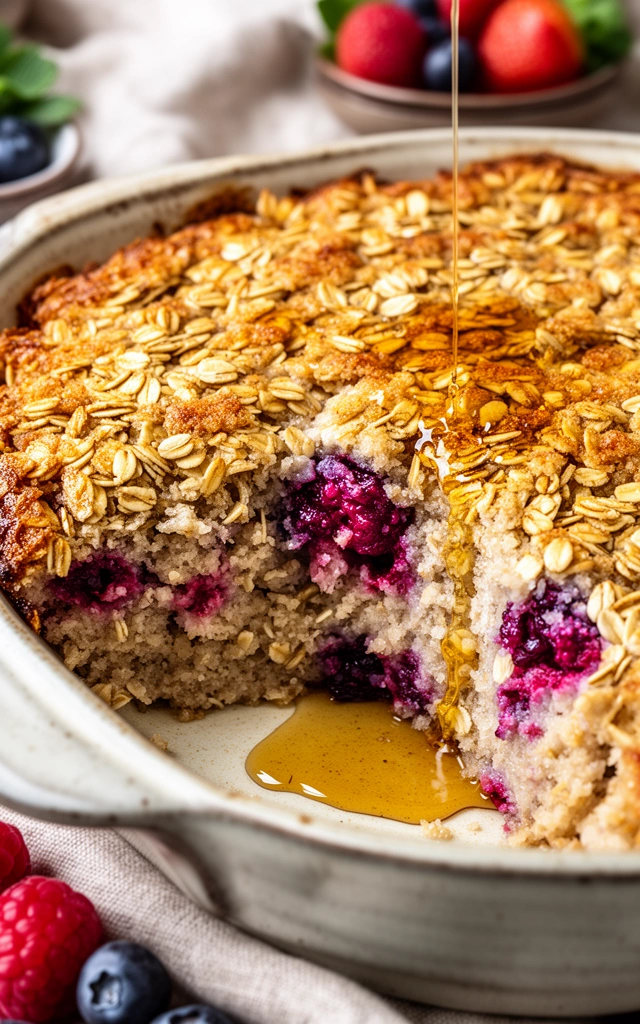
- Rolled oats: The foundation; choose gluten-free oats if needed.
- Liquid base: Milk (dairy or plant-based like almond, soy, or oat milk).
- Eggs: For binding and structure; substitute with flaxseed or chia seeds for vegan versions.
- Sweeteners: Honey, maple syrup, or coconut sugar.
- Fruits: Fresh or frozen berries, sliced bananas, apples, or peaches.
- Spices: Cinnamon, nutmeg, vanilla extract for flavor enhancement.
- Nuts & Seeds: Walnuts, almonds, chia seeds, or flaxseeds for added crunch and nutrition.
- Leavening agents: Baking powder to give fluffiness.
- Optional extras: Coconut flakes, chocolate chips, or yogurt for topping or mixing.
Choosing high-quality ingredients and fresh produce will elevate your baked oatmeal casserole, making it more flavorful and nutritious.
How to Prepare Baked Oatmeal Casserole
Preparing baked oatmeal casserole is straightforward and forgiving, making it perfect for both beginners and seasoned cooks. Follow these step-by-step instructions:
- Preheat your oven: Set to 350°F (175°C). Lightly grease your baking dish with butter or cooking spray.
- Mix the dry ingredients: In a large bowl, combine rolled oats, baking powder, cinnamon, and any spices.
- Prepare the wet mixture: In a separate bowl, whisk together eggs, milk, sweetener, vanilla extract, and optional add-ins like mashed bananas or applesauce.
- Combine wet and dry: Pour the wet mixture into the dry ingredients and stir until well incorporated.
- Add fruits and nuts: Gently fold in berries, sliced fruit, or nuts to distribute evenly.
- Pour into baking dish: Spread the mixture evenly in your prepared dish.
- Bake: Place in the oven and bake for 35–45 minutes, or until the top is golden and a toothpick inserted in the center comes out clean.
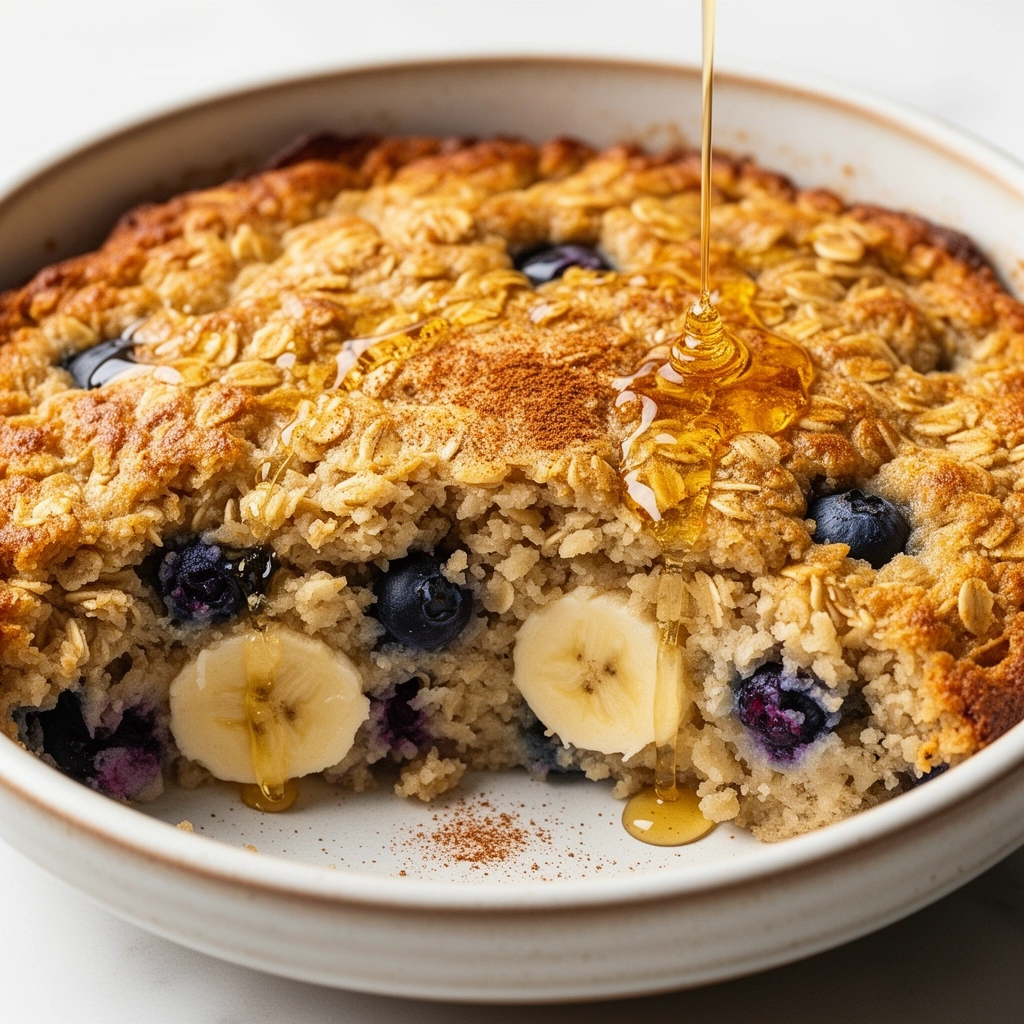
- Serve: Let it cool slightly before slicing. Serve warm with a drizzle of honey, yogurt, or additional fruits.
For best results, prepare the casserole the night before and refrigerate overnight. In the morning, just pop it in the oven to reheat and enjoy.
Tips for Customizing Your Baked Oatmeal
Customization is key to making baked oatmeal casserole a staple in your breakfast rotation. Here are some expert tips:
- Adjust sweetness: Use natural sweeteners and add fruits for extra flavor and moisture.
- Make it vegan: Substitute eggs with flaxseed or chia seed gel, and use plant-based milk.
- Gluten-free options: Ensure oats are certified gluten-free and avoid wheat-based add-ins.
- Flavor variations: Add cocoa powder for a chocolate twist or citrus zest for brightness.
- Texture preferences: Incorporate chopped nuts or coconut flakes for crunch.
- Health boosts: Mix in chia seeds or flaxseeds for omega-3s, or add protein powder for an extra protein punch.
Experimenting with flavors and ingredients allows you to tailor the dish to your dietary needs and taste preferences.
Nutritional Benefits of Baked Oatmeal Casserole
Baked oatmeal is a powerhouse of nutrition, offering several health benefits:
- High in dietary fiber: Promotes digestion and helps maintain healthy weight.
- Rich in complex carbohydrates: Provides sustained energy throughout the day.
- Packed with vitamins and minerals: Such as iron, magnesium, and B-vitamins.
- Supports heart health: When topped with nuts and seeds, it provides healthy fats.
- Blood sugar regulation: Fiber and protein help stabilize blood sugar levels.
- Weight management: Its filling nature helps curb hunger and reduce snacking.
Incorporating baked oatmeal into your diet can be a simple way to boost overall health and well-being.
Creative Variations to Elevate Your Baked Oatmeal
While the classic baked oatmeal is delicious, there are endless ways to elevate this dish:
- Chocolate banana: Mix cocoa powder and mashed bananas, then top with mini chocolate chips.
- Apple cinnamon: Add diced apples and extra cinnamon, topped with a sprinkle of brown sugar.
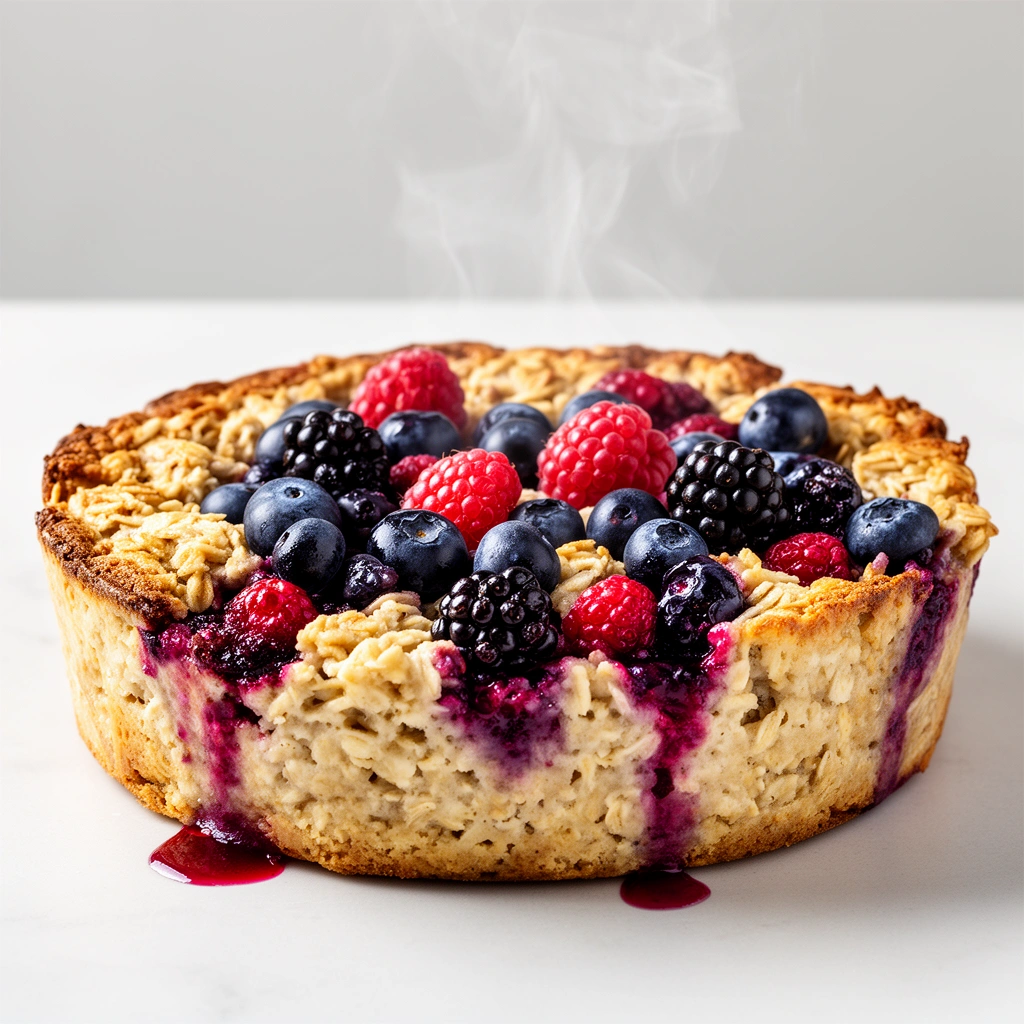
- Berry medley: Use a mix of strawberries, blueberries, and raspberries for vibrant color and flavor.
- Tropical vibe: Incorporate shredded coconut, pineapple chunks, and macadamia nuts.
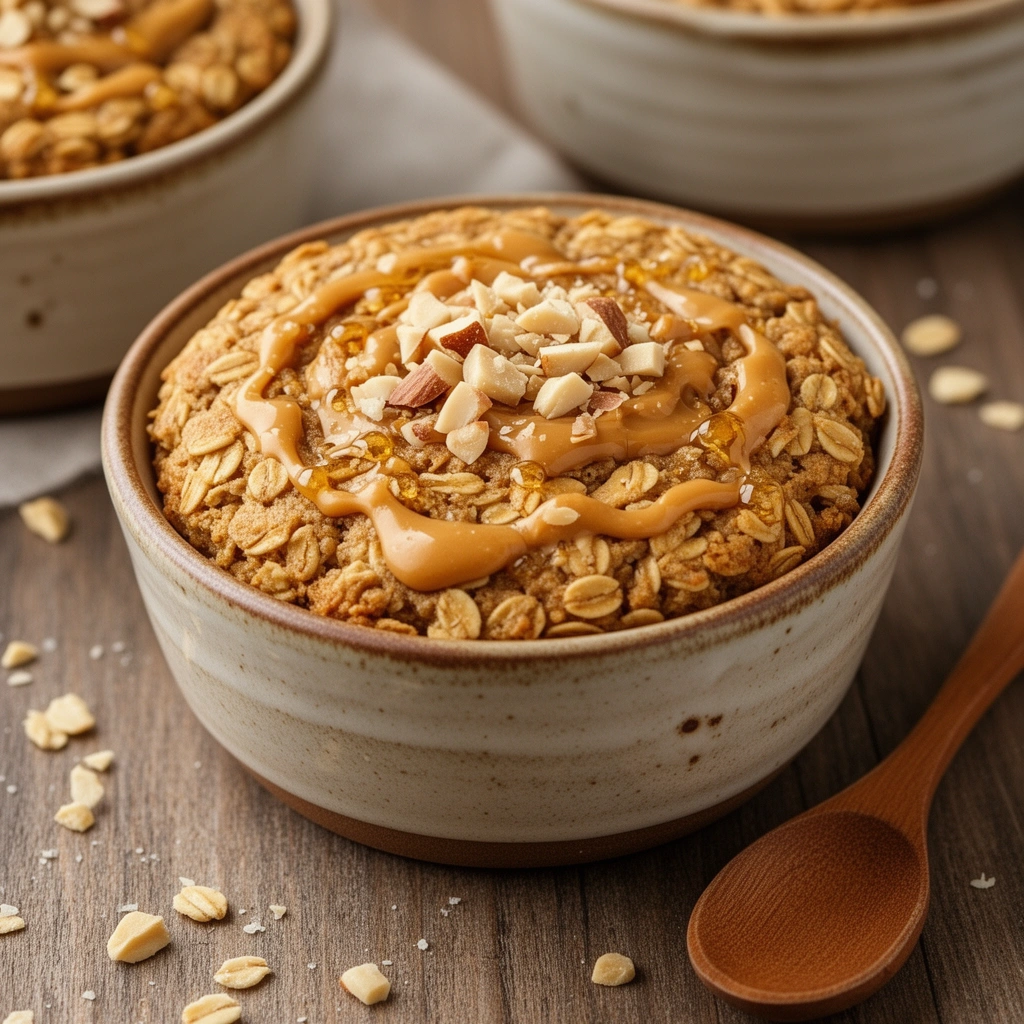
- Peanut butter and jelly: Swirl natural peanut butter and fruit preserves into the batter.
These variations can keep your breakfast exciting and cater to different taste preferences or seasonal ingredients.
Serving Suggestions and Storage Tips
Serving baked oatmeal casserole is as simple as slicing and plating. Here are some ideas:
- Serve warm with a dollop of yogurt or a splash of milk.
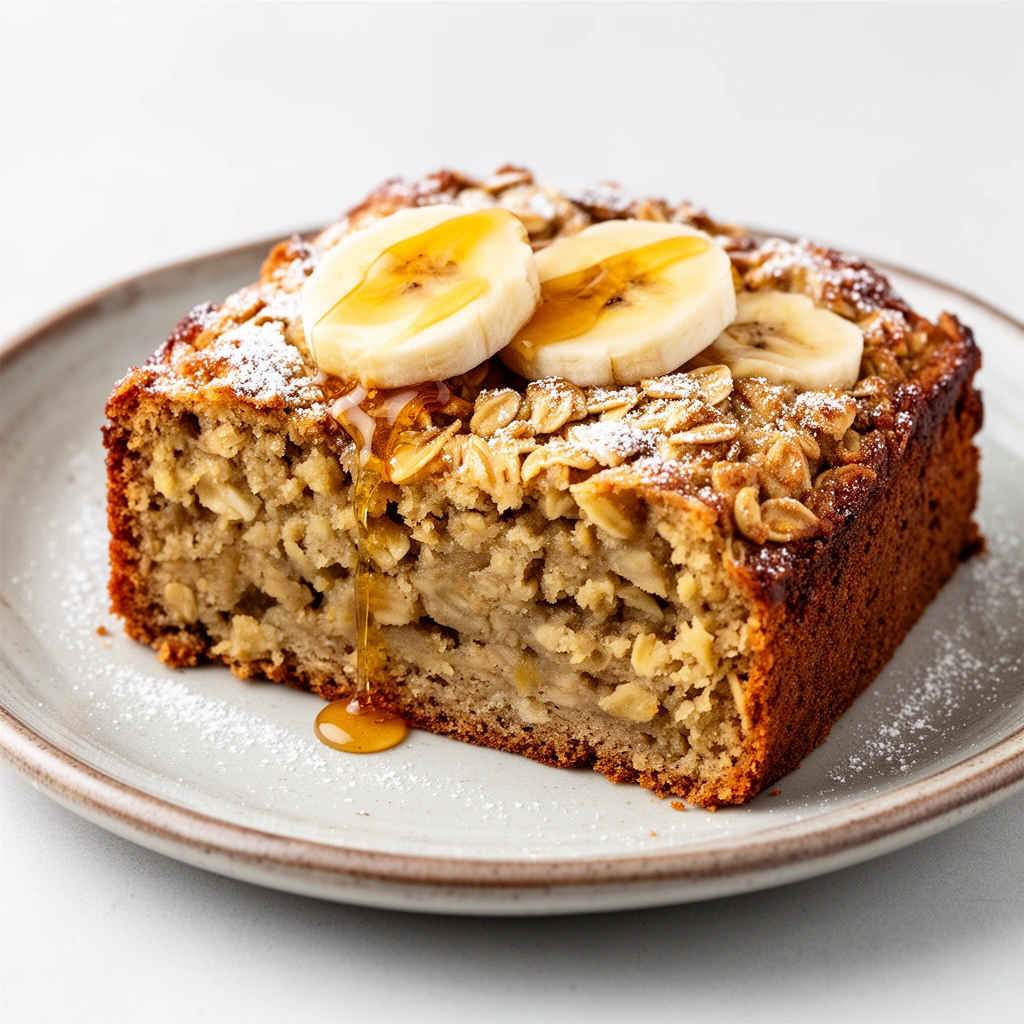
- Top with fresh fruit or a drizzle of honey for extra sweetness.
- Cut into squares and reheat in the microwave for quick mornings.
- Use leftovers as a portable breakfast or snack.
For storage, let the casserole cool completely before refrigerating in an airtight container. It can last up to 4-5 days in the fridge. To freeze, wrap individual portions in plastic wrap and store in a freezer-safe bag for up to three months. Reheat in the microwave or oven for a fresh, warm breakfast anytime.
Frequently Asked Questions About Baked Oatmeal Casserole
Can I make baked oatmeal casserole vegan?
Yes, simply replace eggs with flaxseed or chia seed gel, and use plant-based milk.
Is baked oatmeal gluten-free?
It can be, provided you use certified gluten-free oats and avoid gluten-containing add-ins.
How can I reduce sugar in this dish?
Use natural sweeteners like honey or maple syrup, and rely on fruits for added sweetness.
Can I add protein to baked oatmeal?
Absolutely. Mix in protein powder, Greek yogurt, or nuts for an added protein boost.
What’s the best way to reheat leftovers?
Reheat slices in the microwave for 30-60 seconds, or warm in the oven at 350°F until heated through.
Final Thoughts
In conclusion, baked oatmeal casserole is a versatile, nutritious, and delicious way to elevate your breakfast game. Its adaptability allows you to customize flavors, ingredients, and textures to suit your preferences. Whether you prefer a sweet fruit-topped version or a savory twist with nuts and spices, baked oatmeal is a wholesome choice for any morning.
By understanding the core ingredients, preparation tips, and creative variations, you can craft a baked oatmeal casserole that’s both satisfying and nourishing. So why not give it a try? Your taste buds—and your health—will thank you!
6
servings15
minutes40
minutes320
kcalIngredients
2 cups rolled oats
2 cups milk (dairy or plant-based)
2 large eggs
1/4 cup honey or maple syrup
1 teaspoon vanilla extract
1 teaspoon baking powder
1 teaspoon cinnamon
1/4 teaspoon nutmeg
1 cup fresh or frozen berries
1/2 cup chopped nuts (walnuts or almonds)
1 mashed banana or 1/4 cup applesauce (optional)
Pinch of salt
Butter or cooking spray for greasing
Directions
- Preheat your oven to 350°F (175°C). Lightly grease a baking dish with butter or cooking spray.
- In a large bowl, combine rolled oats, baking powder, cinnamon, nutmeg, and salt.
- In a separate bowl, whisk together eggs, milk, honey or maple syrup, vanilla extract, and mashed banana or applesauce if using.
- Pour the wet mixture into the dry ingredients and stir until well incorporated.
- Gently fold in berries and chopped nuts to distribute evenly.
- Pour the mixture into the prepared baking dish and spread evenly.
- Bake for 35–45 minutes, or until the top is golden and a toothpick inserted in the center comes out clean.
- Let cool slightly before slicing. Serve warm with a drizzle of honey, yogurt, or additional fresh fruits.
Notes
- Prepare the casserole the night before and refrigerate overnight. In the morning, just pop it in the oven to reheat and enjoy. For a vegan version, substitute eggs with flaxseed or chia seed gel and use plant-based milk. Store leftovers in the fridge for up to 5 days or freeze individual portions for up to 3 months.

About the author
Written by Arman
Hi, I'm Muhammad Arman, a healthy food expert who is passionate about helping you build a better life through real, nourishing food. I share simple, practical tips and clean recipes because I truly believe that eating well should feel good, not complicated.
Published May 19, 2026 Updated June 1, 2026