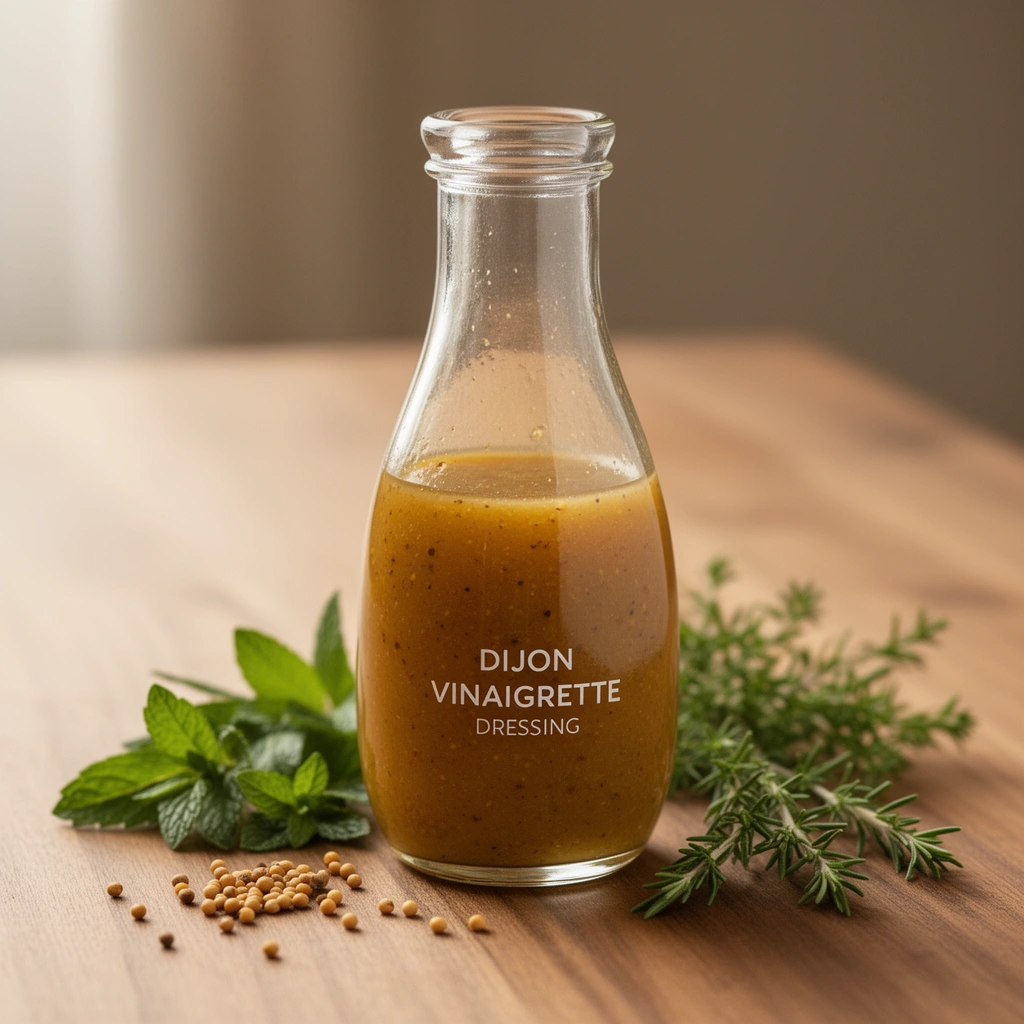

A good salad dressing can make or break a meal. You can load a bowl with beautiful fresh ingredients and ruin the whole thing with a watery, flavourless dressing from a bottle. Dijon vinaigrette is the opposite of that problem sharp, tangy, slightly sweet, with a depth that makes every salad taste intentional rather than accidental.
Why Dijon Vinaigrette Beats Every Other Salad Dressing
Most bottled vinaigrettes taste flat. They separate within seconds of pouring, the acid hits too sharp, and the flavour fades fast. Homemade Dijon vinaigrette stays emulsified longer, tastes noticeably brighter, and costs a fraction of what you’d pay for a decent bottled alternative.
The Ingredients: Simple but Precise
Seven ingredients. That’s all this Dijon vinaigrette dressing needs. Here’s the full list:
- ⅓ cup olive oil
- 1 tablespoon Dijon mustard
- 1 clove garlic, grated
- 1 teaspoon oregano
- ¼ cup red wine vinegar
- ½ teaspoon salt
- ½ teaspoon honey
How to Make Dijon Vinaigrette Dressing
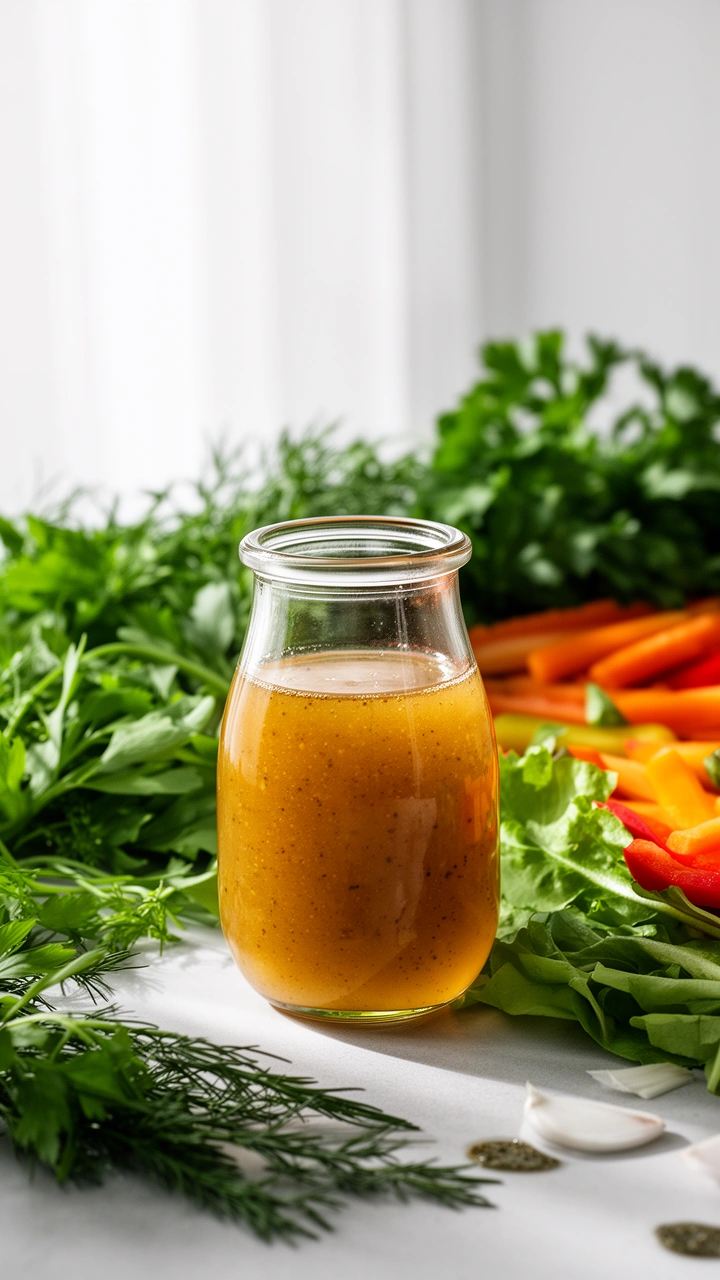
This is the easiest dressing recipe you’ll ever follow. The whole method fits in three steps:
Step 1: Add Everything to a Jar
Grab a clean glass jar with a tight-fitting lid. Add:
- ⅓ cup olive oil
- 1 tablespoon Dijon mustard
- 1 grated garlic clove
- 1 teaspoon oregano
- ¼ cup red wine vinegar
- ½ teaspoon salt
- ½ teaspoon honey
There’s no particular order required , everything goes in together.
Step 2: Close the Lid and Shake
Seal the jar tightly and shake vigorously for 20–30 seconds. The Dijon mustard does the emulsification work, so you don’t need a whisk or blender. After shaking, the dressing should look uniform and slightly creamy rather than visibly separated.
Step 3: Taste and Adjust
Pour a small amount onto a spoon and taste it. Want more tang? Add a splash more red wine vinegar. Want it sharper? A touch more Dijon. Need more depth? A pinch more salt. Adjusting seasoning at this stage takes 30 seconds and makes a genuine difference to the final result.
That’s it. Your homemade Dijon vinaigrette is ready.
How to Use Dijon Vinaigrette Dressing
The versatility of this dressing genuinely surprises people who think of vinaigrette as strictly a salad thing. Yes, it works beautifully on salads , but that’s just the starting point:
- Classic green salad , the obvious choice, and it’s perfect
- Grain bowls , drizzle over quinoa, farro, or rice bowls for instant flavour
- Roasted vegetables , toss roasted broccoli, cauliflower, or carrots in warm vinaigrette
- Grilled chicken marinade , use it as a marinade for 30–60 minutes before cooking
- Pasta salad dressing , toss through cold pasta with vegetables and feta
- Steamed greens , a drizzle over broccoli or green beans beats every other sauce
- Sandwich spread , use sparingly as a flavourful alternative to mayo
- Lentil or bean salad , the acid works brilliantly with legumes
IMO, using this vinaigrette on roasted vegetables is one of the most underrated things you can do in a kitchen. Toss warm vegetables straight from the oven with a tablespoon of dressing and the flavour difference is remarkable.
Storage Tips
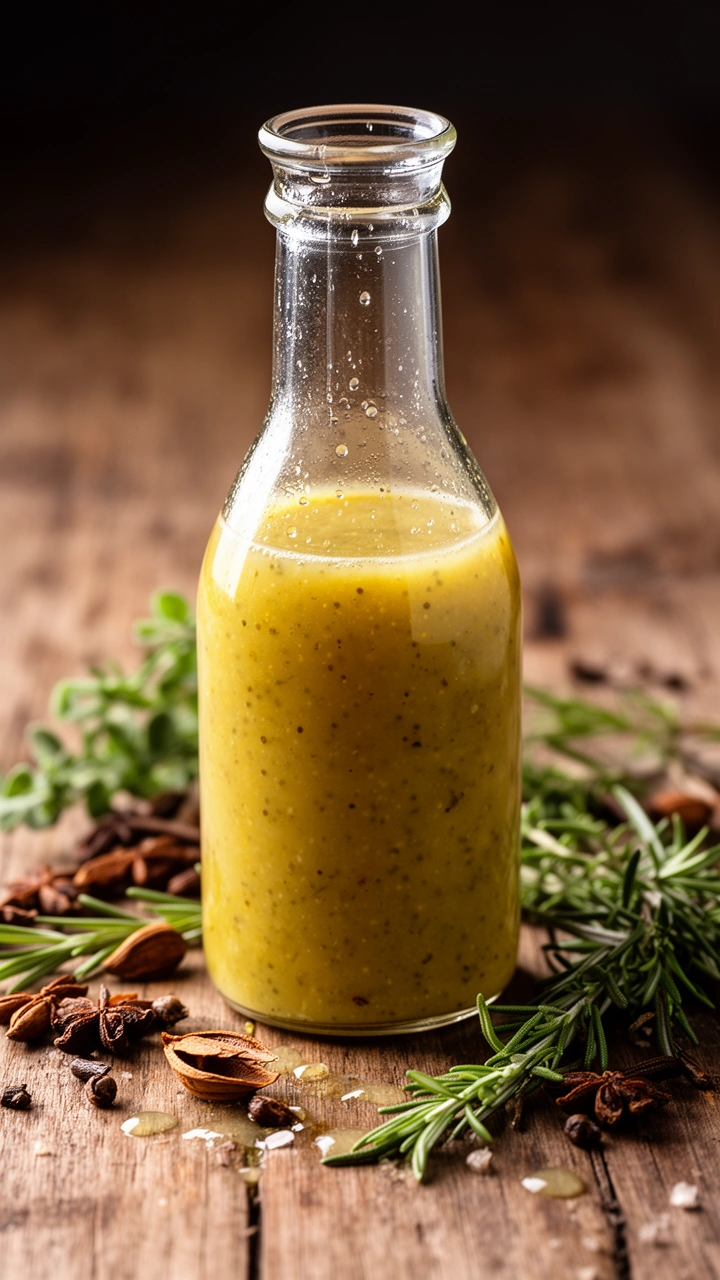
Homemade Dijon vinaigrette keeps well in the fridge for up to two weeks in a sealed jar. A few things to keep in mind:
- The oil will solidify slightly in the fridge , this is normal and expected
- Always bring the dressing back to room temperature for 5–10 minutes before using, then shake again
- The garlic flavour intensifies over time , on day five it’s noticeably stronger than day one
- Keep the jar sealed tightly to preserve the flavour of the herbs and garlic
Making a fresh batch every week or two ensures the brightest flavour, but the dressing is genuinely still excellent after two weeks.
Getting the Oil-to-Vinegar Ratio Right
The classic French vinaigrette ratio uses 3 parts oil to 1 part acid. This recipe uses approximately that ratio , ⅓ cup oil to ¼ cup red wine vinegar , which sits slightly closer to equal parts than a traditional French dressing. The result is a tangier, lighter dressing that suits modern palates and works especially well on heartier salad ingredients like kale, romaine, or grain bowls.
Adjusting for Your Taste
- Want it richer and less sharp? Increase olive oil to ½ cup
- Want more acidity? Add an extra tablespoon of red wine vinegar
- Want it sweeter? Increase honey to 1 full teaspoon
- Want more body? Add a second teaspoon of Dijon mustard
Start with the base recipe, taste it, and adjust from there. After making it twice, you’ll know exactly what your version needs.
Dijon Vinaigrette vs. Store-Bought Alternatives
Let’s compare what you’re actually getting:
| Factor | Homemade Dijon Vinaigrette | Store-Bought Vinaigrette |
|---|---|---|
| Ingredients | 7 whole-food ingredients | Often 15–25 with preservatives |
| Emulsification | Natural (Dijon mustard) | Chemical emulsifiers |
| Flavour freshness | Bright and immediate | Often flat or overly acidic |
| Customisable | Fully | Not at all |
| Cost per batch | Very low | Moderate to high |
| Prep time | 2 minutes | 0 minutes |
| Shelf life | Up to 2 weeks in fridge | Months (preservatives) |
The only category where bottled dressing wins is convenience , and two minutes is a pretty small investment to make something noticeably better :/
Flavour Variations Worth Trying
Once you’ve mastered the classic version, these tweaks are worth exploring:
Lemon Dijon Vinaigrette
Replace the red wine vinegar with fresh lemon juice. The result is brighter and works especially well on lighter salads with delicate leaves like butter lettuce or arugula.
Herb Dijon Vinaigrette
Add ½ teaspoon of fresh thyme or rosemary alongside the oregano. This version pairs beautifully with roasted vegetables and works as an excellent marinade for lamb.
Shallot Dijon Vinaigrette
Replace the garlic with one finely minced shallot. Shallots are milder and slightly sweeter than garlic, producing a more refined dressing that suits elegant salads with goat cheese or nuts.
Balsamic Dijon Vinaigrette
Swap half the red wine vinegar for balsamic vinegar. You get a richer, slightly sweeter dressing that works brilliantly on salads with strawberries, walnuts, or roasted beetroot.
Final Thoughts
Dijon vinaigrette dressing is the one recipe everyone should know how to make. Seven ingredients, a jar, thirty seconds of shaking , and you have a dressing that makes every salad taste considered and every roasted vegetable taste like you actually tried.
Make a batch today, keep it in the fridge, and start using it on everything. Once you experience how much better a proper homemade vinaigrette tastes, reaching for the bottle will feel like a step backwards you’re not willing to take. Your salads deserve better , and so do you 🙂
6
servings5
minutes20
minutes120
kcalIngredients
1/3 cup olive oil
1 tablespoon Dijon mustard
1 clove garlic, grated
1 teaspoon oregano
1/4 cup red wine vinegar
1/2 teaspoon salt
1/2 teaspoon honey
Directions
- Add the olive oil, Dijon mustard, grated garlic, oregano, red wine vinegar, salt, and honey to a clean glass jar with a tight-fitting lid.
- Seal the jar tightly and shake vigorously for 20 to 30 seconds until the dressing looks uniform and slightly creamy.
- Taste and adjust seasoning, adding a splash more vinegar for tang, more Dijon for sharpness, or a pinch more salt for depth.
Notes
- Store in a sealed jar in the refrigerator for up to 2 weeks. Let it sit at room temperature for 5 to 10 minutes before shaking and serving.

About the author
Written by Arman
Hi, I'm Muhammad Arman, a healthy food expert who is passionate about helping you build a better life through real, nourishing food. I share simple, practical tips and clean recipes because I truly believe that eating well should feel good, not complicated.
Published April 21, 2026 Updated May 27, 2026