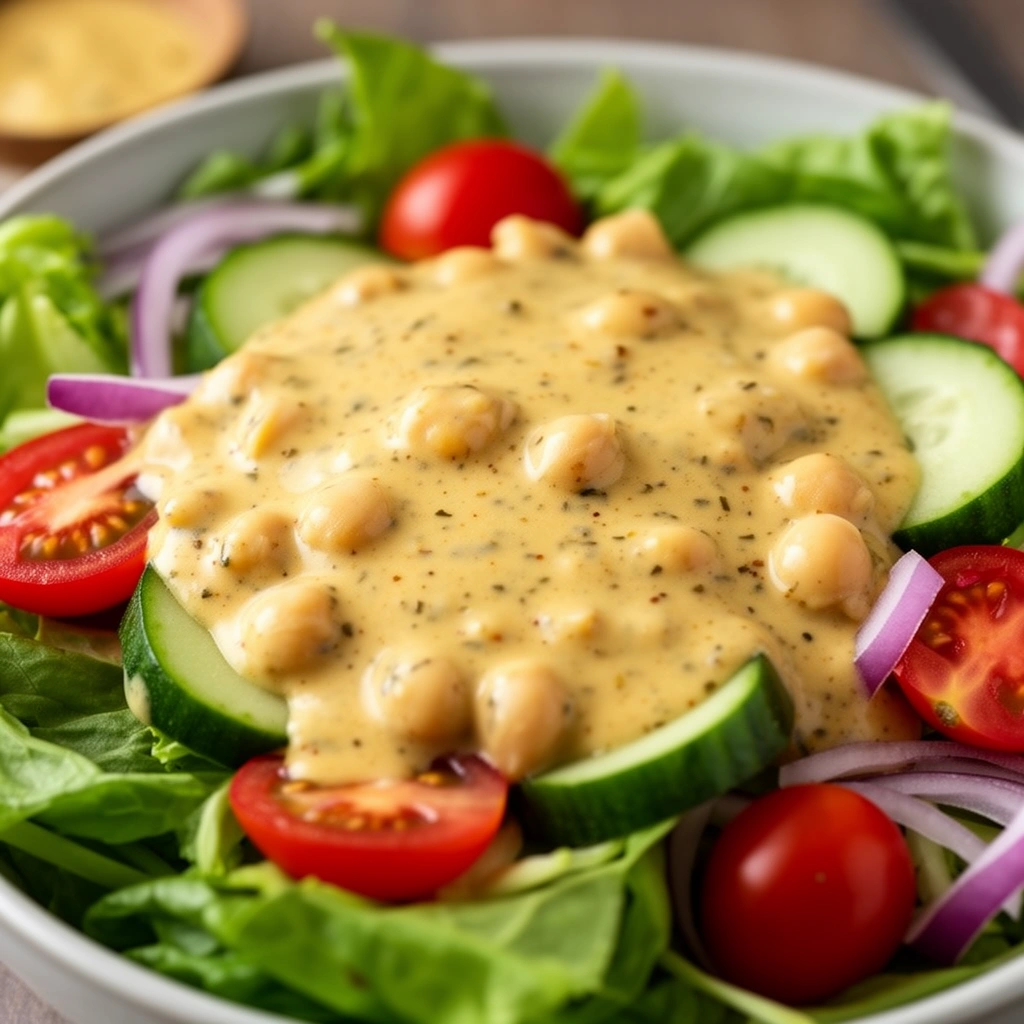
Every Greek salad I ordered at restaurants for years had one thing in common , the dressing made it. Not the feta, not the olives, not the cucumbers. The dressing. And every time I tried to recreate that magic at home with a bottle from the grocery store, I ended up with something watery, weirdly sweet, and vaguely disappointing.
Why Homemade Greek Dressing Destroys the Bottled Version
Let’s get this out of the way immediately. Bottled Greek dressing almost always contains water, corn syrup, xanthan gum, and stabilizers , ingredients that have no business being in a dressing that’s supposed to taste like the Mediterranean. You’re paying for convenience and getting a flavor that’s a distant cousin of the real thing.
Homemade Greek dressing uses honest ingredients that actually taste like something. And the best part? You throw everything in a bottle, shake it, and you’re done. No cooking, no equipment, no technique required.
The Ingredients That Make This Greek Dressing Recipe Work
Every ingredient in this recipe earns its place. Nothing here is optional filler.
- 1 cup fresh, high-quality olive oil , the backbone of the entire dressing; use the best you can find
- 1 tbsp dried oregano (or 1 large handful of fresh oregano, finely chopped) , the herb that defines Greek flavor
- 1 tsp sea salt , essential for pulling all the flavors together
- ½ tsp black pepper , adds subtle warmth without heat
- Juice of 1–2 medium lemons (about ¼ to ½ cup) , brings brightness and acidity
- 1 tbsp red wine vinegar , adds depth and a gentle tang that lemon alone can’t provide
- 3 small garlic cloves, pressed , non-negotiable; garlic makes this dressing sing
Each one of these ingredients plays a specific role, and skimping on quality , especially with the olive oil and oregano , will show up directly in the final flavor.
A Closer Look at the Key Ingredients
Why Olive Oil Quality Matters So Much
The olive oil is 80% of this dressing by volume, so whatever you pour in there defines everything else. A dull, oxidized, or low-grade olive oil produces a flat dressing no matter how much oregano and lemon you add. A fresh, fruity, high-quality extra virgin olive oil makes the whole thing taste alive.
Look for olive oil with a harvest date on the bottle, not just an expiry date. Fresher is always better, and the flavor difference is significant enough to be worth the extra few dollars.
Fresh vs. Dried Oregano
IMO, dried oregano actually works better in this recipe than fresh , and I say that as someone who grows fresh herbs on the windowsill. Dried oregano is more concentrated and releases its flavor beautifully into the oil, giving you that classic Greek dressing aroma from the first shake.
Fresh oregano works well too, and it produces a brighter, grassier flavor. If you go fresh, chop it finely so it distributes evenly through the dressing. Either way, don’t go light on it , oregano is the soul of Greek dressing.
Lemon and Red Wine Vinegar Together
Here’s something a lot of recipes get wrong: they use just lemon or just vinegar, but the combination of both is what makes Greek dressing taste layered and complex. Lemon juice adds a fresh, citrusy brightness. Red wine vinegar adds a deeper, more fermented tang. Together, they create an acidity that’s balanced and interesting rather than one-note.
Start with juice from one lemon and adjust from there. If you like your dressing more acidic, squeeze the second one in.
Pressed Garlic Is Non-Negotiable
Minced garlic works, but pressed garlic distributes more evenly and infuses the oil faster. A garlic press takes three seconds and makes a real difference in how the flavor carries through the dressing. Three small cloves give you that pleasant garlic presence without making the dressing aggressively pungent.
How to Make Greek Dressing , The Easiest Method Ever
The Shake-and-Go Bottle Technique
You don’t need a blender, a whisk, a food processor, or any other kitchen gadget. Just use a glass bottle or jar with a tight-fitting lid.
Here’s exactly how you make it:
- Add 1 cup of high-quality olive oil to your glass bottle
- Add 1 tbsp dried oregano (or fresh, finely chopped)
- Pour in the juice of 1–2 lemons
- Add 1 tbsp red wine vinegar
- Press in 3 small garlic cloves
- Add 1 tsp sea salt and ½ tsp black pepper
- Seal the bottle tightly and shake vigorously until everything combines
That’s the whole recipe. Start to finish, it takes about two minutes, and the result tastes like something you’d get at a proper Greek taverna.
Why This Method Works
Oil and water-based ingredients (like lemon juice and vinegar) naturally separate , that’s physics, not a problem with your technique. Shaking the bottle creates a temporary emulsion that keeps everything combined long enough to dress your salad generously.
FYI , if the dressing separates in the fridge, just shake it again before using. The flavor doesn’t suffer at all from separation; it just needs a quick mix to come back together.
How to Use Your Greek Dressing

On a Classic Greek Salad
This one’s obvious, but let’s make sure we get it right. A proper Greek salad uses chunky-cut vegetables , thick cucumber slices, large tomato wedges, whole or halved Kalamata olives, red onion rings, and a big slab of feta on top. Drizzle your Greek dressing generously over everything and let it sit for five minutes before serving.
That resting time matters. The dressing soaks into the vegetables slightly and the whole salad becomes more cohesive.
As a Marinade for Chicken or Lamb
Greek dressing makes one of the best marinades you’ll find for grilled meats. The lemon juice tenderizes the protein, the olive oil keeps it moist during cooking, and the oregano and garlic infuse deeply over time. Coat your chicken thighs or lamb chops, let them marinate for at least 30 minutes (a few hours is even better), then grill or roast as normal.
The result tastes like something that took real effort. It didn’t.
Drizzled Over Roasted Vegetables
Toss roasted zucchini, eggplant, bell peppers, or potatoes with Greek dressing right when they come out of the oven. The heat helps the dressing absorb into the vegetables while the acidity cuts through the richness of the olive oil used in roasting. It elevates a basic side dish into something genuinely impressive.
On Grain Bowls and Wraps
Greek dressing works beautifully as a dressing for farro, quinoa, or bulgur wheat bowls loaded with vegetables and chickpeas. It also pulls double duty as a spread and drizzle inside a pita wrap with grilled chicken, tomatoes, and cucumber. Anywhere you want bright, herby, Mediterranean flavor , this dressing fits.
Storage and Shelf Life
Keep It in the Fridge
Store your Greek dressing in the same glass bottle you made it in, sealed tightly, in the refrigerator. It stays fresh for up to two weeks without any quality loss.
The olive oil will solidify at refrigerator temperatures , this is completely normal and doesn’t affect the flavor at all. Let the bottle sit at room temperature for five minutes before using, or run it briefly under warm water, and it’ll loosen right up.
Batch Size Considerations
This recipe makes about 1.5 cups of dressing, which is a generous amount for a household that uses it regularly. If you’re cooking for one or just want to try it before committing to a full batch, halve all the quantities. The ratios scale perfectly.
Customizing Your Greek Dressing Recipe
Add Some Heat
Shake in a pinch of red pepper flakes if you want a version with a little kick. It doesn’t transform the dressing into something spicy , it just adds a pleasant warmth at the back of each bite that works especially well with grilled meats.
Make It Creamier
Whisk in 1–2 tablespoons of plain Greek yogurt after shaking for a creamier, thicker version. This variation clings to salad greens better and works well as a dip for pita bread or raw vegetables. The tangy yogurt complements the lemon and vinegar without overwhelming the oregano and garlic :/
Dial Up the Garlic
Three cloves gives you a balanced garlic presence. Four or five cloves makes this dressing noticeably more garlicky , which some people (including me, honestly) absolutely love. Just know your audience before going heavy on the garlic.
The Nutritional Upside of This Greek Dressing
Real Fats from Real Ingredients
The olive oil in this dressing provides healthy monounsaturated fats associated with heart health and reduced inflammation. Unlike bottled dressings that use processed seed oils, this recipe keeps the fat source clean and whole. You’re getting nutrition alongside flavor, which is a rare combination in condiments.
No Hidden Sugar or Additives
Most bottled Greek dressings contain added sugar and various preservatives. This homemade version contains none of those things. What you add is exactly what you get , olive oil, lemon, vinegar, garlic, oregano, salt, and pepper. Clean and simple.
Make It This Week
Greek dressing is one of those recipes that makes you wonder why you ever bought the bottled version. Seven real ingredients, one glass bottle, thirty seconds of shaking, and you have something that genuinely transforms whatever you put it on.
8
servings5
minutes20
minutes170
kcalIngredients
1 cup high-quality extra virgin olive oil
1 tbsp dried oregano, or 1 large handful fresh oregano finely chopped
1 tsp sea salt
1/2 tsp black pepper
Juice of 1-2 medium lemons (about 1/4 to 1/2 cup)
1 tbsp red wine vinegar
3 small garlic cloves, pressed
Directions
- Add the olive oil to a glass bottle or jar with a tight-fitting lid.
- Add the dried oregano, lemon juice, red wine vinegar, pressed garlic, sea salt, and black pepper.
- Seal tightly and shake vigorously until well combined.
- Use immediately or let sit a few minutes so the flavors meld before serving.
Notes
- Store in the refrigerator for up to 1 week; shake well before each use since the dressing will separate naturally.

About the author
Written by Arman
Hi, I'm Muhammad Arman, a healthy food expert who is passionate about helping you build a better life through real, nourishing food. I share simple, practical tips and clean recipes because I truly believe that eating well should feel good, not complicated.
Published April 19, 2026 Updated May 27, 2026