
If you grew up in a Nigerian household, the smell of yam porridge cooking is basically a core memory. That rich, smoky palm oil aroma hitting you from the kitchen? Instant comfort. And if you’ve never tried it before , well, you’re about to fix that today.
What Is Yam Porridge?
Yam porridge is a West African dish made by cooking chopped yam in a spiced, palm oil-based broth until the yam turns soft and the whole pot thickens into a rich, stew-like consistency. It’s not a light meal. It’s the kind of food that makes you want to sit down, take off your shoes, and eat in peace.
The Ingredients You Need
Here’s what makes this dish so special , every single ingredient pulls its weight. There’s no filler on this list.
The Base Ingredients
- 3 medium-sized yams, peeled and chopped into chunks , white yam works best; it breaks down beautifully as it cooks
- 3 tablespoons of palm oil , this gives the dish its distinctive color, richness, and depth of flavor
- 2 tablespoons of ground crayfish , adds that unmistakable umami punch that makes Nigerian cooking so distinct
- 1 medium onion, chopped , builds the flavor base right from the start
- 2 tablespoons of blended pepper (tatashe and scotch bonnet) , adjust to your heat preference
- 2 cups of water , enough to cook the yam through without making it soupy
The Proteins
- 1 cup of washed stockfish (okporoko) , soak it overnight or boil it until it softens before adding; it brings a deep, savory flavor that’s almost irreplaceable
- ½ cup of aporo (smoked fish) , smoky, bold, and absolutely essential for authentic flavor
- 1 fillet of fresh or seasoned fish , added toward the end so it doesn’t break apart during cooking
- 1 seasoning cube (or to taste) , Knorr or Maggi both work perfectly here
The Finishing Touches
- ½ cup of ugba (fermented oil bean seeds) , adds a slightly tangy, nutty richness in the final minutes of cooking
- A handful of ugwu (fluted pumpkin leaves), chopped , packed with nutrients and adds a beautiful green color
- A handful of scent leaf (efirin), roughly torn , this is the aromatic finish that ties everything together; don’t skip it
How to Make Nigerian Yam Porridge: Step by Step
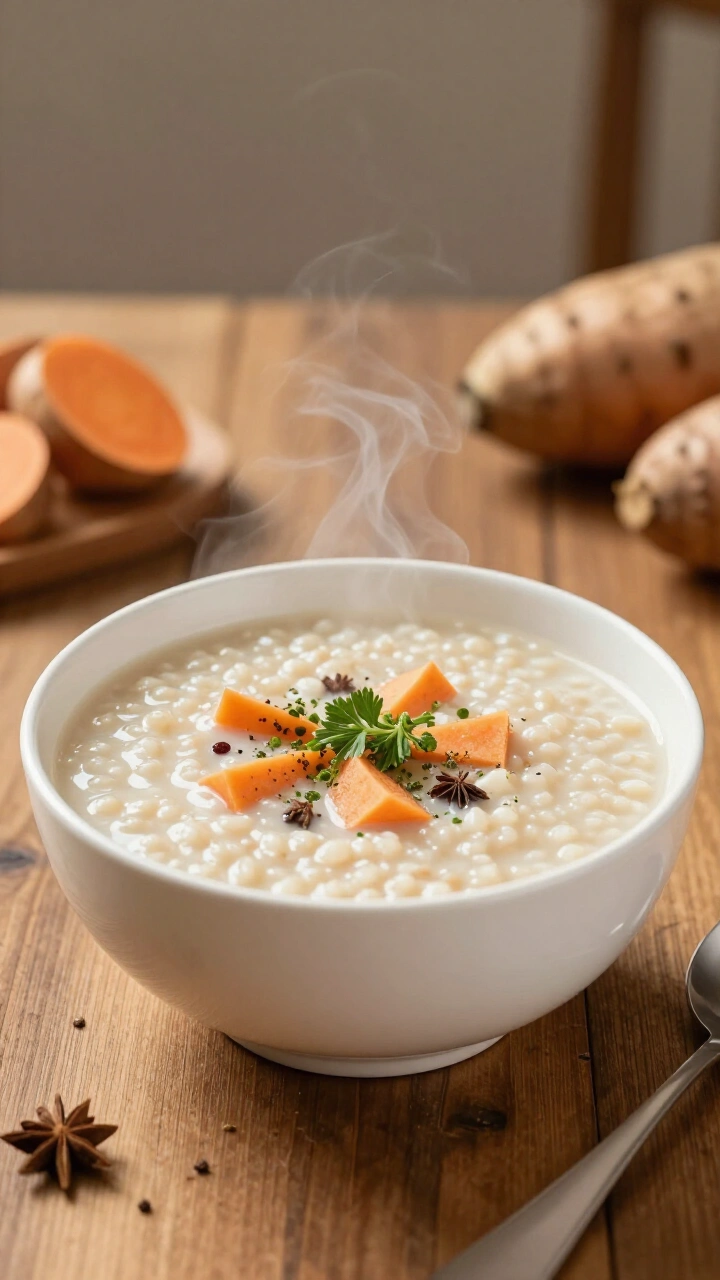
This recipe serves 4 people and takes about 40–50 minutes from start to finish. Here’s exactly how to do it:
Step 1: Heat the Palm Oil
Place a wide, heavy-bottomed pot on medium heat. Add your 3 tablespoons of palm oil and let it heat up until it becomes liquid and shimmery , about 1–2 minutes. You don’t want it smoking, just hot enough to fry the aromatics.
Step 2: Build the Flavor Base
Add your chopped onion, ground crayfish, and blended pepper to the hot oil. Stir everything together and let it fry for about 3–4 minutes. You’ll hear it sizzle, the onions will soften, and the whole kitchen will start smelling incredible. This step builds the entire flavor foundation of the dish, so don’t rush it.
Step 3: Add the Proteins and Yam
Now add your washed stockfish and aporo into the pot and stir them in with the pepper base. Follow immediately with your chopped yam chunks and seasoning cube. Give everything a good stir to coat the yam in all that flavor, then pour in your 2 cups of water.
Stir once more, cover the pot, and let everything cook on medium-low heat for about 25–30 minutes, or until the yam turns completely soft. Check occasionally and add a little more water if the pot looks too dry.
Step 4: Add the Finishing Ingredients
Once the yam is soft and starting to break down slightly at the edges (that’s exactly what you want), add your ugba, fresh fish fillet, ugwu, and scent leaf. Stir everything in gently , you don’t want the fish to break apart completely, just cook through.
Cover the pot again and cook for another 5–8 minutes on low heat. The scent leaf will perfume the whole dish, the ugba will meld into the sauce, and the fish will cook through perfectly.
Step 5: Serve and Enjoy
Scoop your yam porridge into a deep bowl and serve hot. That’s it , no sides needed. This dish is completely self-contained. 🙂
The Key to Getting the Texture Right
Here’s where a lot of people go wrong with yam porridge , the texture. You want the yam to be soft but not completely mashed. Some pieces should hold their shape, while others break down slightly and thicken the sauce naturally. That contrast is what makes the dish so satisfying.
A few tips to nail the texture every time:
- Cut your yam into even-sized chunks so they all cook at the same rate
- Don’t add too much water , start with 2 cups and only add more if you need it
- Cook on medium-low heat after the initial boil; high heat makes the yam cook unevenly and stick to the pot
- Don’t stir too aggressively once the yam softens , gentle folding motions keep the pieces intact
Why Stockfish and Aporo Are Non-Negotiable
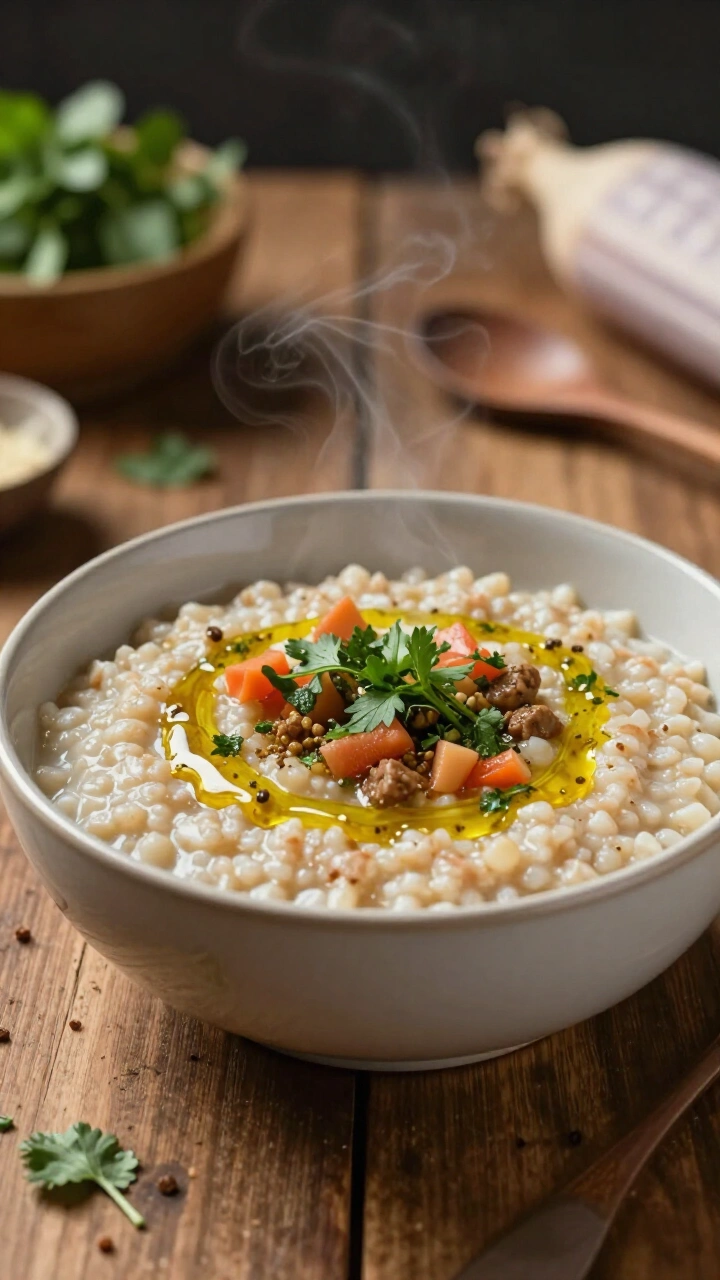
I know some people try to skip the stockfish because it requires soaking and preparation, and look , I get it, convenience matters. But please don’t. Stockfish (dried and salted codfish) brings a depth and savoriness to Nigerian yam porridge that nothing else replicates.
Aporo, the smoked fish, adds a completely different dimension , it’s smoky, bold, and slightly intense in the best way. Together, these two proteins create a layered, complex flavor that makes the dish taste like it cooked for hours, even if it didn’t.
The Nutritional Value of Yam Porridge
This dish isn’t just delicious , it’s actually quite nutritious. Here’s a breakdown of what you’re getting:
- Yam , a complex carbohydrate rich in fiber, potassium, and vitamin C; it provides sustained energy without spiking blood sugar
- Palm oil , a source of vitamin E and beta-carotene; use in moderation for balanced nutrition
- Crayfish , high in protein and calcium, with a strong umami profile
- Stockfish , an excellent lean protein source with very low fat content
- Ugwu (fluted pumpkin leaves) , one of the most nutrient-dense leafy greens in West African cooking; rich in iron, vitamin A, and folic acid
- Ugba (oil bean) , contains healthy fats and a good amount of plant-based protein
- Scent leaf , known in traditional medicine for its antibacterial properties and digestive benefits
When you add it all up, yam porridge is a genuinely balanced meal , carbohydrates, protein, healthy fats, and micronutrients all in one pot.
Yam Porridge Variations Worth Trying
Once you master the base recipe, you can start experimenting. Here are some popular variations:
Vegetarian Yam Porridge
Skip the stockfish, aporo, and fresh fish. Replace with extra crayfish, more ugba, and sliced mushrooms for a meaty texture. Add a pinch of smoked paprika to compensate for the smokiness you lose without the aporo.
Spicy Yam Porridge
Double the blended pepper and add a whole scotch bonnet to the pot while cooking. Remove the scotch bonnet before serving if you want the heat without the full intensity , or leave it in and live dangerously.
Yam and Plantain Porridge
Add a few chunks of half-ripe plantain alongside the yam. The plantain sweetness plays beautifully against the savory, smoky base and adds a slightly different texture.
Common Mistakes and How to Avoid Them
Even seasoned cooks sometimes get tripped up with yam porridge. Here are the mistakes to watch out for:
- Not washing the stockfish properly , soak it for at least 30 minutes and rinse several times to remove excess salt before adding it to the pot
- Adding the leafy greens too early , ugwu and scent leaf should go in during the final 5–8 minutes; adding them too early makes them lose their color, texture, and much of their nutritional value
- Using too much water , the dish should be thick and saucy, not watery; add water gradually
- Skipping the frying step , if you just boil everything without frying the pepper base first, the dish will taste flat and one-dimensional
- Adding ugba too early , fermented oil bean seeds become bitter if they cook for too long; always add them toward the end
Storing and Reheating Yam Porridge
Yam porridge stores well in the fridge for up to 3 days in an airtight container. When you reheat it, add a small splash of water and warm it on low heat, stirring gently to prevent it from sticking. The flavors actually deepen overnight, so day-two yam porridge is genuinely excellent.
You can also freeze it for up to one month. Thaw overnight in the fridge and reheat as above. The texture of the yam changes slightly after freezing, but the flavor stays intact.
Why Yam Porridge Deserves a Place in Your Regular Rotation
Here’s my honest take: yam porridge is one of the most satisfying, nourishing, and flavor-packed meals you can make with relatively simple ingredients. It’s a complete meal in a single pot , no side dishes needed, no complicated techniques required, and no special equipment beyond a good pot and a wooden spoon.
Whether you grew up eating it or you’re trying it for the first time, Nigerian yam porridge delivers. The smoky palm oil base, the soft yam, the savory proteins, the herby finish , every element works in harmony to create something genuinely special.
Make this recipe once, and it’ll earn a permanent spot in your kitchen. I’d bet on it. 🙂
Final Thoughts
Nigerian yam porridge is bold, hearty, deeply flavorful, and surprisingly easy to make at home. Use quality ingredients , real stockfish, fresh scent leaf, good palm oil , and follow the steps carefully, and you’ll get a result that tastes completely authentic every single time.
4
servings15
minutes35
minutes520
kcalIngredients
3 medium-sized yams, peeled and chopped into chunks
3 tablespoons palm oil
2 tablespoons ground crayfish
1 medium onion, chopped
2 tablespoons blended pepper (tatashe and scotch bonnet)
2 cups water
1 cup washed stockfish (okporoko), soaked overnight or pre-boiled until softened
1/2 cup aporo (smoked fish)
1 fillet fresh or seasoned fish
1 seasoning cube
1/2 cup ugba (fermented oil bean seeds)
1 handful ugwu (fluted pumpkin leaves), chopped
1 handful scent leaf (efirin), roughly torn
Directions
- Heat the palm oil in a wide, heavy-bottomed pot over medium heat until liquid and shimmering, about 1 to 2 minutes.
- Add the chopped onion, ground crayfish, and blended pepper. Stir and fry for 3 to 4 minutes until fragrant and the onion softens.
- Add the washed stockfish and smoked fish, then stir in the yam chunks and seasoning cube until well coated.
- Pour in the water, cover the pot, and cook over medium-low heat for 25 to 30 minutes, stirring occasionally and adding a little more water if needed, until the yam is very soft and beginning to break down.
- Add the ugba, fresh fish fillet, ugwu, and scent leaf. Stir gently so the fish stays intact and cook for a few more minutes until the fish is cooked through and the porridge is thick and well combined.
- Remove from heat and serve warm.
Notes
- If using very dry stockfish, soak or boil it first so it softens properly. Serve with extra scent leaf on top for a fresher aroma.

About the author
Written by Arman
Hi, I'm Muhammad Arman, a healthy food expert who is passionate about helping you build a better life through real, nourishing food. I share simple, practical tips and clean recipes because I truly believe that eating well should feel good, not complicated.
Published April 16, 2026 Updated May 27, 2026