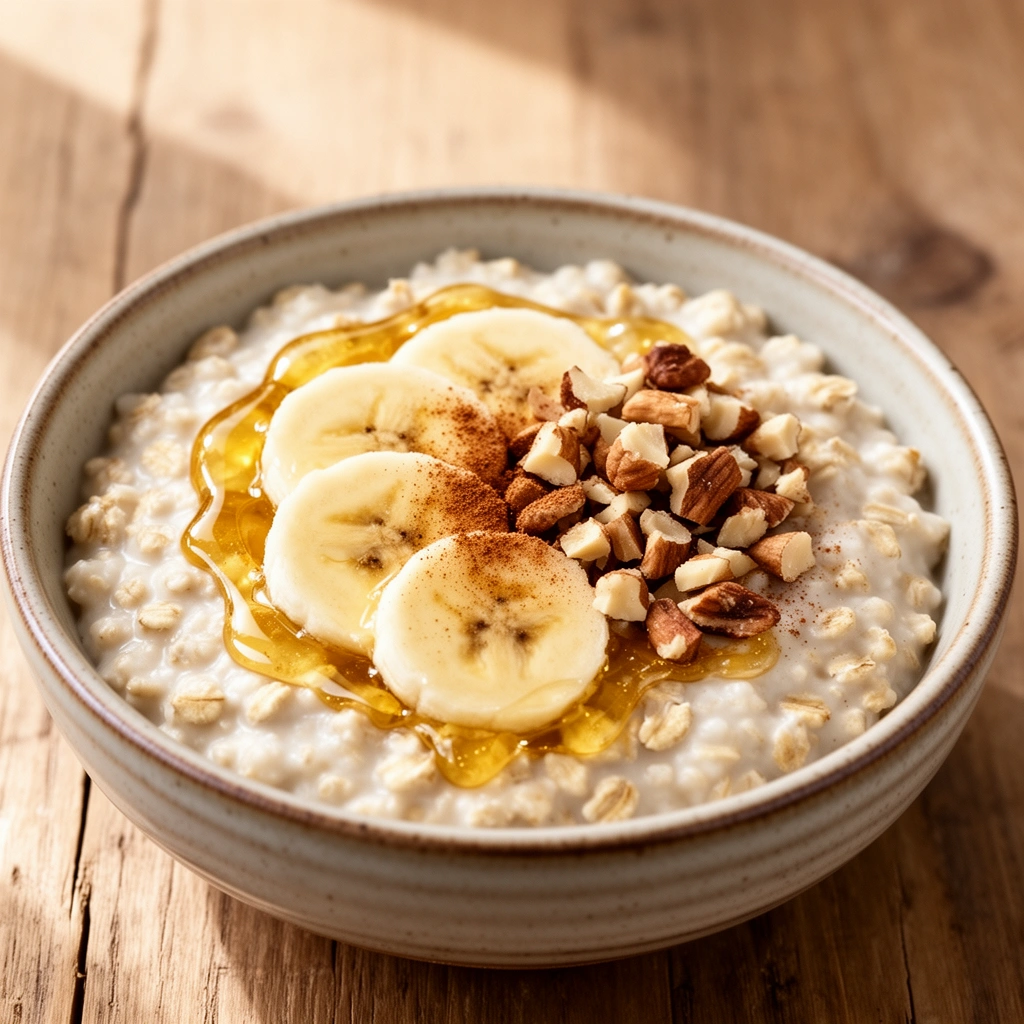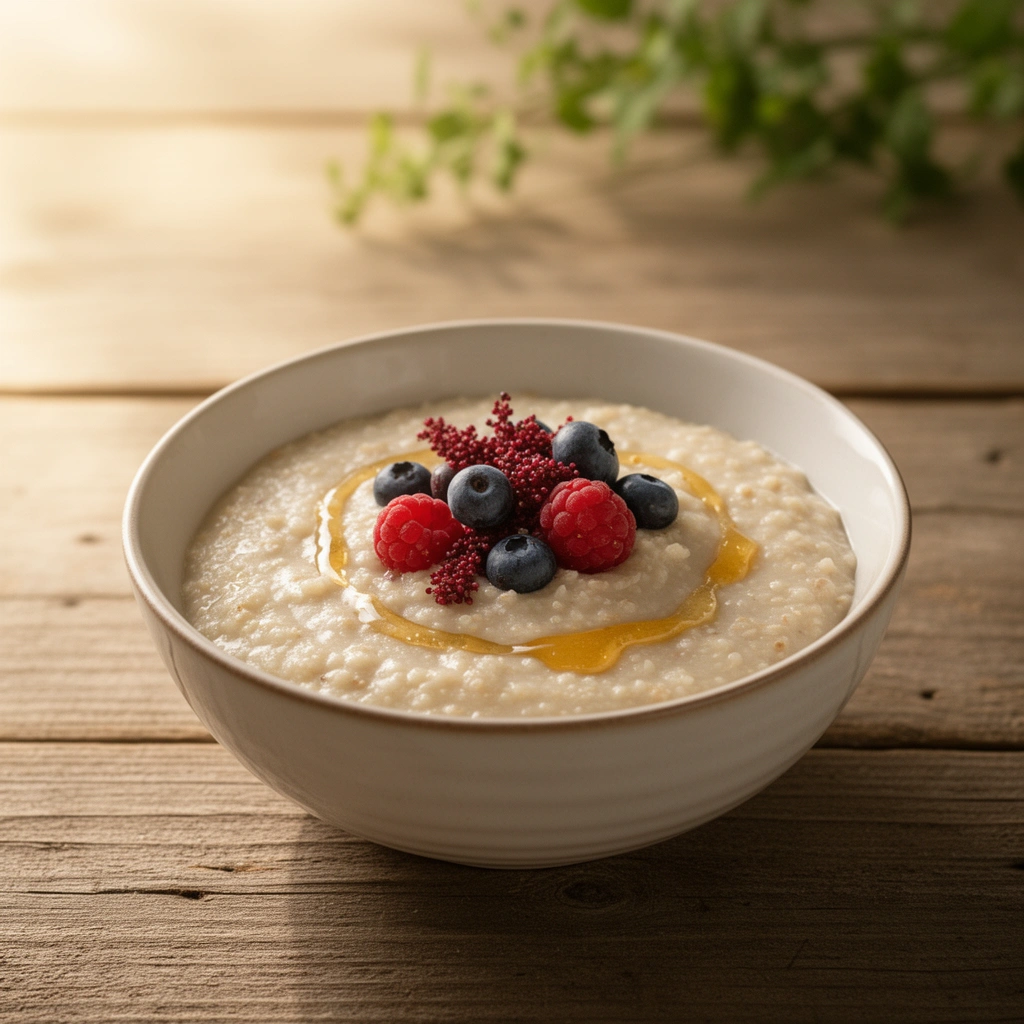

Let me be honest with you , I slept on amaranth for years. I kept seeing it in health food stores, picking it up, reading the label, and putting it back down. Oats felt safe. Familiar. Comfortable. But the day I finally cooked amaranth into a warm, creamy porridge topped with juicy mango and crushed almonds? Yeah, I never looked back.
What Even Is Amaranth? (And Why Should You Care?)
Amaranth is an ancient grain , technically a seed , that humans have been eating for thousands of years. The Aztecs were big fans, and honestly, they were onto something. It’s naturally gluten-free, incredibly nutrient-dense, and cooks into the most satisfying, slightly nutty porridge you can imagine.
Here’s why amaranth deserves a permanent spot in your pantry:
- It contains all nine essential amino acids, making it a complete protein source , rare for plant foods
- It’s naturally gluten-free, which makes it a great oat alternative for anyone with sensitivities
- It’s loaded with iron, calcium, and fibre , nutrients most of us genuinely struggle to get enough of
- It has a mild, slightly earthy flavour that pairs beautifully with both sweet and savoury toppings
IMO, amaranth is one of the most underrated breakfast ingredients out there, and I’m on a personal mission to change that.
What You’ll Need: The Ingredients
This recipe makes 2 servings, with each serving coming out to about ¾ cup of porridge. Simple, wholesome, and nothing you’d struggle to find.
The Ingredient List
- ½ cup raw amaranth
- 300 ml milk (lactose-free, fat-free, or regular cow’s milk , your call)
- 2 tbsp jaggery, grated
- 5–6 drops vanilla essence (I personally used vanilla beans, but the extract works just as well , or you can skip it entirely)
- A pinch of cinnamon powder
- ½ mango, chopped finely
- 6–8 almonds, crushed
A quick note on the milk: I’ve made this with both regular cow’s milk and lactose-free milk, and both work beautifully. The fat-free version makes the porridge slightly lighter, while full-fat gives it an extra creaminess that feels indulgent without being heavy.
How to Make Amaranth Porridge: Step-by-Step
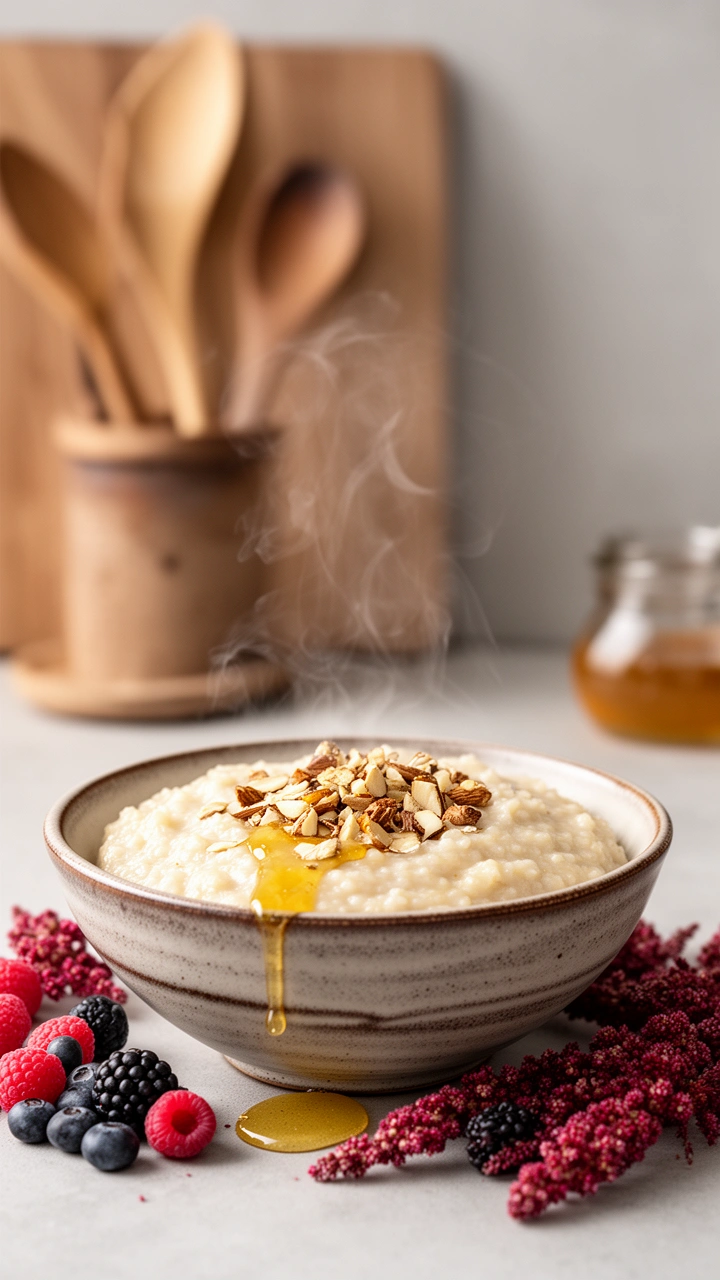
Don’t let the pressure cooker step scare you , this is genuinely one of the easier breakfast recipes once you get the hang of it.
Step 1: Soak the Amaranth
Soak your ½ cup of raw amaranth in water for 2 hours before cooking. This softens the seeds, reduces cooking time, and makes the porridge creamier. Don’t skip this step , you’ll thank yourself later 🙂
Step 2: Pressure Cook the Amaranth
Drain the soaked amaranth and pressure cook it with 300 ml of fresh water for 4–5 whistles. When you open the cooker, the consistency should already look porridge-like or slightly dry. That’s exactly what you want , you’re building the base here.
Step 3: Warm the Milk
In a separate vessel, warm your 300 ml of milk over medium heat and add your vanilla essence (or scrape in those vanilla bean seeds if you’re going the fancy route). You want it warm, not boiling , just enough to infuse the flavour.
Step 4: Combine and Cook
Add the cooked amaranth, grated jaggery, and a pinch of cinnamon into the warmed milk. Stir everything together and cook on medium heat for 5–7 minutes, or until the mixture thickens into a proper porridge consistency. Keep stirring so nothing sticks to the bottom , amaranth can get clingy.
Step 5: Add Your Toppings and Serve
Spoon the porridge into your serving dish and top it with ½ finely chopped mango and 6–8 crushed almonds. The mango adds this gorgeous brightness that cuts through the warmth of the cinnamon, and the almonds give you that satisfying crunch.
Warm or Cold?
Here’s the fun part , this porridge works both ways:
- Leave it out for an hour before serving if you prefer it warm
- Refrigerate it for an hour if you want a cold, overnight-style bowl
FYI, I’ve tried it both ways and honestly? The cold version hits different in summer. It almost feels like a chilled dessert.
The Nutrition Breakdown: This Bowl Actually Works Hard
Before we get to the fun stuff (the recipe), let’s talk numbers , because this porridge isn’t just delicious, it’s legitimately impressive from a nutrition standpoint.
Per serving (¾ cup):
| Nutrient | Amount |
|---|---|
| Calories | 229 kcal |
| Protein | 9 g |
| Carbohydrates | 38 g |
| Iron | 3 g |
| Fibre | 3 g |
| Calcium | 250 mg |
That’s 9 grams of protein per serving from a plant-based grain. Combine that with the almonds and milk, and you’ve built a genuinely balanced breakfast. The 250 mg of calcium per serving is also worth highlighting , that’s roughly a quarter of your daily requirement in one bowl. Not bad for something that tastes like dessert.
Why Jaggery Instead of Sugar?
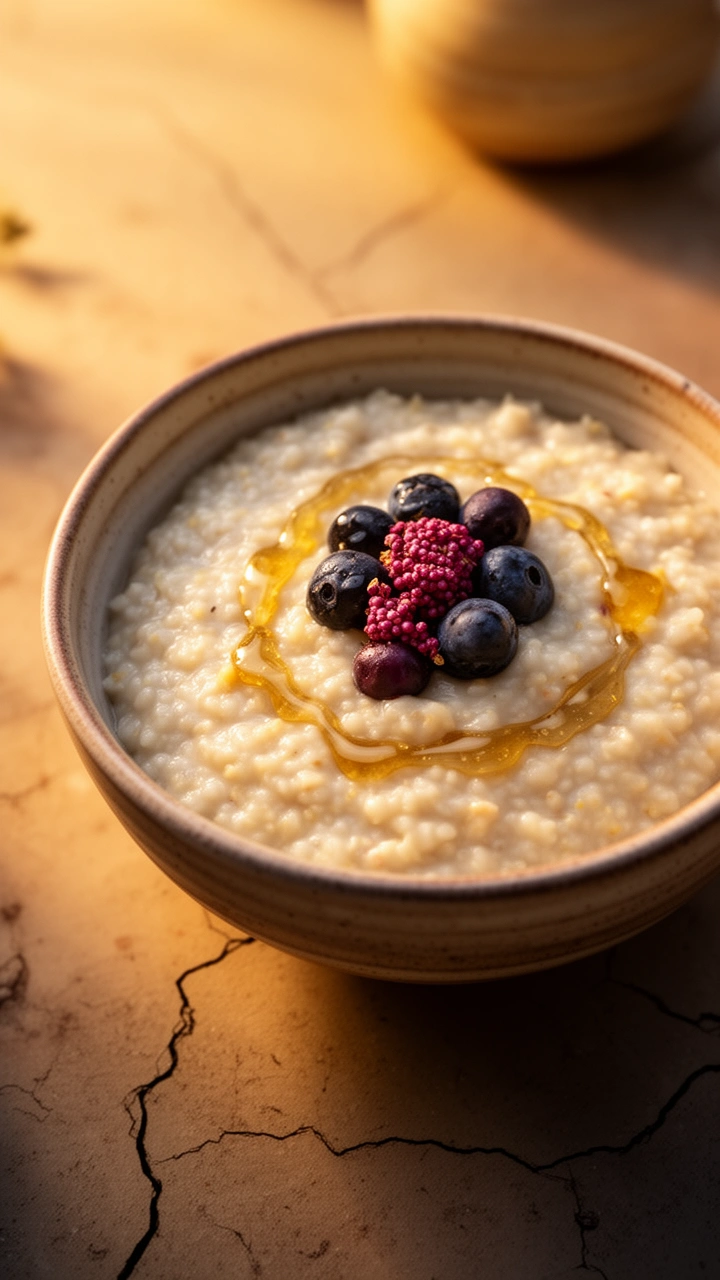
Great question. Jaggery is an unrefined natural sweetener made from sugarcane or date palm. It has a deeper, more complex sweetness than white sugar , almost caramel-like , and it dissolves beautifully into warm porridge.
Why jaggery works so well here:
- It adds a rich, molasses-like depth of flavour that sugar simply can’t replicate
- It contains small amounts of iron and minerals that refined sugar strips away
- It doesn’t spike your blood sugar as sharply as white sugar does
- It pairs perfectly with cinnamon and vanilla, creating a warm, spiced sweetness
If you can’t find jaggery, coconut sugar makes a solid substitute. Regular honey works too, though it changes the flavour profile slightly.
Amaranth Porridge vs. Oatmeal: An Honest Comparison
I know what some of you are thinking , “I already have oatmeal, why bother?” Fair. Let me give you a straight comparison.
| Amaranth Porridge | Oatmeal | |
|---|---|---|
| Protein (per serving) | ~9 g | ~5 g |
| Gluten-free | Yes (naturally) | Only if certified |
| Calcium | High (250 mg) | Lower |
| Texture | Creamier, slightly nutty | Thicker, more neutral |
| Prep time | Slightly longer (soaking required) | Quicker |
Oatmeal is great , I’m not here to bash it. But if you want more protein, more calcium, and a naturally gluten-free option, amaranth has a real edge. The soaking step adds some prep time, but it’s completely hands-off. You can soak it overnight and cook it in the morning without any stress.
Tips to Make Your Amaranth Porridge Even Better
A few things I’ve learned from making this regularly:
- Always soak. Un-soaked amaranth takes longer to cook and has a slightly grittier texture. Two hours makes a real difference.
- Stir frequently during the final cooking step. Amaranth thickens fast and sticks to the pan if you walk away.
- Adjust the jaggery to your taste. The 2 tbsp gives a moderate sweetness , add a little more if you like things sweeter, or reduce it if you prefer a more neutral base.
- Mix up the fruit. Mango works beautifully here, but sliced banana, berries, or even stewed apple all make excellent alternatives depending on the season.
- Try different milks. Oat milk gives a neutral sweetness, almond milk adds a subtle nuttiness, and coconut milk makes the porridge ultra-rich and tropical-feeling.
Who Should Try This Recipe?
Honestly? Almost anyone. But this amaranth porridge particularly suits:
- People looking for high-protein breakfasts that aren’t eggs or protein shakes
- Those with gluten sensitivities who want more variety than rice or quinoa
- Anyone trying to boost calcium intake through food rather than supplements
- Meal preppers , this porridge stores well in the fridge for up to 2 days
- Parents looking for nutritious, toddler-friendly breakfast options (just go easy on the jaggery)
Final Thoughts: Give Amaranth a Chance
If your breakfast routine has started feeling a bit :/ , same ingredients, same flavours, same morning autopilot , amaranth porridge is exactly the kind of shake-up you need. It’s warm, creamy, naturally sweet, and genuinely nourishing in a way that keeps you going until lunch without reaching for a snack at 10 AM.
Make it once, and it’ll earn a regular spot in your rotation. Top it with that mango and those crushed almonds, and you’ve got something that feels special even on a Tuesday morning. Ancient grain, modern breakfast , that’s the kind of upgrade I can fully get behind.
Now go soak that amaranth. Future-you will be grateful.
2
servings10
minutes30
minutes285
kcalIngredients
1/2 cup raw amaranth
300 ml milk (lactose-free, fat-free, or regular cow’s milk)
2 tbsp jaggery, grated
5–6 drops vanilla essence (or vanilla bean seeds)
A pinch of cinnamon powder
1/2 mango, finely chopped
6–8 almonds, crushed
Directions
- Soak the raw amaranth in water for 2 hours, then drain well.
- Pressure cook the soaked amaranth with 300 ml fresh water for 4–5 whistles until it becomes porridge-like.
- Warm the milk in a separate vessel over medium heat and stir in the vanilla essence.
- Add the cooked amaranth, grated jaggery, and cinnamon to the warmed milk.
- Cook over medium heat for 5–7 minutes, stirring often, until thick and creamy.
- Spoon into bowls and top with chopped mango and crushed almonds before serving.
Notes
- If the porridge thickens too much after standing, loosen it with a splash of warm milk. It also works well with banana or berries instead of mango.

About the author
Written by Arman
Hi, I'm Muhammad Arman, a healthy food expert who is passionate about helping you build a better life through real, nourishing food. I share simple, practical tips and clean recipes because I truly believe that eating well should feel good, not complicated.
Published April 27, 2026 Updated May 27, 2026