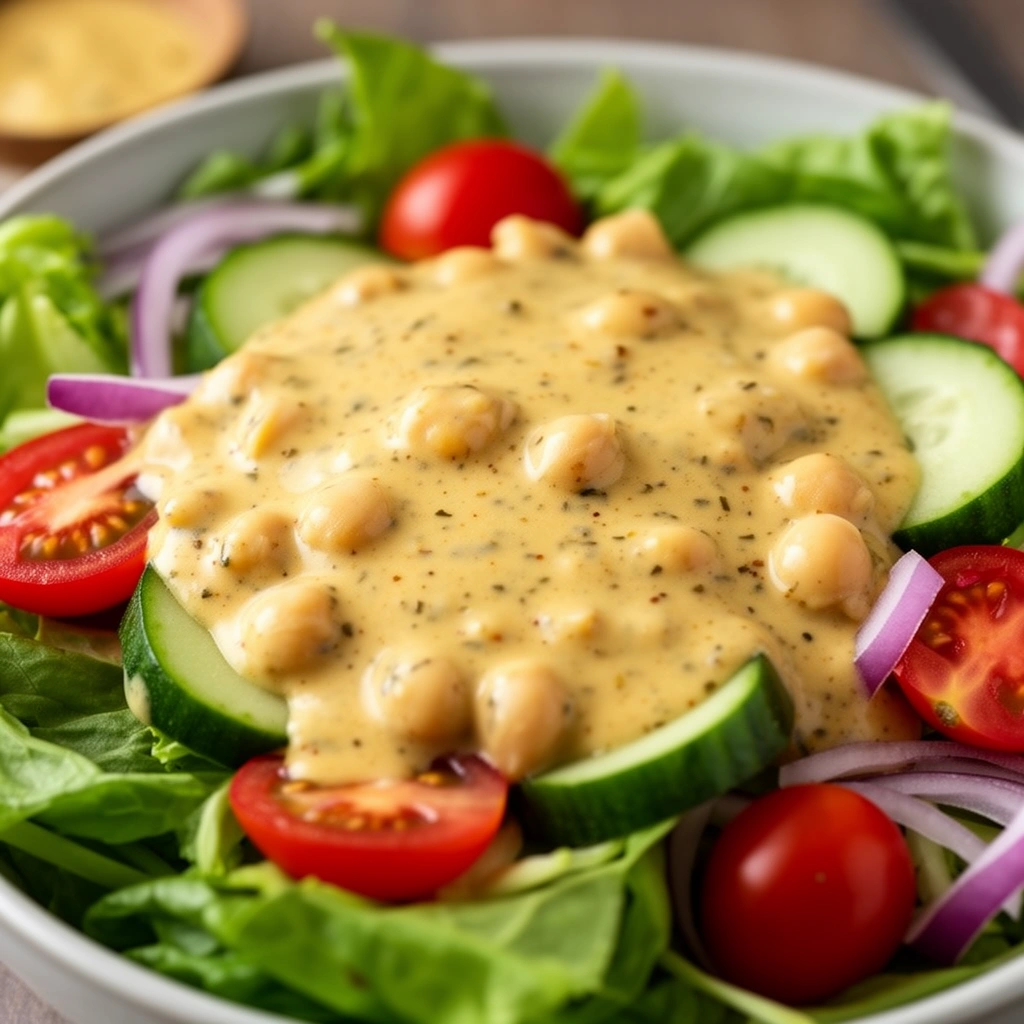
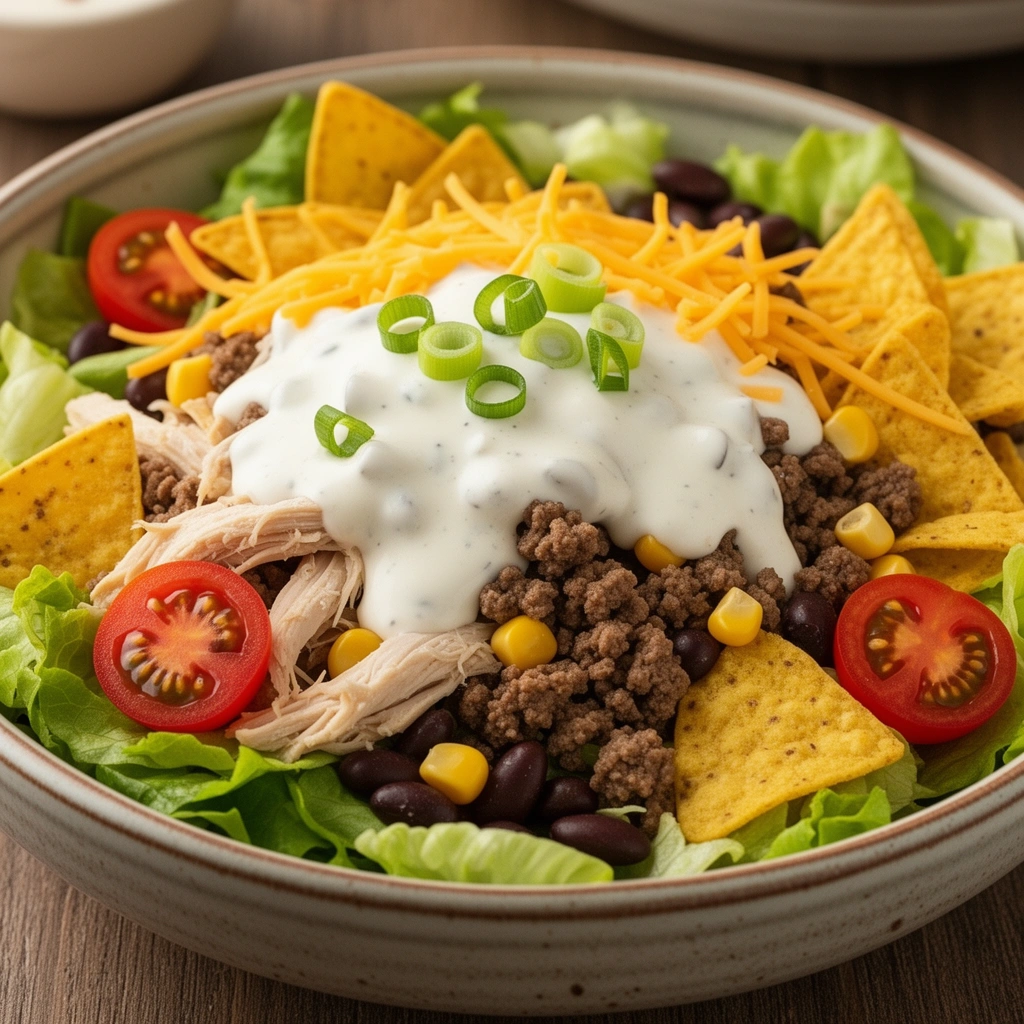
You know that moment when you taste a salad at a restaurant and think, “Why does this taste so much better than mine at home?” Nine times out of ten, the answer is the dressing. And if you want bold, tangy, restaurant-worthy flavor without spending a dime on bottled stuff, red wine vinegar salad dressing is where it starts.
Why Red Wine Vinegar Is the Star of the Show
Not all vinegars are created equal, and red wine vinegar brings something unique to the table. It carries a bold, slightly fruity acidity that cuts through rich ingredients like feta cheese, olives, or roasted vegetables without tasting harsh.
Compared to white wine vinegar (milder, more delicate) or apple cider vinegar (sweeter, earthier), red wine vinegar hits a sweet spot. It holds up beautifully in a classic vinaigrette and adds real depth to heartier salads like grain bowls or Mediterranean-style plates.
The Classic Red Wine Vinegar Salad Dressing Recipe
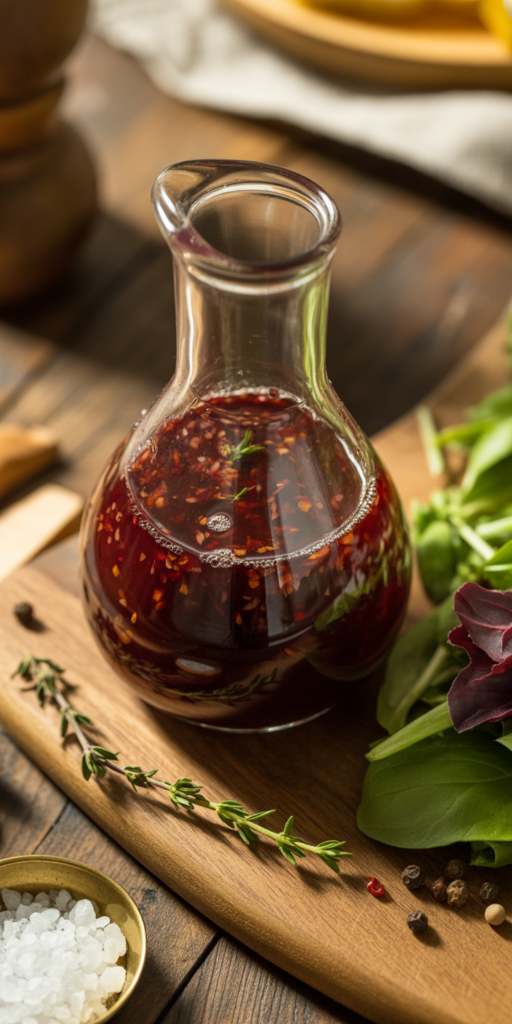
This is the base recipe I come back to again and again. It is simple, balanced, and endlessly customizable.
Ingredients
- 3 tablespoons red wine vinegar
- 1/2 cup extra virgin olive oil
- 1 teaspoon Dijon mustard
- 1 small garlic clove, minced (or 1/4 teaspoon garlic powder)
- 1/2 teaspoon honey or maple syrup
- 1/2 teaspoon dried oregano
- 1/4 teaspoon fine sea salt
- 1/4 teaspoon black pepper
Instructions
- Add the red wine vinegar, Dijon mustard, minced garlic, honey, oregano, salt, and pepper to a small bowl or jar.
- Slowly whisk in the olive oil until the dressing emulsifies and looks cohesive.
- Taste and adjust. Want more tang? Add another splash of vinegar. Want it smoother? Add a little more honey.
- Use immediately or store for later (more on that below).
Pro tip: A mason jar works perfectly here. Just add everything, screw on the lid, and shake. Done in 30 seconds flat.
Variations Worth Trying
Greek-Style Red Wine Vinegar Dressing
Add 1/2 teaspoon dried thyme, 1/4 teaspoon onion powder, and a squeeze of lemon juice. This version works brilliantly over cucumber-tomato salads or grilled chicken.
Creamy Red Wine Vinegar Dressing
Whisk in 2 tablespoons of plain Greek yogurt or 1 tablespoon of tahini. You get a thicker, creamier texture that works great as a dip or drizzle over grain bowls.
Herb-Forward Version
Swap dried oregano for 1 tablespoon of fresh chopped herbs like basil, parsley, or chives. Fresh herbs brighten everything up and make this dressing feel extra fancy with zero extra effort.
Shallot and Caper Version
Add 1 minced shallot and 1 teaspoon of capers (rinsed and roughly chopped). This one is my personal favorite for Niçoise-style salads or roasted vegetable plates.
What to Dress With This Dressing
Not every dressing works on every salad, but red wine vinegar dressing plays well with a wide cast of characters. Here are the best pairings:
- Classic garden salads with romaine, tomatoes, cucumbers, and red onion
- Greek salad with kalamata olives, feta, and pepperoncini
- Grain bowls with farro, quinoa, or freekeh
- Lentil salads (the acidity cuts through the earthiness beautifully)
- Roasted vegetable salads with eggplant, zucchini, or bell peppers
- Pasta salads where you want bright, punchy flavor
- Chickpea salads for a protein-packed lunch

FYI, this dressing also makes a fantastic quick marinade for chicken, shrimp, or firm tofu. Just let your protein soak for 30 minutes before cooking.
How to Store Red Wine Vinegar Salad Dressing
Homemade dressing does not have preservatives, so proper storage matters. Here is what you need to know:
Refrigerator Storage
- Store the dressing in an airtight glass jar or container in the refrigerator.
- It keeps well for up to 1 week.
- The olive oil will solidify slightly when cold. That is completely normal. Just let it sit at room temperature for 5 to 10 minutes before using, then shake or whisk again to re-emulsify.
Counter Storage (Short-Term)
- If you plan to use the dressing within 2 to 3 hours, you can leave it at room temperature.
- Do not leave it out longer than that, especially if you used fresh garlic, shallots, or fresh herbs, as these can spoil faster.
Freezing (Not Recommended)
- Freezing causes the olive oil to separate and the emulsion to break permanently. Skip it.
Best Practices
- Always use a clean spoon when scooping out dressing to avoid contaminating the batch.
- Label your jar with the date you made it so you never have to play “how long has this been in there?” 🙂
- If the dressing smells off or looks murky beyond normal separation, toss it and make a fresh batch. It only takes five minutes anyway.
Common Mistakes to Avoid
Even a simple recipe like this has a few pitfalls. Here is what trips people up:
- Skipping the emulsifier. Without Dijon mustard or a similar binder, your oil and vinegar will separate almost instantly. The mustard is not optional.
- Using low-quality olive oil. You taste olive oil in a vinaigrette. Use something decent. It does not need to be expensive, but it should be labeled “extra virgin.”
- Over-dressing the salad. Start with less than you think you need. You can always add more, but a soggy salad is a sad salad.
- Not tasting before serving. Every batch tastes slightly different depending on your vinegar brand and garlic strength. Always taste and adjust before it hits the bowl.
The Nutritional Picture
One serving (about 2 tablespoons) of this dressing gives you:
- Calories: Roughly 130 to 150 kcal
- Fat: 14 to 15g (mostly heart-healthy monounsaturated fat from olive oil)
- Carbohydrates: Less than 1g (from the honey)
- Sodium: Around 150mg
Compare that to most store-bought dressings, which often pack in added sugar, canola oil, and sodium well above 300mg per serving. Making it at home puts you firmly in control of every single ingredient.
Final Thoughts
Red wine vinegar salad dressing is one of those kitchen staples that rewards you every time you make it. It costs almost nothing, takes five minutes, and tastes genuinely better than anything you will find in a bottle at the grocery store.
Start with the base recipe, get comfortable with the ratios, and then experiment. Try the Greek version one week, go creamy the next. The formula is flexible enough that you will never get bored.
If you have been relying on bottled dressing, this is your sign to stop. Make a batch this week, toss it over a big bowl of greens, and see what you have been missing. Your salads deserve better, and now you know exactly how to deliver.
6
servings10
minutes20
minutes140
kcalIngredients
3 tablespoons red wine vinegar
1/2 cup extra virgin olive oil
1 teaspoon Dijon mustard
1 small garlic clove, minced (or 1/4 teaspoon garlic powder)
1/2 teaspoon honey or maple syrup
1/2 teaspoon dried oregano
1/4 teaspoon fine sea salt
1/4 teaspoon black pepper
Directions
- Add the red wine vinegar, Dijon mustard, minced garlic, honey, oregano, salt, and pepper to a small bowl or jar.
- Slowly whisk in the olive oil until the dressing emulsifies and looks cohesive.
- Taste and adjust. Add more vinegar for extra tang or a little more honey for a smoother dressing.
- Use immediately or store in an airtight container in the refrigerator.
Notes
- Shake or whisk again before serving if it separates. For the best texture, let refrigerated dressing sit at room temperature for 5 to 10 minutes before using.

About the author
Written by Arman
Hi, I'm Muhammad Arman, a healthy food expert who is passionate about helping you build a better life through real, nourishing food. I share simple, practical tips and clean recipes because I truly believe that eating well should feel good, not complicated.
Published May 2, 2026 Updated May 8, 2026