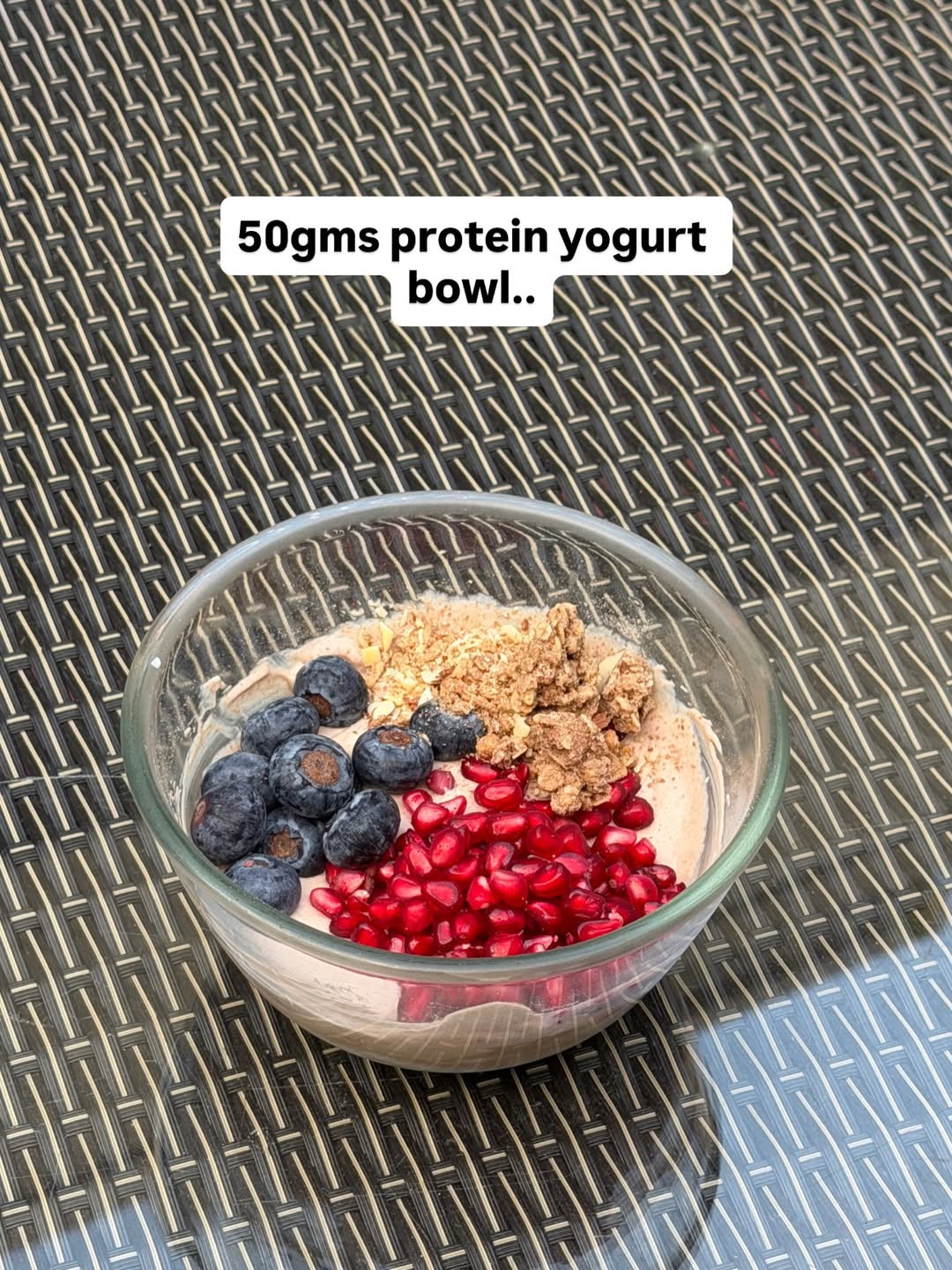
Let’s be real — most breakfasts lie to you. They promise energy and satisfaction, then leave you raiding the snack drawer by 10am. A high protein yogurt bowl doesn’t do that. It delivers real nutrition, real flavor, and enough staying power to actually get you through your morning. I started making these about two years ago when I got serious about hitting my protein goals without choking down another sad protein shake, and honestly? I haven’t looked back.
Why Protein at Breakfast Actually Matters
You’ve probably heard that protein is important, but here’s the thing — timing matters too. Eating 25–30 grams of protein at breakfast helps regulate hunger hormones, stabilizes blood sugar, and reduces the urge to snack impulsively before lunch.
Most standard breakfasts — cereal, toast, a banana — fall way short of that target. A well-built yogurt bowl, though? It can hit that number easily and still taste like something you actually want to eat. That’s the whole point.
What Protein Does for Your Body in the Morning
- Reduces ghrelin (your hunger hormone) so you feel satisfied longer
- Supports muscle repair and growth, especially if you work out in the mornings
- Boosts metabolism slightly through the thermic effect of food
- Improves focus and mood by supporting neurotransmitter production
Not bad for something you can throw together in five minutes, right?
Choosing the Right Yogurt Base
The yogurt you pick makes or breaks this bowl. Not all yogurts deliver equal protein, and some are basically dessert wearing a health halo.
Greek Yogurt vs. Regular Yogurt
Greek yogurt wins here, no contest. The straining process removes excess liquid (whey), which concentrates the protein significantly. A standard 3/4 cup serving of plain Greek yogurt contains roughly 15–20 grams of protein depending on the brand, compared to 5–8 grams in regular yogurt.
- Greek yogurt: ~17g protein per 170g serving, thick and creamy
- Regular yogurt: ~5–8g protein per 170g serving, thinner texture
- Skyr (Icelandic-style): Similar to Greek, often 17–20g protein, slightly tangier
IMO, full-fat Greek yogurt tastes significantly better than fat-free versions, and the fat content actually helps you absorb fat-soluble nutrients from your toppings. Don’t fear the fat here.
What to Look for on the Label
Before you grab any tub off the shelf, flip it over and check:
- At least 15g protein per serving
- No more than 8g of added sugar (plain is always best)
- Live and active cultures listed in the ingredients
- Simple ingredient list — milk and cultures, that’s it
Brands like Fage Total 2%, Chobani Plain, and Siggi’s consistently deliver on all these fronts.
Making Your High Protein Yogurt Bowl
Here’s where the fun starts. A great bowl has four components: a protein-rich base, a protein booster, nutrient-dense toppings, and a flavor element. Hit all four and you’ve got something genuinely satisfying.
The Protein Booster
Your yogurt base gets you most of the way there, but adding one protein booster pushes the bowl into serious macro territory.
Top options:
- Hemp seeds (3 tbsp = ~10g protein) — mild, nutty flavor, blends seamlessly
- Collagen peptides (1 scoop = ~10g protein) — flavorless, dissolves completely
- Nut butter (2 tbsp = ~7g protein) — adds healthy fats and richness
- Cottage cheese mixed in (1/4 cup = ~7g protein) — sounds weird, tastes great, I promise
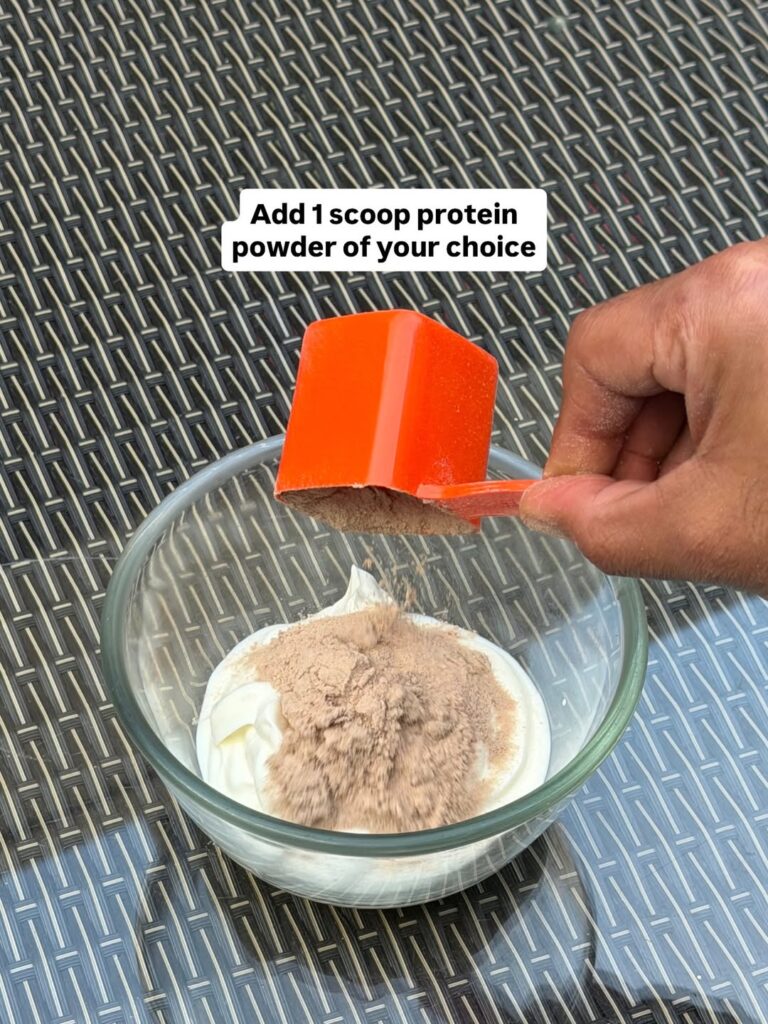
I personally stir a scoop of unflavored collagen into my yogurt before adding anything else. It bumps the total protein up without changing the taste or texture at all. Total game changer.
Smart Toppings That Add Nutrition (Not Just Calories)
Toppings should earn their place in the bowl. Every addition should bring something to the table — fiber, healthy fat, micronutrients, or natural sweetness.
Fruit picks:
- Berries (blueberries, raspberries, strawberries) — antioxidants, fiber, low sugar
- Banana slices — natural sweetness, potassium, pairs beautifully with nut butter
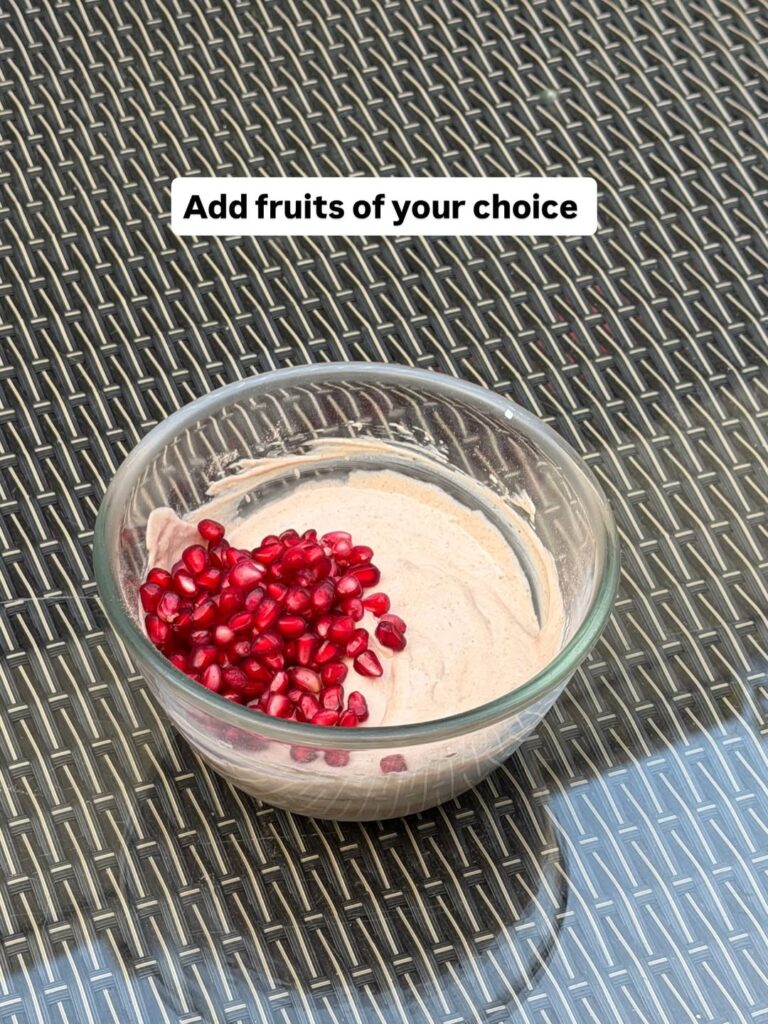
- Pomegranate seeds — crunchy, slightly tart, loaded with polyphenols
Crunch factors:
- Granola — choose low-sugar options; adds texture and some complex carbs
- Chopped almonds or walnuts — healthy fats, extra protein, satisfying crunch
- Pumpkin seeds — 5g protein per ounce, incredibly underrated topping
Flavor elevators:
- Cinnamon — anti-inflammatory, naturally sweet without adding sugar
- Raw honey or pure maple syrup — just a drizzle goes a long way
- Vanilla extract — half a teaspoon transforms the whole bowl
The High Protein Yogurt Bowl Recipe
Here’s the exact build — simple, fast, and seriously effective.
Ingredients
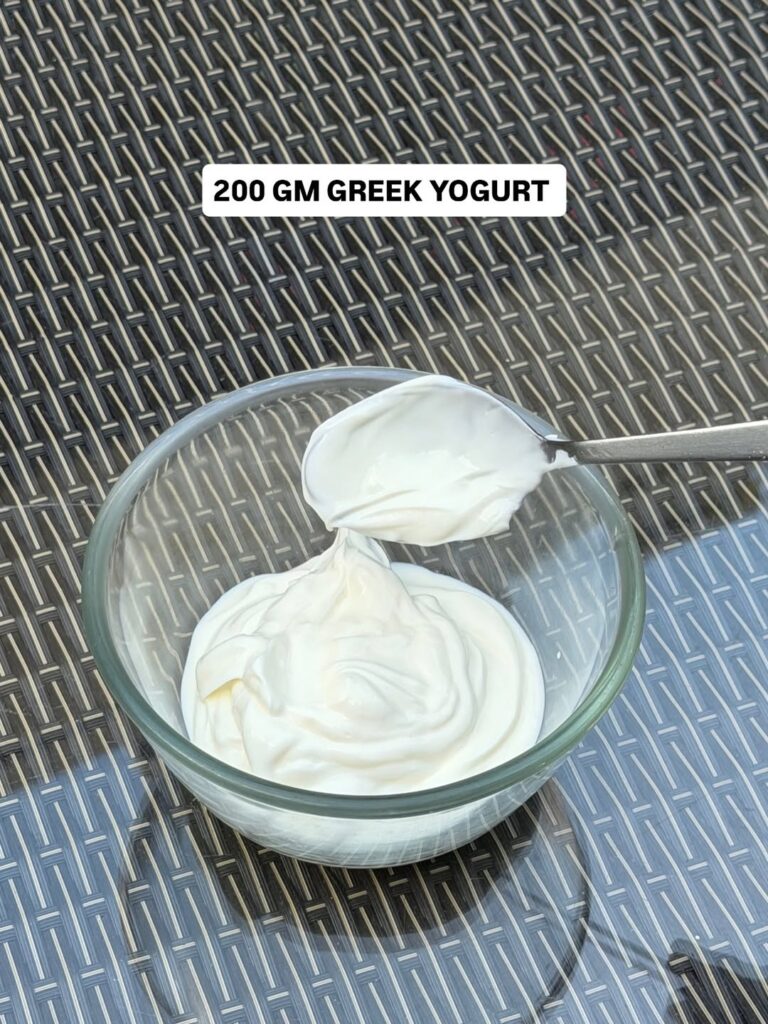
- Greek yogurt – 200g
- Protein powder – 1 scoop
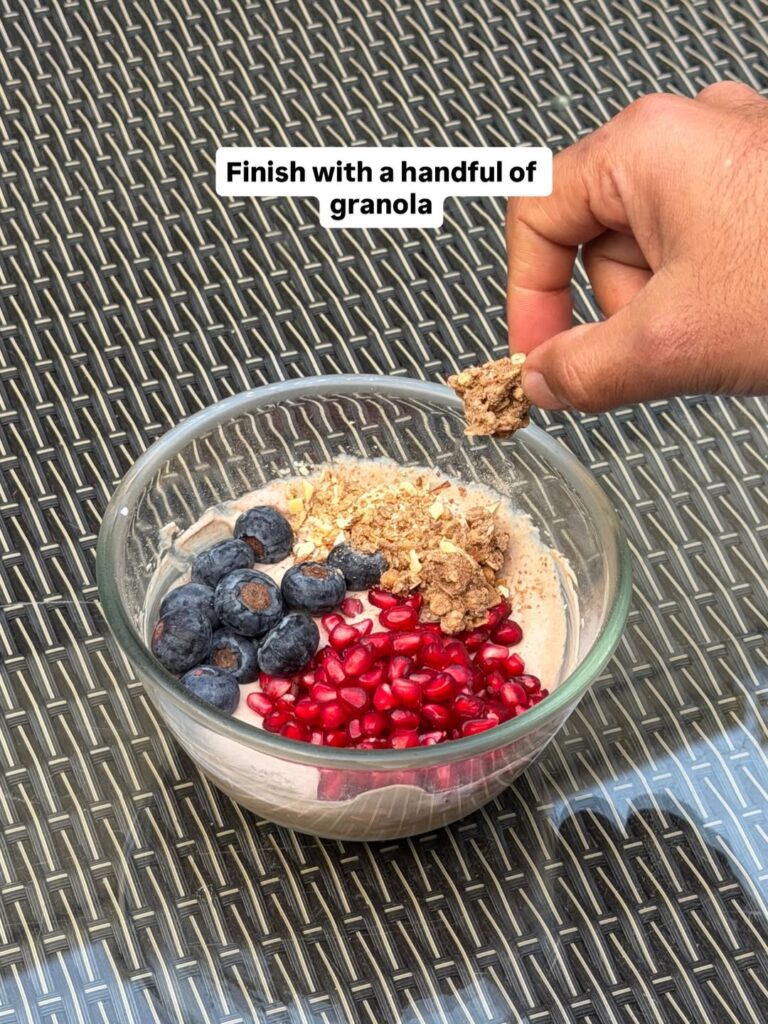
- Pomegranate seeds – 1 small handful
- Blueberries – 1 small handful
- Granola – 1 small handful
Method
Add Greek yogurt to a bowl and mix in one scoop of protein powder until smooth. Top with fresh pomegranate, blueberries, and granola.
Flavor Combinations Worth Trying
Eating the same bowl every day gets old fast. Here are a few combos that keep things interesting without requiring any extra effort 🙂
PB&J Yogurt Bowl
- Greek yogurt base + protein powder
- Peanut butter swirled in
- Fresh strawberries or raspberry jam (no added sugar)
- Crushed peanuts on top
Tropical Protein Bowl
- Skyr base + protein powder
- Mango chunks, pineapple, kiwi
- Toasted coconut flakes
- Drizzle of honey
Chocolate Lover’s Bowl
- Greek yogurt + chocolate protein powder
- Banana slices
- Dark chocolate chips (a small handful)
- Almond butter drizzle
FYI — the chocolate bowl basically tastes like dessert for breakfast, and I have zero guilt about eating it regularly.
Meal Prep Your Yogurt Bowls
If morning chaos is real in your house (same), you can absolutely prep yogurt bowls ahead of time. The trick is knowing what to pre-assemble and what to add fresh.
What Keeps Well Overnight
- Yogurt + protein powder — mix these together and refrigerate
- Chia seeds — they actually improve overnight as they absorb liquid
- Cinnamon, vanilla, nut butter — all hold up perfectly
What to Add Fresh
- Granola — add it right before eating so it stays crunchy
- Berries and pomegranate — add fresh for best texture and bite
- Seeds — add fresh for best crunch
Prep three or four bases on Sunday and just grab-and-top each morning. You’ll thank yourself every single weekday.
Common Mistakes That Wreck a Good Bowl
Even a simple recipe has pitfalls. Here’s what to avoid:
- Choosing flavored yogurt — most flavored varieties pack 20+ grams of added sugar per serving. Start with plain and sweeten it yourself.
- Going overboard on granola — granola is calorie-dense. Two tablespoons adds texture; half a cup adds a surprising amount of sugar and calories.
- Skipping the protein powder — yogurt alone rarely hits 30g protein. That scoop makes a real difference.
- Underestimating liquid content — if you blend in fruit, the bowl can get watery. Strain or pat fruit dry before adding.
Is a High Protein Yogurt Bowl Right for You?
This bowl works for almost everyone — athletes, busy parents, students, remote workers who keep forgetting to eat actual meals. The flexibility is one of its best qualities. You control the macros, the flavor, the prep time, and the ingredients.
If you’re working toward a specific protein goal, trying to reduce snacking, or just want a breakfast that tastes good and actually fuels your day, a high protein yogurt bowl delivers on all fronts. It’s not trendy diet food — it’s just smart, simple eating.
The Bottom Line
A high protein yogurt bowl isn’t complicated, and that’s exactly why it works. Start with plain Greek yogurt, mix in your protein powder, then layer on pomegranate, blueberries, and granola. You’ll land somewhere between 30–40 grams of protein without trying very hard at all.
Give it a week of consistent mornings and notice how differently you feel before lunch. My bet is you’ll stop reaching for that mid-morning snack entirely. Now go build your bowl — your future self at 11am will be very, very grateful.
Leave a Reply