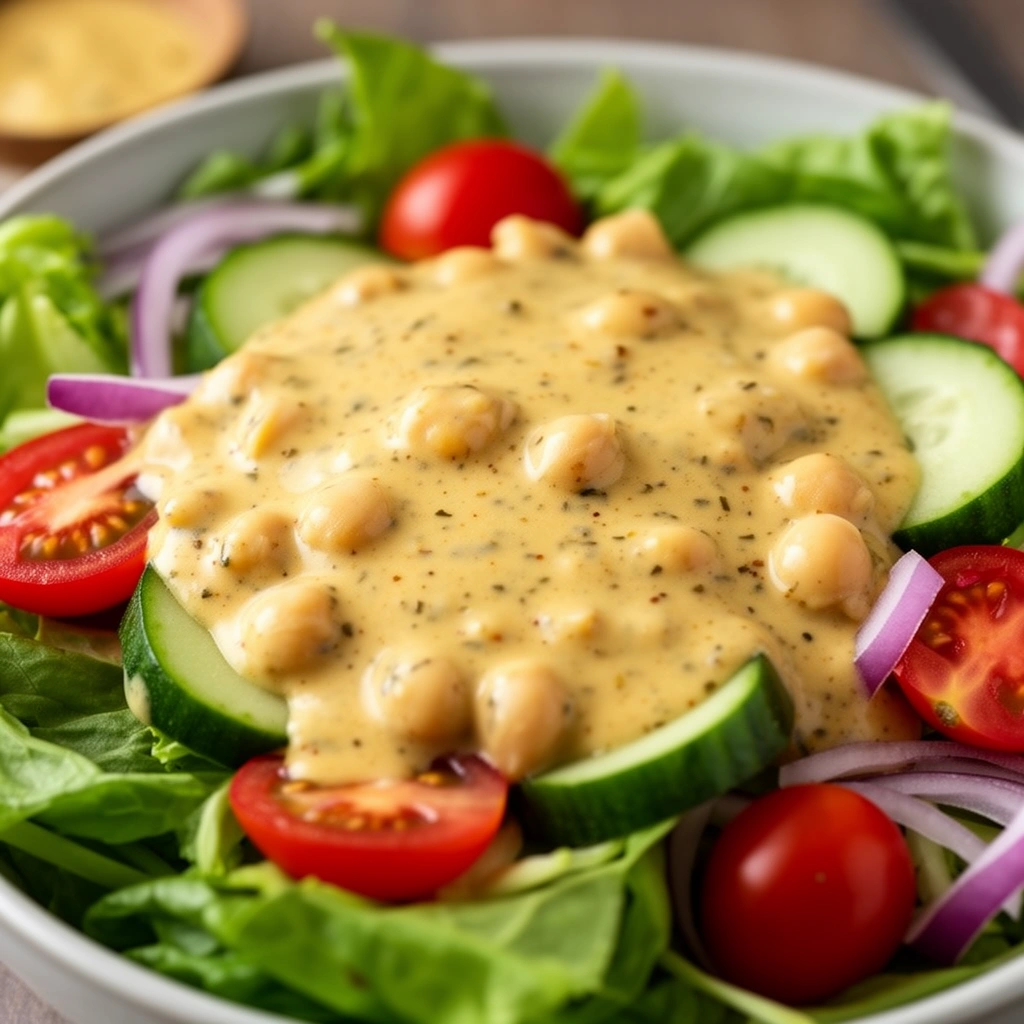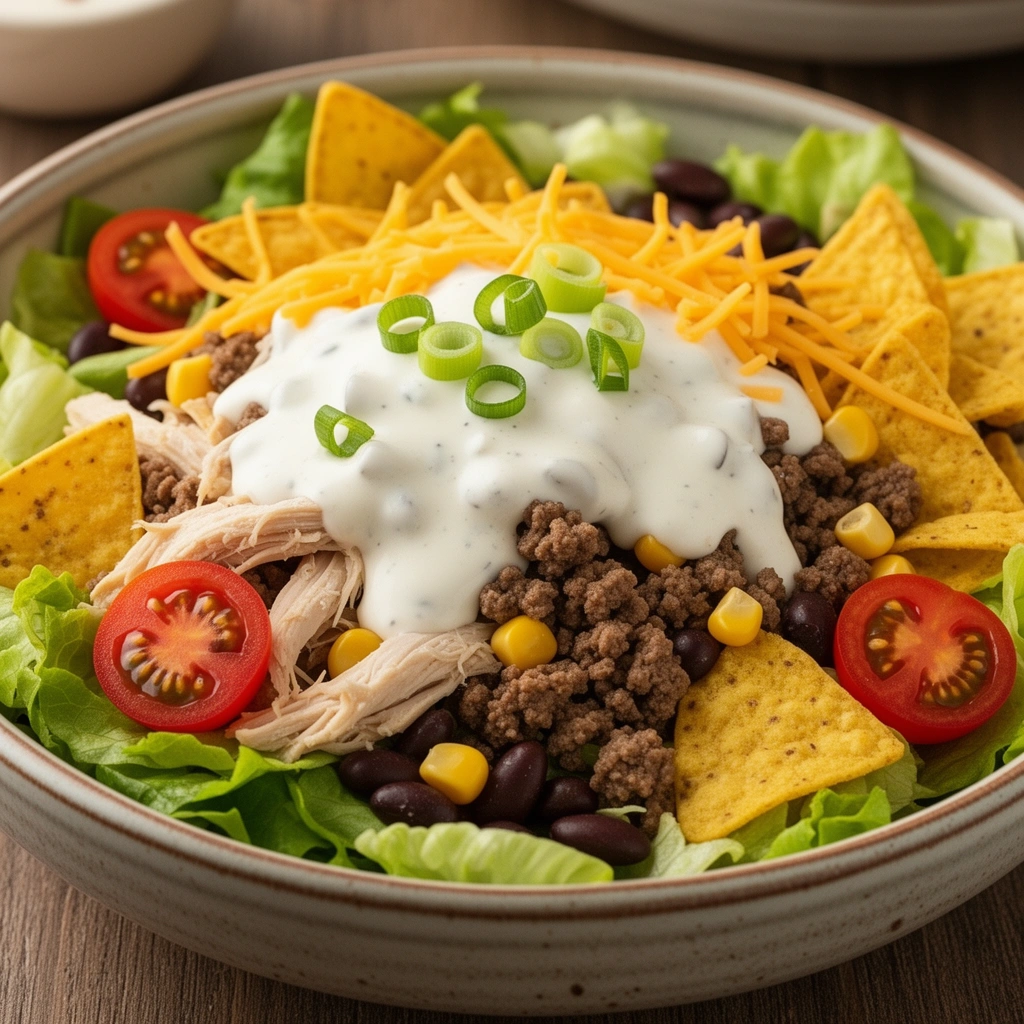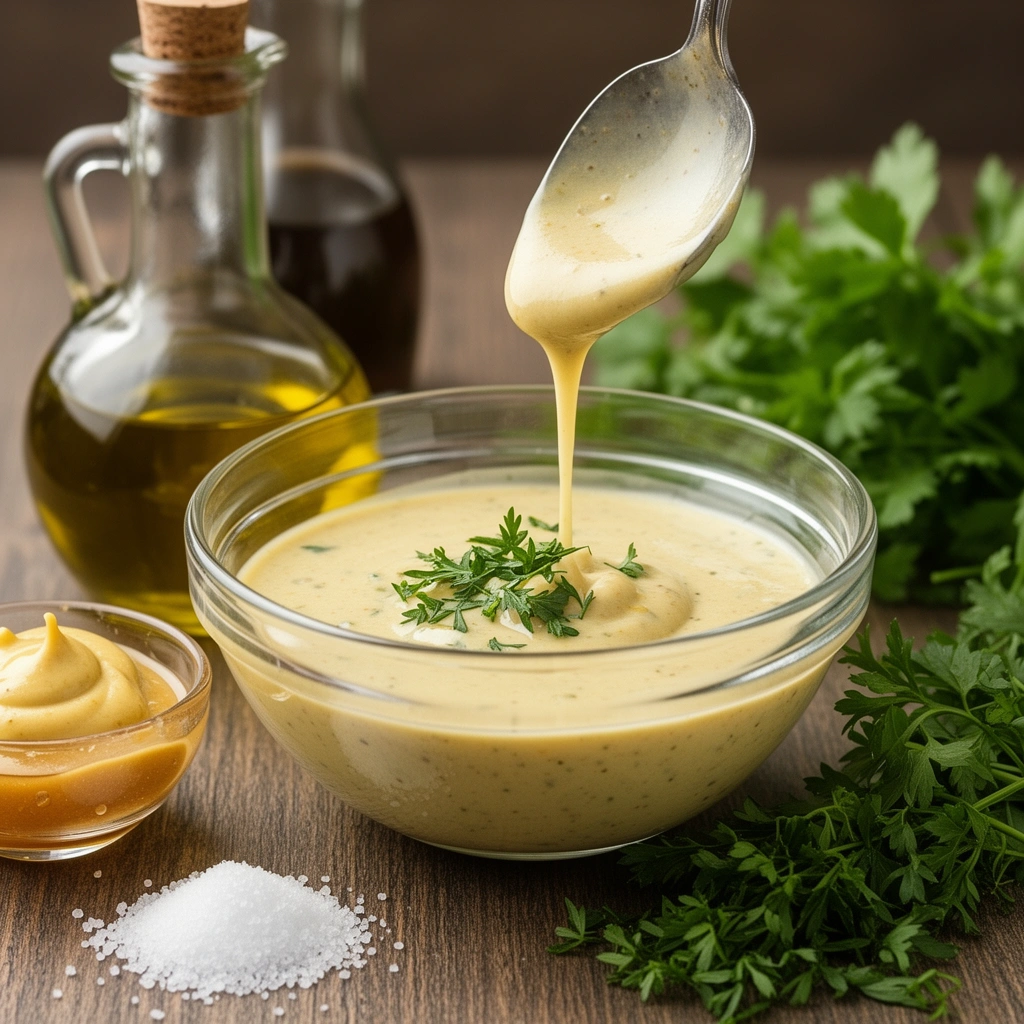

Ever looked at a salad and thought, “Meh, it’s just greens and veggies”? Well, friend, that’s where homemade salad dressing comes in. A good dressing can turn a boring bowl into a flavor-packed masterpiece. And guess what? Making your own is easier than you think, and it’s way better than store-bought stuff that’s full of preservatives. So, grab your whisk and let’s get into the art of salad dressing making, trust me, it’s an upgrade you’ll thank yourself for.
Why Make Your Own Salad Dressing?
Before we jump into recipes, let’s chat about why DIY dressing beats the bottled stuff.
- Control over ingredients: No weird preservatives or excess sugar.
- Customizable flavors: Want tangy? Creamy? Spicy? Make it your way.
- Cost-effective: A bottle of good oil and vinegar lasts ages.
- Freshness: Nothing beats the taste of fresh, homemade dressing.
Plus, once you get the hang of it, you’ll be surprised how versatile and fun it is. I’ve experimented with dozens of recipes, and honestly, I’ve never looked back.
Basic Components of Salad Dressing
Understanding the building blocks helps you create endless flavor combos. Here’s what makes up most dressings:
The Base
- Oil: Extra virgin olive oil is classic, but avocado, walnut, or sesame oils work wonders too.
- Acid: Vinegar (balsamic, red wine, apple cider) or citrus juice (lemon, lime) for tanginess.
Flavor Enhancers
- Sweeteners: Honey, maple syrup, or a pinch of sugar to balance acidity.
- Salt & Pepper: Always season to taste; it’s the magic touch.
- Mustard: Dijon adds a nice tang and helps emulsify.
Optional Boosters
- Garlic, herbs, spices, or even a splash of soy sauce for extra oomph.
How To Make Basic Salad Dressing: The Simple Method
Here’s the tried-and-true method I use every time. It’s practically foolproof.
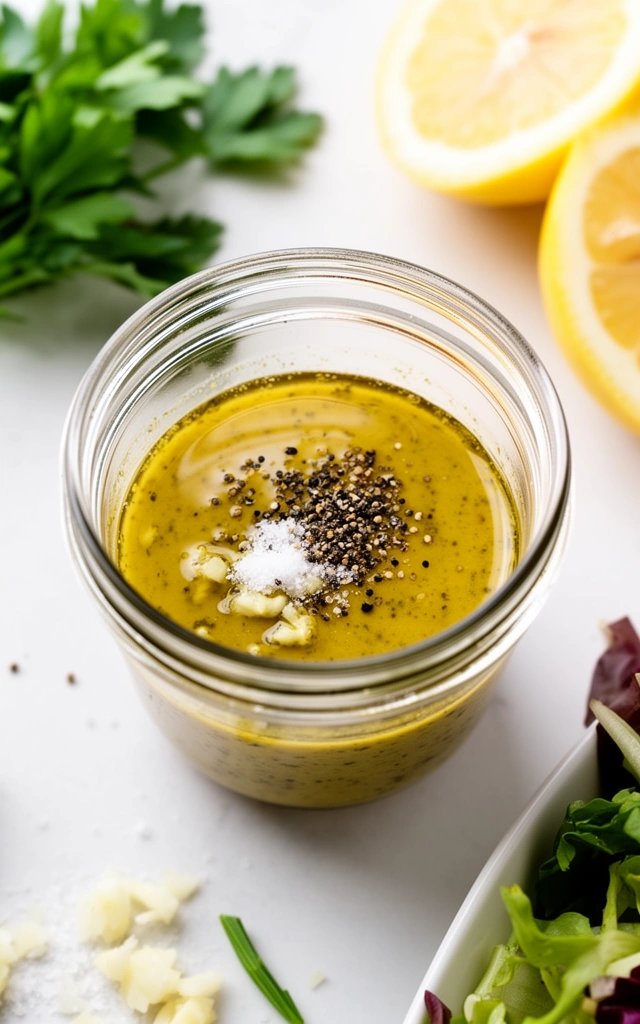
Ingredients:
- 1/2 cup extra virgin olive oil
- 1/4 cup vinegar (balsamic, red wine, or apple cider)
- 1 teaspoon Dijon mustard
- 1 teaspoon honey (or maple syrup)
- 1 clove garlic, minced (or 1/2 teaspoon garlic powder)
- Salt and pepper to taste
Instructions:
- Combine the acid, mustard, and sweetener: In a small bowl or jar, whisk together vinegar, Dijon mustard, honey, and garlic until smooth.
- Slowly add the oil: While whisking, slowly pour in the olive oil. This helps emulsify the mixture, making it creamy and cohesive.
- Season: Add salt and pepper to taste. Adjust acidity or sweetness if needed.
- Taste and tweak: Always taste your dressing before tossing it with greens. Want more tang? Add a splash of lemon. Sweeten? More honey.
Pro tip:
Use a jar with a lid and shake vigorously if you prefer less whisking.
Creative Variations to Elevate Your Salad Game
Once you’ve nailed the basic recipe, here are some ideas to make your dressing stand out:
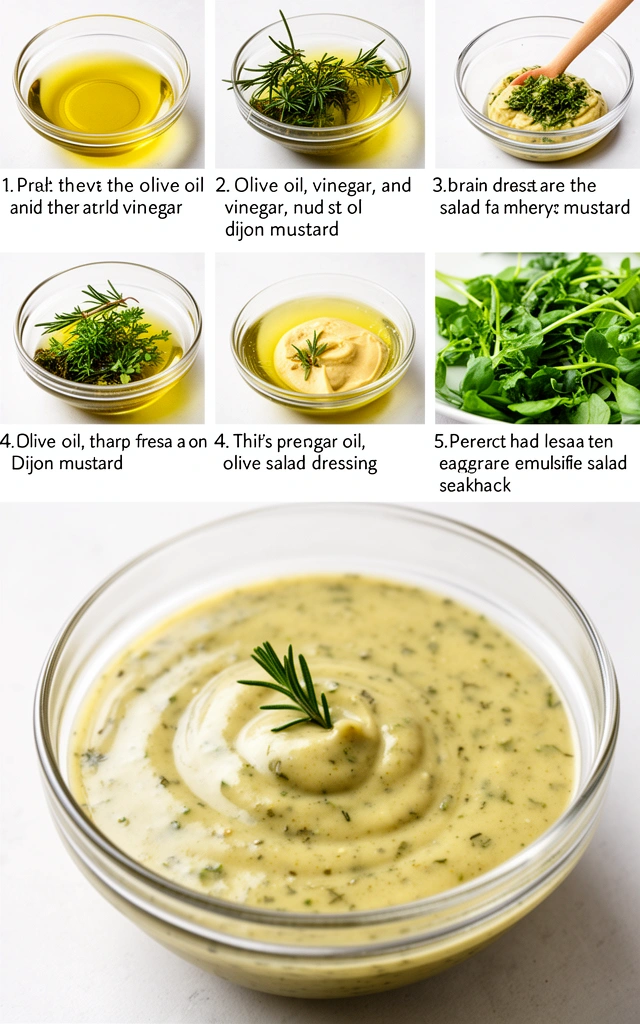
Herb-Infused Dressing
- Add chopped fresh herbs like basil, parsley, or dill.
- For a Mediterranean vibe, toss in oregano and thyme.
Creamy Style
- Mix in Greek yogurt or mayonnaise for a creamy texture.
- Perfect for a Caesar or ranch-inspired dressing.
Spicy Kick
- Add a pinch of cayenne or a dash of hot sauce.
- A splash of Sriracha can transform a simple vinaigrette into a spicy delight.
Sweet & Tangy
- Incorporate fruit preserves or chopped fruit like mango or apple chunks.
- Use orange juice instead of vinegar for a citrus twist.
How To Store Salad Dressing Properly
Now, you’ve whipped up an amazing dressing. How do you keep it fresh?
- Use an airtight container: A clean jar or bottle works best.
- Refrigerate: Most dressings last about 1-2 weeks in the fridge.
- Shake before use: Separation happens naturally, so give it a good shake.
- Check for spoilage: Smell and taste before pouring if it’s been sitting a while.
Tip: If your dressing thickens in the fridge, let it sit at room temperature for a few minutes or warm it slightly and shake.
Tips for Perfect Salad Dressings Every Time
- Balance is key: Too much vinegar or oil can throw off the flavor. Start small and adjust.
- Emulsify well: Whisk or shake vigorously to combine oil and acid.
- Taste as you go: Always taste and tweak. Every vinegar has a different potency.
- Use quality ingredients: Good olive oil and fresh herbs make a big difference.
Final Thoughts
Making your own salad dressing isn’t just easy; it’s a game-changer. Once you start experimenting with flavors, you’ll wonder why you ever bought bottled dressing. Plus, you get to impress friends with your culinary skills, bonus points for presentation!
Next time you’re craving a salad, remember: a simple homemade dressing can elevate every bite. So, go grab some ingredients, and start blending. Your taste buds will thank you! 😊
Summary
- Homemade salad dressings are easy, customizable, and way tastier than store-bought.
- Use a simple base of oil and vinegar, then add your favorite flavors.
- Emulsify by whisking or shaking, and season to taste.
- Store in an airtight container in the fridge for up to 2 weeks.
- Experiment with herbs, spices, and textures to create your signature dressing.
Ready to become a dressing maestro? Grab that bottle of olive oil and get mixing, you might just find your new favorite salad combo!
6
servings5
minutes170
kcalIngredients
1/2 cup extra virgin olive oil
1/4 cup vinegar (balsamic, red wine, or apple cider)
1 teaspoon Dijon mustard
1 teaspoon honey (or maple syrup)
1 clove garlic, minced (or 1/2 teaspoon garlic powder)
Salt and pepper to taste
Directions
- In a small bowl or jar, whisk together vinegar, Dijon mustard, honey, and garlic until smooth.
- While whisking, slowly pour in the olive oil to emulsify the mixture until creamy and cohesive.
- Add salt and pepper to taste. Adjust acidity or sweetness if needed.
- Taste your dressing before tossing with greens. Add more lemon for tang or more honey as desired.
- Alternatively, combine everything in a jar with a lid and shake vigorously until well mixed.
Notes
- Store in an airtight container in the fridge for up to 2 weeks. Shake well before each use as separation is natural. If the dressing thickens when cold, let it sit at room temperature for a few minutes before using. Try adding fresh herbs, a pinch of cayenne, or Greek yogurt for creative variations.

About the author
Written by Arman
Hi, I'm Muhammad Arman, a healthy food expert who is passionate about helping you build a better life through real, nourishing food. I share simple, practical tips and clean recipes because I truly believe that eating well should feel good, not complicated.
Published May 17, 2026 Updated June 1, 2026