Olive Garden Salad Dressing Copycat
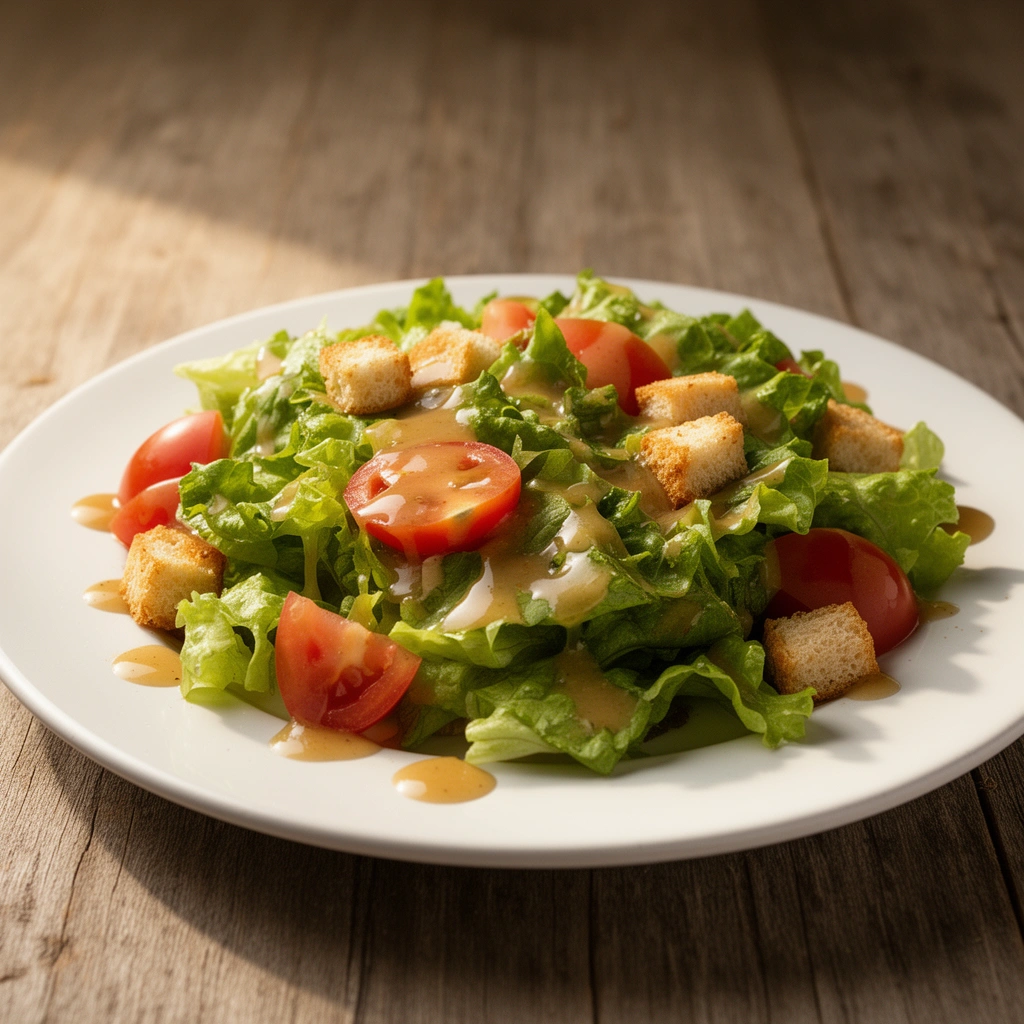
You know that moment at Olive Garden when the salad arrives and everyone at the table suddenly stops talking? That’s the dressing doing its job. Tangy, herby, with just enough richness to coat every leaf perfectly it’s genuinely one of the best Italian dressings out there. And once I figured out how to recreate it at home, I stopped buying salad dressing altogether.
Why Bother Making It at Home?
Olive Garden actually sells their dressing in bottles at the restaurant and in some grocery stores. So why make your own? Because homemade beats bottled on every front , flavor, freshness, and the ability to tweak it exactly to your taste.
Here’s the honest case for making it yourself:
- No preservatives or additives , just real ingredients you can actually pronounce
- You control the balance , too tangy? Add more honey. Too rich? Dial back the oil
- It costs a fraction of the bottled version when you break it down per serving
- It takes about three minutes , seriously, a jar and a good shake and you’re done
IMO, once you taste it fresh, the bottled version just doesn’t hit the same way.
The Homemade Olive Garden Salad Dressing Recipe
This recipe makes two massive salads worth of dressing , plenty for a family dinner or to have on hand for the week. Every ingredient plays a specific role, so read through before you start.
Ingredients
- ¾ cup extra virgin olive oil (or any neutral oil you prefer)
- ½ cup white wine vinegar , the tangy base that gives this dressing its signature bite
- 1 tablespoon lemon juice , brightens everything up and adds a fresh citrus lift
- ¼ cup Parmesan cheese, finely grated , brings savory, salty depth
- 1 tablespoon fresh parsley, finely chopped , adds color and a clean, herby freshness
- 1 clove garlic, finely minced , essential; don’t skip this one
- 1 teaspoon dried oregano , the backbone Italian herb of this dressing
- 1 teaspoon dried basil , rounds out the Italian herb profile alongside the oregano
- 1 teaspoon chili flakes (red pepper flakes) , a subtle heat that wakes the whole thing up
- ½ teaspoon salt, or to taste
- ½ teaspoon black pepper, or to taste
- 1 tablespoon honey (or agave for a vegan version) , balances the vinegar’s sharpness
- 1 tablespoon mayonnaise (optional) , adds creaminess and body; swap for plain Greek yogurt or vegan yogurt if needed
Instructions
Step 1: Combine everything. Add all the ingredients to a mason jar or salad dressing bottle. Seal it tightly and shake vigorously for about 30 seconds until everything comes together evenly. Alternatively, add everything to a medium bowl and whisk until fully combined.
Step 2: Taste with intention. Dip a piece of lettuce into the dressing and taste it , this is the most important step. Lettuce tells you what the dressing will actually taste like on your salad. Adjust based on what you taste:
- Too acidic? Add a little more honey or agave
- Too tangy? Add a splash more olive oil or a dollop of mayonnaise
- Want more tang? Add a bit more white wine vinegar
Step 3: Let it rest. You can serve it immediately, but the dressing genuinely gets better after sitting in the fridge for a few hours. The garlic mellows, the herbs bloom, and all the flavors knit together into something that tastes way more complex than the ingredient list suggests.
Step 4: Shake before serving. The oil and vinegar will separate as the dressing sits , that’s completely normal. Give it a good shake or stir before you pour it, and you’re good to go.
How to Store Your Dressing
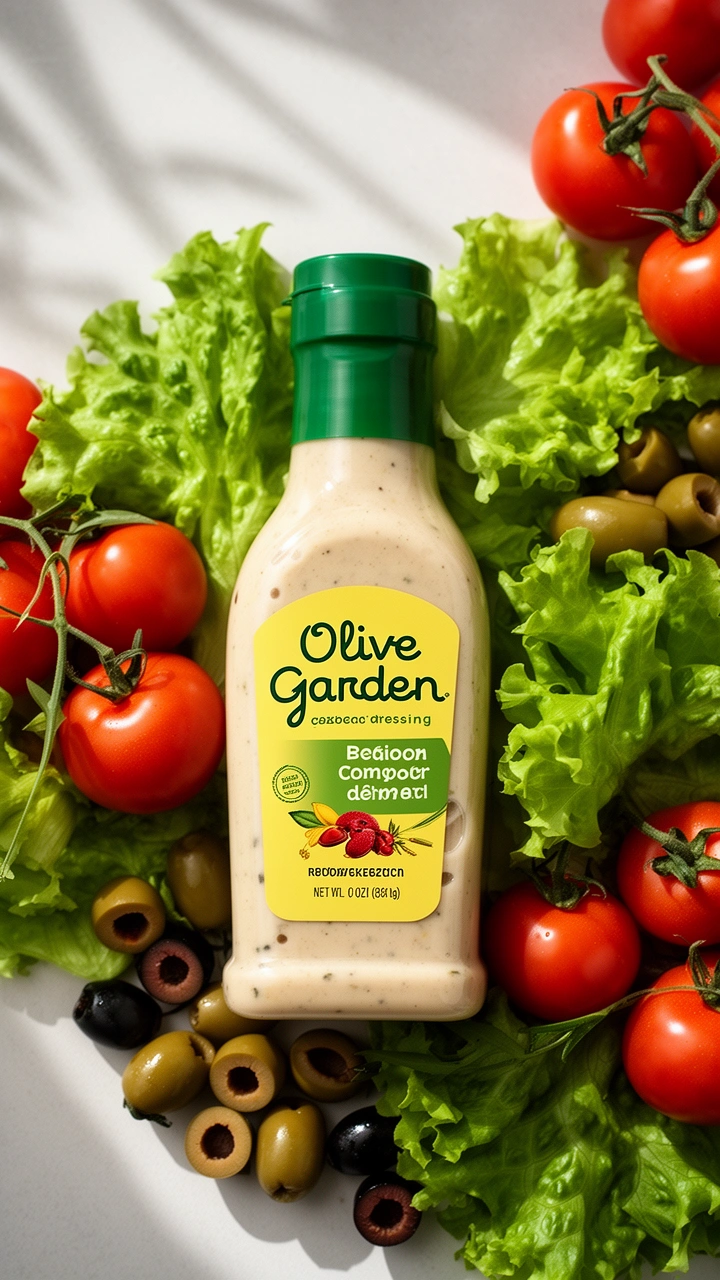
Homemade dressing without preservatives has a shorter shelf life than the bottled stuff, but it’s still very practical for weekly meal prep.
- Store in a sealed mason jar or glass bottle in the refrigerator
- Use within 5–7 days for the best flavor
- Always shake or stir before serving , separation is natural and doesn’t mean anything went wrong
- The garlic flavor intensifies over time, so if you want a milder garlic taste, use the dressing within the first two days
What to Serve With Olive Garden Dressing
The classic Olive Garden salad uses romaine lettuce, black olives, pepperoncini, red onion, cherry tomatoes, and croutons. That combination works so well because every element has a job , the pepperoncini adds heat and tang, the olives bring brininess, and the croutons give crunch. The dressing ties all of it together.
But this dressing is genuinely versatile beyond that specific salad:
Other Great Uses
- Pasta salad , toss with cooked rotini, artichoke hearts, salami, and fresh mozzarella for an Italian pasta salad that disappears fast at potlucks
- Grilled chicken marinade , the acid from the vinegar and lemon juice tenderizes chicken beautifully; marinate for 2–4 hours before grilling
- Roasted vegetables , drizzle over zucchini, bell peppers, or asparagus before roasting for a flavor punch
- Caprese drizzle , pour a little over fresh mozzarella and tomatoes instead of plain olive oil
- Sandwich spread , brush it on focaccia or ciabatta before building an Italian sub
Frequently Asked Questions

Can I make this without a mason jar? Absolutely. A medium bowl and a whisk work perfectly. The jar method is just faster and easier since you can store the dressing right in the jar without transferring it.
Does the dressing need to be refrigerated? Yes, always refrigerate it. The fresh garlic, Parmesan, and parsley all need to stay cold. Never leave this dressing at room temperature for more than two hours.
Can I use dried parsley instead of fresh? You can, but fresh parsley genuinely makes a difference here , both in flavor and in color. If you only have dried, use about 1 teaspoon and expect a slightly more muted herby note.
Is this dressing gluten-free? Every ingredient in this recipe is naturally gluten-free. Just double-check your Worcestershire sauce if you’re being extra careful, though this recipe doesn’t actually use it , you’re safe. 🙂
What if I don’t have white wine vinegar? White wine vinegar gives the most authentic flavor for this style of dressing, but red wine vinegar works as a substitute with a slightly bolder, deeper tang. Apple cider vinegar is a softer option if you want less acidity overall.
Homemade vs. Bottled: The Real Comparison
Let’s settle this honestly. The Olive Garden bottled dressing you find at the store isn’t bad. It’s convenient, it’s consistent, and it tastes recognizably like the restaurant version. But it also contains soybean oil, xanthan gum, and a list of stabilizers that keep it shelf-stable for months.
The homemade version uses extra virgin olive oil and real Parmesan , both of which taste noticeably better and actually contribute nutritional value. The texture is fresher, the herbs are more vibrant, and you can adjust everything on the fly. FYI, making your own also costs significantly less per serving when you do the math.
If you’re in a rush on a Tuesday night, the bottle works. But if you’re making a salad for people you actually care about impressing, make the homemade version. It’s a five-minute task that punches well above its effort level.
The Bottom Line
This homemade Olive Garden salad dressing hits every note the restaurant version does , tangy, herby, garlicky, with just enough sweetness to keep it from being too sharp. The ingredient list is longer than your average vinaigrette, but each one earns its spot, and the process couldn’t be simpler.
Make it once and you’ll understand why people obsess over recreating this specific dressing at home. Taste it on a piece of romaine before you dress the whole salad, adjust it to your liking, and let it sit in the fridge for a couple of hours if you have time. The difference between freshly made and rested is noticeable.
8
servings10
minutes20
minutes180
kcalIngredients
3/4 cup extra virgin olive oil
1/2 cup white wine vinegar
1 tablespoon lemon juice
1/4 cup finely grated Parmesan cheese
1 tablespoon fresh parsley, finely chopped
1 clove garlic, finely minced
1 teaspoon dried oregano
1 teaspoon dried basil
1 teaspoon red pepper flakes
1/2 teaspoon salt, or to taste
1/2 teaspoon black pepper, or to taste
1 tablespoon honey (or agave for vegan)
1 tablespoon mayonnaise (optional, or plain Greek yogurt/vegan yogurt)
Directions
- Add all ingredients to a mason jar, dressing bottle, or medium bowl.
- Seal tightly and shake vigorously for about 30 seconds, or whisk until fully combined.
- Taste the dressing with a piece of lettuce and adjust as needed: add more honey for sweetness, more olive oil or mayonnaise for less tang, or more vinegar for extra brightness.
- Let the dressing rest in the refrigerator for a few hours if possible so the flavors meld and the garlic mellows.
- Shake or stir well before serving, since the dressing will separate as it sits.
Notes
- Store in the refrigerator and shake well before each use; it’s best within about 1 week.
