Tangy French Dressing
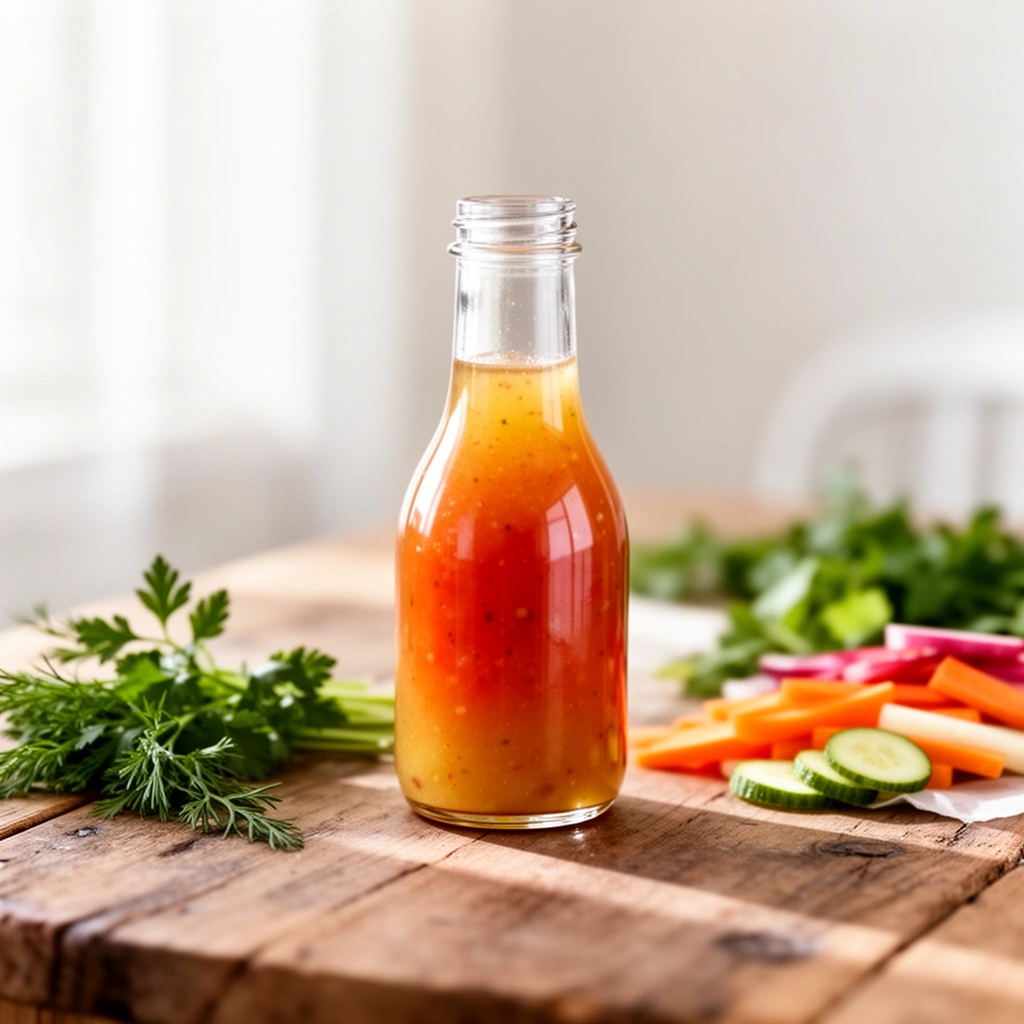
Most people grab a bottle of store-bought dressing without a second thought. But once you make French dressing from scratch? You’ll never look at that supermarket bottle the same way again. I made my first homemade batch on a lazy Sunday afternoon, and it genuinely changed how I think about salads. Yes, really salads.
What Exactly Is French Dressing?
French dressing is a vinaigrette-style condiment built on a simple but brilliant foundation: acid, oil, seasoning, and emulsifiers. The result is a sharp, tangy, slightly mustardy dressing that works beautifully on green salads, roasted vegetables, grain bowls, and even as a marinade.
Don’t confuse the classic French vinaigrette with the thick, orange-red American version you see at diners. The original French dressing is lighter, more nuanced, and honestly far more versatile. IMO, the classic version wins every single time.
Why Make It Yourself?
You might be wondering , is it really worth the effort? Spoiler: yes, and it takes about two minutes. Here’s why homemade beats store-bought every time:
- No preservatives or additives , just real ingredients
- Fully customizable , adjust acidity, salt, or heat to your taste
- Fresher flavor , it tastes alive, not like it’s been sitting in a warehouse
- Cheaper , a batch costs a fraction of a premium bottled dressing
- Better texture , properly emulsified, it coats every leaf evenly
The control you get over flavor is the real game-changer. Store-bought dressings are designed to appeal to the widest audience possible, which often means they’re bland and overly sweet. Yours won’t be.
The Ingredients , Let’s Talk About Each One
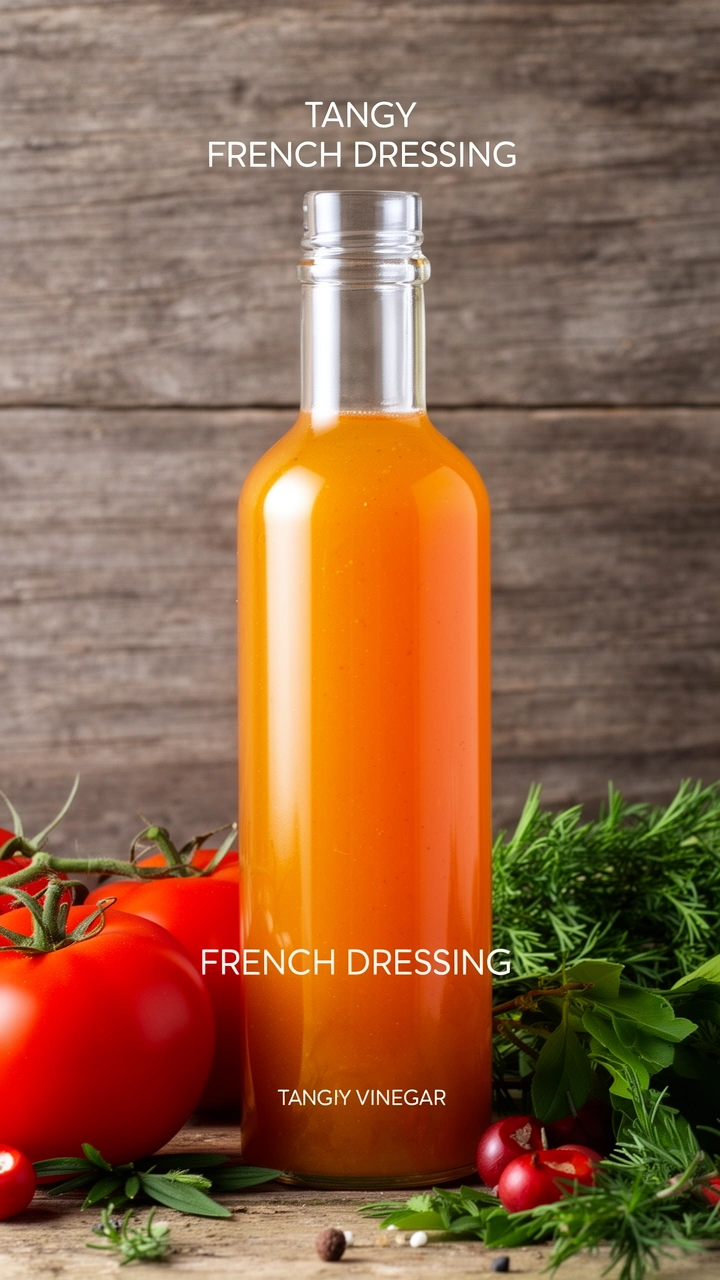
Every ingredient in this recipe earns its place. Here’s exactly what you need and why it matters.
The Full Ingredient List
- 3 tbsp red wine vinegar , the acidic backbone of the dressing
- 1 tsp salt + ½ tsp black pepper , essential seasoning
- 1 tbsp wholegrain mustard , the emulsifier and flavor hero
- 5 tbsp virgin vegetable oil , the neutral base oil
- 4 tbsp olive oil , adds richness and depth
- 2 tbsp water , lightens the dressing and helps with consistency
How to Make French Dressing
Step 1: Season the Vinegar First
Add the 3 tbsp red wine vinegar, 1 tsp salt, and ½ tsp black pepper to a bowl or jar. Give it a quick stir or shake. Dissolving the salt in the vinegar before adding the oils ensures even seasoning throughout , skip this step and you’ll get pockets of under-seasoned dressing.
Step 2: Add the Mustard
Spoon in 1 tbsp wholegrain mustard and whisk it into the vinegar mixture. This is where the emulsification magic starts. The mustard begins binding the liquid components together so the oil doesn’t just float on top later.
Step 3: Stream in the Oils
Slowly add 5 tbsp vegetable oil and 4 tbsp olive oil while whisking constantly. The key word here is slowly , adding oil too fast breaks the emulsion and you end up with a separated, oily mess. Steady hand, steady pour. 🙂
Step 4: Add Water and Adjust
Add 2 tbsp water and whisk again. This lightens the consistency and makes the dressing more pourable. Taste it now , this is your moment to adjust. Want more acidity? Add a splash more vinegar. More salt? Go for it. More heat? A pinch of chili flakes works beautifully here.
Step 5: Store It Right
Pour your dressing into a sealed jar and refrigerate it. It keeps well for up to one week. The oils may solidify slightly in the fridge , just let it sit at room temperature for a few minutes and give it a good shake before using.
What to Dress with French Dressing
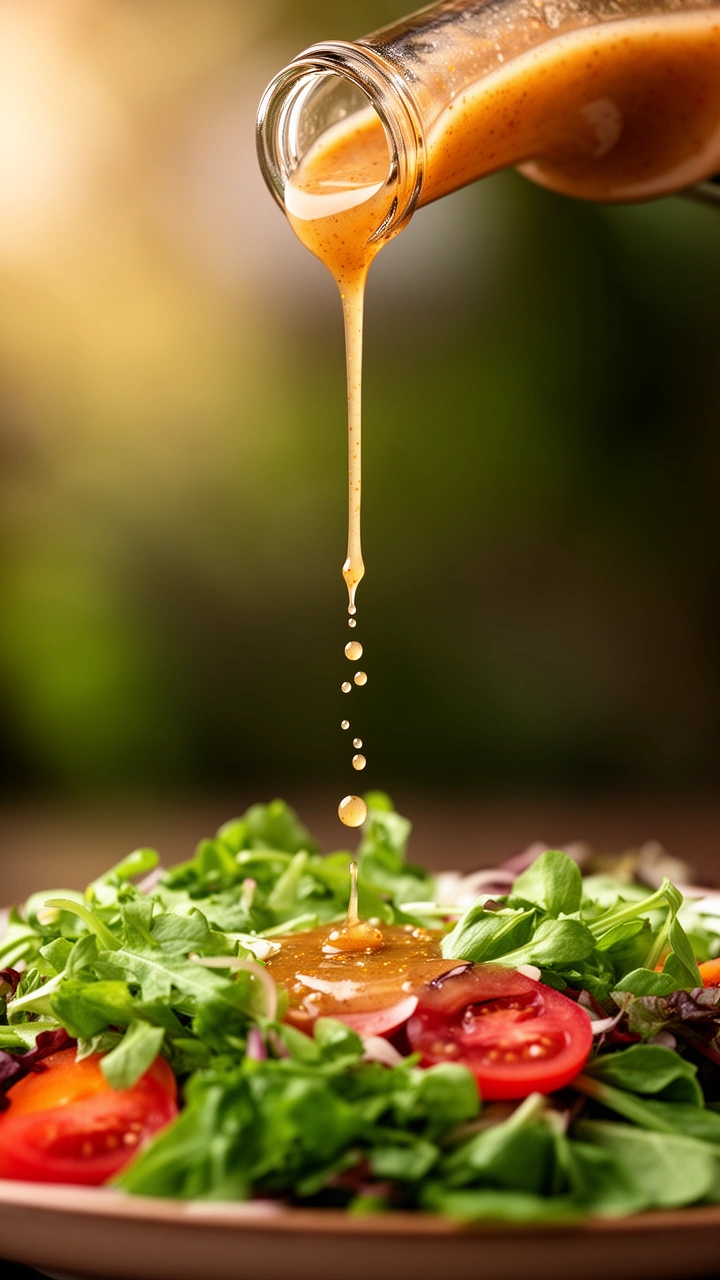
The obvious answer is salad , but let’s think bigger than that.
Classic Pairings
- Green salads , butter lettuce, watercress, frisée , anywhere you want something light and tangy
- Niçoise salad , the bold vinegar cuts through the richness of tuna and eggs perfectly
- Potato salad , toss warm potatoes in French dressing while they’re still hot so they absorb the flavor
Unexpected Uses
- Marinade for chicken or fish , the acid tenderizes the protein while the mustard adds depth
- Roasted vegetables , drizzle over carrots, beetroot, or green beans before roasting
- Grain bowls , farro, quinoa, or freekeh dressed with this vinaigrette tastes genuinely restaurant-quality
- Dipping sauce , thinned slightly with extra water, it works as a light dip for crudités
Common Mistakes and How to Avoid Them
Even a two-minute recipe has its pitfalls. Here are the ones I’ve made so you don’t have to.
Dumping All the Oil at Once
This breaks the emulsion instantly. You get an oily, separated dressing that refuses to coat anything properly. Always stream the oil in gradually while whisking. If your dressing does separate, add a fresh teaspoon of mustard and whisk vigorously , it usually pulls back together.
Skipping the Taste Test
Always taste before serving. The salt-to-acid ratio varies depending on your vinegar’s strength, so adjust accordingly. A dressing that tastes slightly too sharp in the bowl will taste perfect on a salad, so keep that in mind.
Over-salting Early
Salt the vinegar base lightly, then adjust at the end once everything comes together. Adding too much salt at the beginning leaves you with a dressing that’s almost impossible to fix. :/
Variations Worth Trying
Once you nail the base recipe, experimenting becomes genuinely fun.
Garlic French Dressing
Grate a small clove of garlic into the vinegar before mixing. It adds a punchy, aromatic quality that works especially well with robust greens like rocket or radicchio.
Herb-Infused Version
Whisk in 1 tsp fresh thyme leaves or finely chopped tarragon. Tarragon in particular is a classic pairing with French vinaigrette , it tastes elegant without being fussy.
Honey Mustard Twist
Add 1 tsp honey to balance the acidity and create a slightly sweeter profile. This version pairs brilliantly with roasted root vegetables and warm salads.
The Shelf Life Question
Homemade French dressing doesn’t last as long as commercial versions , and that’s a good thing. No artificial preservatives means fresher ingredients doing the work.
Store your dressing in an airtight glass jar in the refrigerator for up to 5–7 days. Always shake well before using since natural separation will occur. If it smells sharp or off after a week, make a fresh batch , it only takes two minutes anyway.
Why French Dressing Deserves a Permanent Spot in Your Kitchen
French dressing isn’t complicated, but it is effective. It transforms a pile of leaves into something worth eating, elevates roasted vegetables from side dish to centerpiece, and makes you look like you know what you’re doing in the kitchen , even when you whipped it up in under three minutes.
The recipe is simple: 3 tbsp red wine vinegar, 1 tsp salt, ½ tsp pepper, 1 tbsp wholegrain mustard, 5 tbsp vegetable oil, 4 tbsp olive oil, and 2 tbsp water. That’s it. Whisk, taste, adjust, and serve.
Stop reaching for that bottle at the back of the fridge. Make this once, and you’ll wonder why you ever needed the store-bought version in the first place. Your salads deserve better , and now you know exactly how to give them that.
6
servings5
minutes20
minutes130
kcalIngredients
3 tbsp red wine vinegar
1 tsp salt
1/2 tsp black pepper
1 tbsp wholegrain mustard
5 tbsp vegetable oil
4 tbsp olive oil
2 tbsp water
Directions
- Add the red wine vinegar, salt, and black pepper to a bowl or jar and stir or shake until the salt begins to dissolve.
- Whisk in the wholegrain mustard until well combined.
- Slowly stream in the vegetable oil and olive oil while whisking constantly to create an emulsion.
- Add the water and whisk again, then taste and adjust with more vinegar, salt, or chili flakes if desired.
- Transfer to a sealed jar and refrigerate until ready to use.
Notes
- Shake well before serving, especially after chilling; it keeps for up to 1 week in the fridge.
