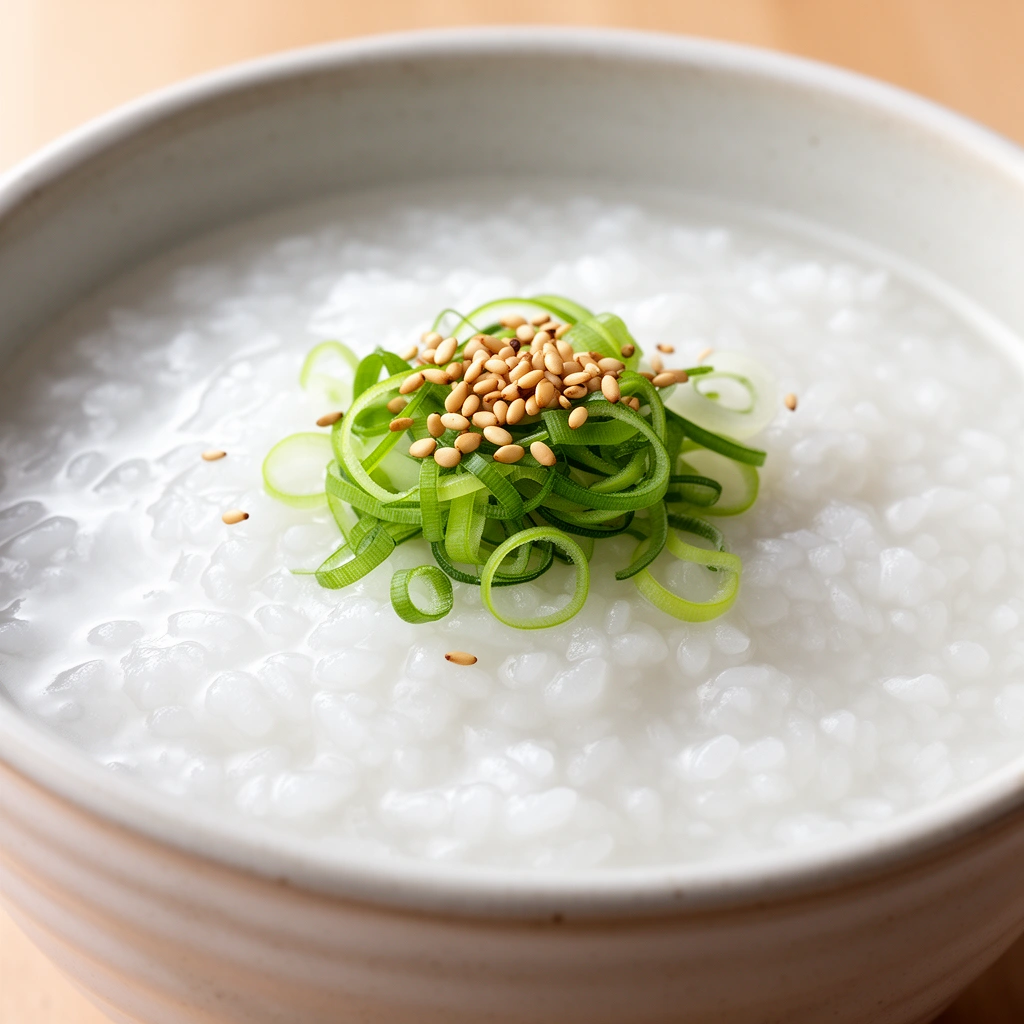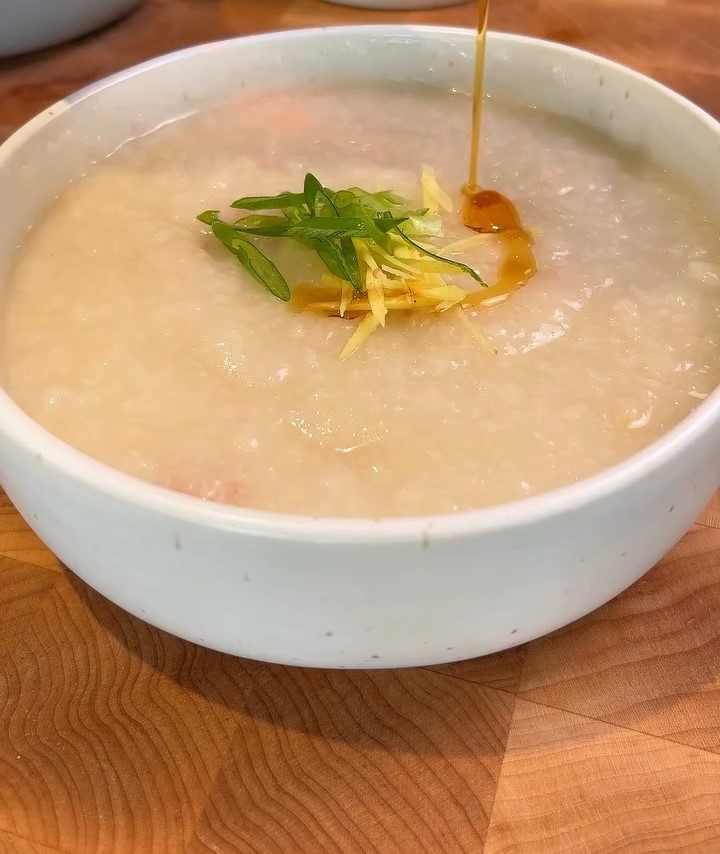

You know that feeling when you’re sick, tired, cold, or just emotionally done with the day? Chinese porridge also called congee is the answer. It’s silky, warm, deeply savory, and somehow both simple and spectacular at the same time. I made my first proper bowl of congee on a rainy Tuesday when I had leftover rice and zero motivation, and honestly, it changed my weeknight cooking forever.
What Is Chinese Porridge (Congee)?
Congee is a rice porridge that’s been a staple across China and much of East and Southeast Asia for centuries. You make it by cooking rice in a large amount of water or broth until the grains break down and turn into a thick, creamy, almost silky consistency.
It’s not gruel. It’s not bland rice soup. When you season it properly and add good toppings, congee becomes one of the most satisfying meals you can make. The texture is smooth and coating, and the flavor , especially with chicken bouillon and white pepper , hits that deep, savory note that makes you want bowl after bowl.
People eat congee for breakfast in China, as a light dinner, or when they’re feeling under the weather. IMO, it works perfectly at any time of day.
Ingredients You’ll Need
Here’s the full breakdown with exact measurements:
Congee Base
- 1 cup white rice (long grain or jasmine both work well)
- 7 cups water (keep an extra cup nearby in case you need it)
- 1 tablespoon chicken bouillon powder
- 1 teaspoon white pepper
Chicken
- 4 boneless chicken thighs, cubed into bite-sized pieces
- 1 tablespoon soy sauce
- 1 teaspoon white pepper
Toppings
- Fresh ginger, thinly sliced
- Green onions, finely chopped
- Sesame oil, drizzled over the top just before serving
How to Make Chinese Porridge Step by Step
Step 1: Marinate the Chicken
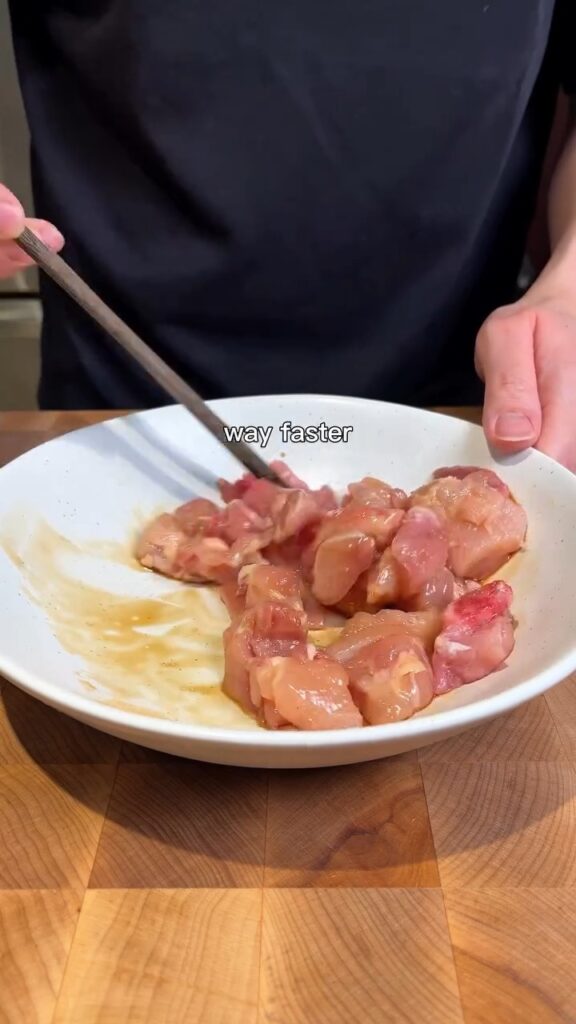
Start by cubing your 4 boneless chicken thighs and tossing them with 1 tablespoon soy sauce and 1 teaspoon white pepper. Let this sit for at least 15 minutes while you start the congee base. Chicken thighs work better than breast here because they stay tender and juicy even after extended cooking , breast meat tends to turn stringy.
Step 2: Start the Congee Base
Rinse your 1 cup of white rice under cold water until the water runs mostly clear. This removes excess starch and helps the final congee come out smooth rather than gluey. Add the rinsed rice to a large pot with 7 cups of water.
Bring the pot to a boil over high heat, stirring a few times to prevent the rice from sticking to the bottom. Once it boils, reduce the heat to medium-low and add the 1 tablespoon chicken bouillon powder and 1 teaspoon white pepper.

Step 3: Cook It Low and Slow
Let the congee cook uncovered on medium-low heat for about 30–40 minutes, stirring every 5–7 minutes. You’ll watch the rice grains gradually swell and then start to break down into the broth. The liquid reduces and thickens, and the whole pot starts to look creamy rather than watery.
Stir consistently , this is important. Neglect the pot and the rice settles and sticks to the bottom. A quick stir every few minutes keeps everything moving and ensures an even, smooth texture throughout.
If the congee thickens too quickly before the rice fully breaks down, add that extra cup of water and continue cooking.

Step 4: Add the Chicken
Once the congee reaches a creamy, thick consistency with the rice mostly broken down, add your marinated chicken directly into the pot. Stir it in and let it cook for another 10–12 minutes over medium-low heat.
Chicken thighs cook through quickly in the hot porridge environment. Stir gently as they cook , you want them tender, not shredded into oblivion. By the time they’re cooked through, they’ll add their own flavor into the congee base, making the whole bowl taste richer and more complex.

Step 5: Taste and Adjust
Before you serve, taste the congee and adjust the seasoning. Need more depth? Add a tiny bit more bouillon. Want more heat? Sprinkle in extra white pepper. The congee should taste savory and warming on its own, with the toppings adding freshness and contrast on top.

Step 6: Serve with Toppings
Ladle the congee into bowls and immediately add your toppings:
- Sliced fresh ginger , adds a sharp, warming bite that cuts through the richness
- Chopped green onions , brings freshness and a mild onion flavor
- A drizzle of sesame oil , this is the finishing touch that pulls everything together with a nutty, aromatic layer

Don’t skip the sesame oil. FYI, that drizzle at the end is what separates a good congee from a great one.
Tips for the Best Chinese Porridge Every Time
A few things that make a real difference:
- Use a wide, heavy-bottomed pot , it distributes heat evenly and reduces the risk of the bottom burning
- Don’t rush the cook time , the magic happens gradually as the rice breaks down; cranking the heat just leads to sticking and uneven texture
- Marinate the chicken first , even 15 minutes makes a noticeable difference in flavor
- Stir regularly , every 5–7 minutes keeps the texture smooth
- Add toppings right before eating , ginger and green onions lose their freshness if they sit too long in the hot porridge
Chinese Porridge vs. Other Rice Porridges
Congee sits in a category alongside other Asian rice porridges like Japanese okayu and Korean juk, but they’re not the same thing. Here’s how they compare:
| Porridge | Rice-to-Water Ratio | Texture | Flavor Profile |
|---|---|---|---|
| Chinese Congee | 1:7–1:10 | Very smooth, silky | Savory, umami-forward |
| Japanese Okayu | 1:5 | Thicker, some whole grains | Mild, lightly seasoned |
| Korean Juk | 1:6–1:7 | Varies by type | Often nutty or sesame-forward |
Chinese congee uses the highest water ratio, which is why it becomes the smoothest and most fluid of the three. That silkiness is its defining characteristic and what makes it so comforting to eat.
Optional Toppings to Customize Your Bowl
The base recipe is excellent as written, but congee is also one of the most customizable dishes you can make. Beyond the ginger, green onions, and sesame oil, try adding:
- Soft-boiled egg for extra protein and richness
- Crispy fried shallots for texture contrast
- Chili oil if you want heat
- Soy sauce drizzled on top for an extra savory punch
- Century egg (pidan) , the classic Cantonese addition that adds a deep, briny flavor
- White sesame seeds for a nutty crunch
The base stays the same , the toppings let you make it your own every single time.
Nutritional Value of Chicken Congee
This isn’t a diet meal, but it’s genuinely nourishing:
- Chicken thighs deliver protein, iron, and zinc
- White rice provides easily digestible carbohydrates , great when your stomach needs something gentle
- Ginger supports digestion and has anti-inflammatory properties
- Sesame oil contains healthy fats and antioxidants
- Green onions bring in vitamins C and K
It’s also naturally lower in fat than most comfort foods, especially if you skim any fat that rises to the surface during cooking.
Final Thoughts
Chinese porridge , congee , earns its reputation as the ultimate comfort food. It’s warm, filling, deeply savory, and surprisingly easy to make once you understand the process. The chicken thigh version with white pepper, bouillon, ginger, and sesame oil hits every note you want in a bowl of something comforting.
Make a big pot on a Sunday and you’ve got meals sorted for days , it reheats beautifully with a splash of water stirred in to loosen it up. Whether you’re cooking it for the first time or the fiftieth, this recipe delivers every single time. Now go put that pot on the stove and let the rice work its magic. Your bowl is waiting.
4
servings15
minutes50
minutes320
kcalIngredients
1 cup white rice, rinsed
7 cups water, plus more as needed
1 tablespoon chicken bouillon powder
1 teaspoon white pepper
4 boneless chicken thighs, cubed into bite-sized pieces
1 tablespoon soy sauce
1 teaspoon white pepper
Fresh ginger, thinly sliced, for topping
Green onions, finely chopped, for topping
Sesame oil, for drizzling
Directions
- In a bowl, toss the cubed chicken thighs with soy sauce and 1 teaspoon white pepper. Let marinate for at least 15 minutes.
- Rinse the rice under cold water until the water runs mostly clear.
- Add the rice and 7 cups water to a large pot. Bring to a boil over high heat, stirring occasionally to prevent sticking.
- Reduce the heat to medium-low and stir in the chicken bouillon powder and 1 teaspoon white pepper.
- Cook uncovered for 30–40 minutes, stirring every 5–7 minutes, until the rice breaks down and the congee becomes creamy. Add extra water if needed.
- Add the marinated chicken to the pot and cook for another 10–12 minutes, stirring gently, until the chicken is cooked through and tender.
- Taste and adjust seasoning with more bouillon or white pepper if desired.
- Serve hot, topped with sliced ginger, green onions, and a drizzle of sesame oil.
Notes
- Congee thickens as it sits, so add a splash of hot water or broth when reheating to loosen it back up.

About the author
Written by Arman
Hi, I'm Muhammad Arman, a healthy food expert who is passionate about helping you build a better life through real, nourishing food. I share simple, practical tips and clean recipes because I truly believe that eating well should feel good, not complicated.
Published April 25, 2026 Updated May 15, 2026