Asian Salad Dressing

Let me be real with you store-bought Asian dressings are a lie. They’re watery, weirdly sweet, and taste nothing like the bold, complex flavors you actually crave. I discovered this the hard way after years of grabbing those little bottles off the shelf. Once I started making my own Asian salad dressing at home, I never looked back. And today, I’m sharing the exact recipe that changed my salad game forever.
What Makes a Great Asian Salad Dressing?
Not all Asian-inspired dressings are created equal. The best ones hit four flavor notes at once: savory, tangy, slightly sweet, and nutty. Miss one of those, and the whole thing falls flat.
This recipe nails every single one of those notes. The toasted sesame oil brings deep nuttiness. The rice vinegar cuts through with brightness. The honey or maple syrup adds just enough sweetness without making it cloying. And the soy sauce ties everything together with that irresistible umami punch.
The Ingredients
- 1/4 cup/60 ml neutral oil such as grapeseed oil
- 1/4 cup/60 ml rice vinegar
- 2 Tbsp honey or maple syrup
- 2 Tbsp toasted sesame oil
- 2 Tbsp Sichuan peppercorn oil (optional)
- 2 Tbsp smooth yellow mustard
- 1 1/2 Tbsp low-sodium soy sauce
- 1 garlic clove, grated
How to Make Asian Salad Dressing
1. Place all the ingredients together in a jar.
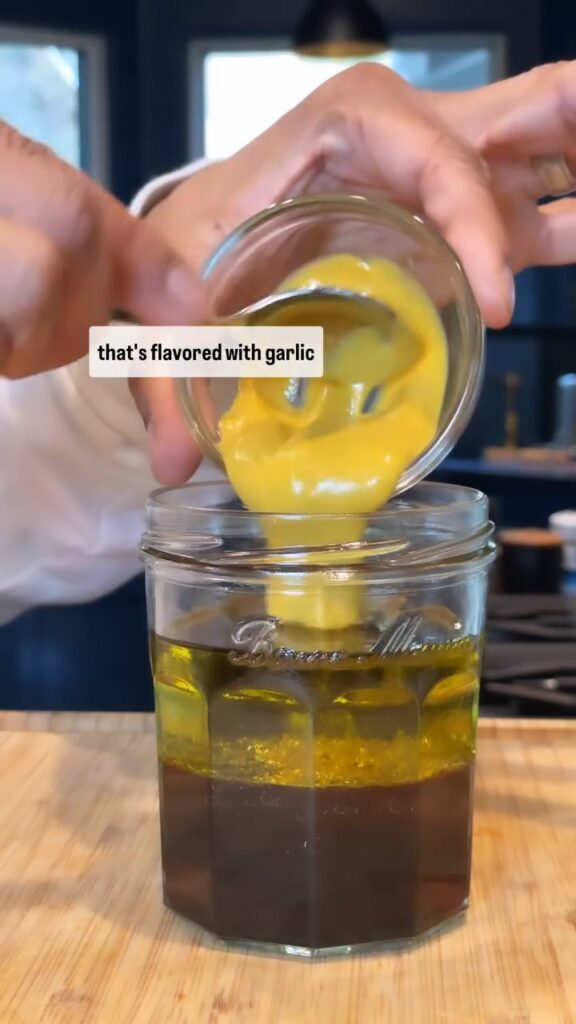
2. Seal the jar and shake well.

3. Store in the refrigerator in an airtight container for up to 1 month.

That’s genuinely it. No blender, no whisk, no fancy equipment. A jar and your arm — that’s all the machinery you need.
A Few Tips for the Best Results
Grate your garlic fresh. Don’t use garlic powder or pre-minced garlic from a jar. Fresh grated garlic dissolves into the dressing beautifully and delivers way more flavor than any shortcut version.
Use low-sodium soy sauce. Regular soy sauce can make the dressing too salty, especially when you’re shaking it over multiple salads throughout the week. Low-sodium keeps things balanced.
Let it sit for 10–15 minutes before serving. The flavors meld together as the dressing rests. Right after shaking, it’s good. After a short rest, it’s noticeably better.
What to Put This Asian Salad Dressing On
The short answer: almost everything. But let me give you some specific ideas so you can hit the ground running.
Classic Asian Slaw
Toss this dressing with shredded purple cabbage, shredded carrots, sliced scallions, and some toasted sesame seeds. Add crispy wonton strips if you’re feeling fancy. This combo gives you crunch, color, and a flavor punch that makes it impossible to eat just one serving.
Noodle Salad
Cook some soba or rice noodles, let them cool, then toss with this dressing, cucumber ribbons, edamame, and fresh cilantro. It works hot or cold, and it travels well — perfect for meal prep or packed lunches.
Simple Green Salad
Even a basic bowl of romaine or mixed greens transforms with this dressing. Add mandarin orange segments, sliced almonds, and some avocado. The richness of the sesame oil and the brightness of the rice vinegar work beautifully with the fresh greens.
Grain Bowls
Drizzle this over a rice or quinoa bowl loaded with roasted vegetables and a soft-boiled egg. The savory-tangy-sweet combination works as well on warm grains as it does on cold lettuce.
How to Customize Your Asian Salad Dressing
One of the best things about making your own dressing is tweaking it to your taste. Here’s how to adjust the flavor profile without wrecking the balance:
- Want more heat? Add a teaspoon of chili garlic sauce or a few drops of sriracha.
- Want it sweeter? Bump the honey up to 3 tablespoons.
- Want more tang? Add an extra tablespoon of rice vinegar.
- Going vegan? Swap honey for maple syrup — it works perfectly and adds a subtle earthiness.
- Want deeper umami? Add a teaspoon of fish sauce or a small squeeze of miso paste.
The base recipe is solid as-is, but these small tweaks let you make it entirely your own.
Storing Your Dressing the Right Way
Refrigeration is non-negotiable. This dressing contains fresh garlic and sesame oil, both of which need to stay cold to preserve flavor and food safety.
Store it in a sealed glass jar or airtight container in the fridge. It keeps well for up to one month, which means you can batch-make it on Sunday and have great salads all week without any extra effort.
FYI — the oils will solidify slightly when cold. Just pull the jar out of the fridge 10 minutes before you need it, or run it under warm water for 30 seconds and shake again. It comes right back together.
Why This Recipe Beats the Bottle Every Time
Let’s compare honestly:
| Homemade | Store-Bought | |
|---|---|---|
| Flavor | Bold, balanced, fresh | Often flat or overly sweet |
| Ingredients | Clean, real food | Often includes preservatives |
| Cost | Cheaper per serving | Adds up fast |
| Customizable | Completely | Not at all |
| Shelf life | Up to 1 month | Months (due to preservatives) |
The homemade version wins on every single point. Once you taste the difference, it’s hard to go back.
Final Thoughts
This Asian salad dressing recipe is genuinely one of those kitchen staples that earns its place in your rotation fast. It’s bold, versatile, ridiculously easy to make, and far better than anything you’ll find in a bottle. Whether you’re dressing up a simple green salad, building a loaded noodle bowl, or just looking for something exciting to drizzle over roasted veggies — this dressing delivers every time.
8
servings5
minutes20
minutes120
kcalIngredients
1/4 cup neutral oil, such as grapeseed oil
1/4 cup rice vinegar
2 tablespoons honey or maple syrup
2 tablespoons toasted sesame oil
2 tablespoons Sichuan peppercorn oil (optional)
2 tablespoons smooth yellow mustard
1 1/2 tablespoons low-sodium soy sauce
1 garlic clove, grated
Directions
- Place all of the ingredients in a jar or airtight container.
- Seal the jar tightly and shake well until fully combined and emulsified.
- Let the dressing sit for 10 to 15 minutes before serving for the best flavor.
- Store in the refrigerator in an airtight container for up to 1 month. Shake again before each use.
Notes
- Freshly grated garlic gives the best flavor. If the dressing thickens in the fridge, let it sit at room temperature for a few minutes and shake before using.
