Mango Chia Pudding with Greek Yogurt
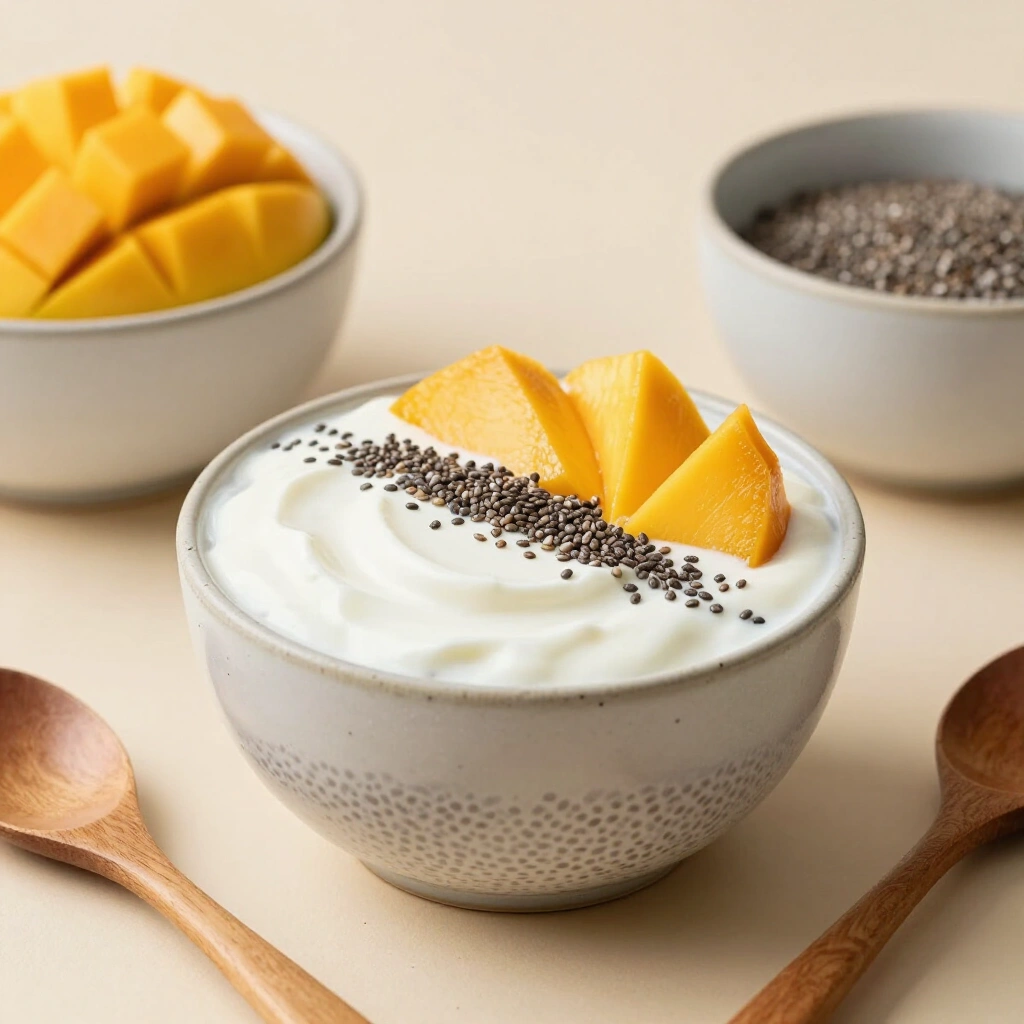
Five ingredients. One bowl. Zero cooking. Mango chia pudding with Greek yogurt is the kind of breakfast that makes you feel like you have your life sorted , and the numbers back that up. Around 350 calories, 14 to 16 grams of protein, and 8 to 10 grams of fiber in a single jar. That’s not a snack. That’s a proper meal.
I started making this on repeat when I needed something fast, filling, and genuinely good enough to actually look forward to in the morning. Fresh mango blended smooth, creamy Greek yogurt, chia seeds doing their thing overnight , it tastes tropical and indulgent, but it’s working hard for your body the whole time.
What Makes This Recipe Different from Regular Chia Pudding
Most chia pudding recipes just stir seeds into milk and call it a day. This one layers flavor and nutrition more thoughtfully. The blended mango does double duty , part of it goes into the pudding base for flavor throughout, and the rest sits on top as a fresh, vibrant topping when you serve it.
The Greek yogurt addition is what really elevates this beyond standard chia pudding. It adds protein, creaminess, and a subtle tang that balances the sweetness of the mango perfectly. You end up with a pudding that’s rich without being heavy , and genuinely satisfying in a way that plain chia pudding rarely is.
Ingredients You’ll Need
This recipe keeps things refreshingly simple. Every ingredient pulls its weight.
- 1/2 cup Greek yogurt , full-fat for the creamiest result and best protein content
- 1/4 cup milk , any dairy or plant-based milk works here
- 1 tsp honey , optional but adds a lovely floral sweetness
- 2 tbsp chia seeds , the structural base; provides fiber and omega-3s
- 1 small mango , the star of the show; fresh and ripe for best results
That’s genuinely it. Five ingredients, one jar, and you’re done before you even think about reaching for your phone in the morning :/
How to Make Mango Chia Pudding with Greek Yogurt , Step by Step
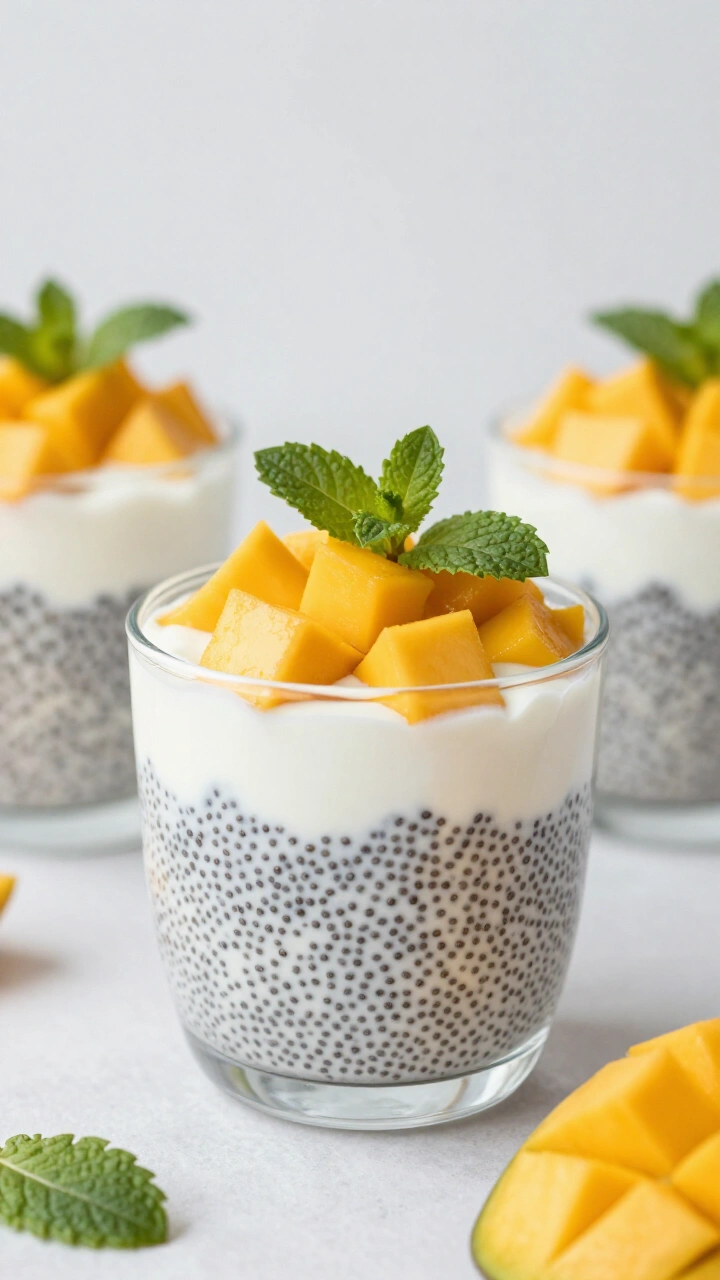
Step 1: Blend the Mango
Peel and chop your mango, then blend it until completely smooth. You want a silky, pourable mango purée with no chunks remaining. A small blender or even an immersion blender works perfectly here. Don’t add any liquid , let the mango blend in its own juice for maximum flavor concentration. You can add some milk too for making it extra tasty.
Step 2: Mix the Pudding Base
In a bowl or jar, combine the Greek yogurt, milk, honey, chia seeds, and a portion of the blended mango. Reserve the rest of the blended mango , you’ll use it as a topping later. Stir everything together thoroughly until the yogurt fully incorporates and you see no streaks or dry patches.
Step 3: Refrigerate Overnight
Cover the jar or bowl and place it in the fridge. Let it sit overnight , this is the key step. The chia seeds absorb the liquid slowly as they chill, and the whole mixture sets into a thick, creamy pudding by morning. Trying to shortcut this step produces a loose, underset mixture that doesn’t deliver the same experience.
Step 4: Add the Mango Topping and Serve
When you’re ready to eat, pull the jar out of the fridge and spoon the remaining blended mango over the top as a fresh topping. The contrast between the set pudding base and the bright, smooth mango on top makes every spoonful interesting. Eat immediately and enjoy the fact that you put in all of two minutes of effort the night before. 🙂
The Overnight Fridge Trick That Changes Everything
Here’s the tip that makes this recipe work so well: make it at night and refrigerate it , it turns perfectly creamy by morning. This isn’t just convenient advice, it’s genuinely how the texture develops properly.
Chia seeds need time to fully hydrate and expand. When you give them a full 8 hours in the fridge, they absorb the milk and yogurt slowly and evenly, producing a pudding with a consistent, smooth set throughout. Rush it to 2 or 3 hours and the seeds are still partially unhydrated , the texture feels grainy and the flavors haven’t fully melded yet.
The overnight method also means zero morning effort. You open the fridge, add your mango topping, and breakfast is done. No blending, no cooking, no decisions before coffee.
Why Greek Yogurt Makes This Recipe So Much Better
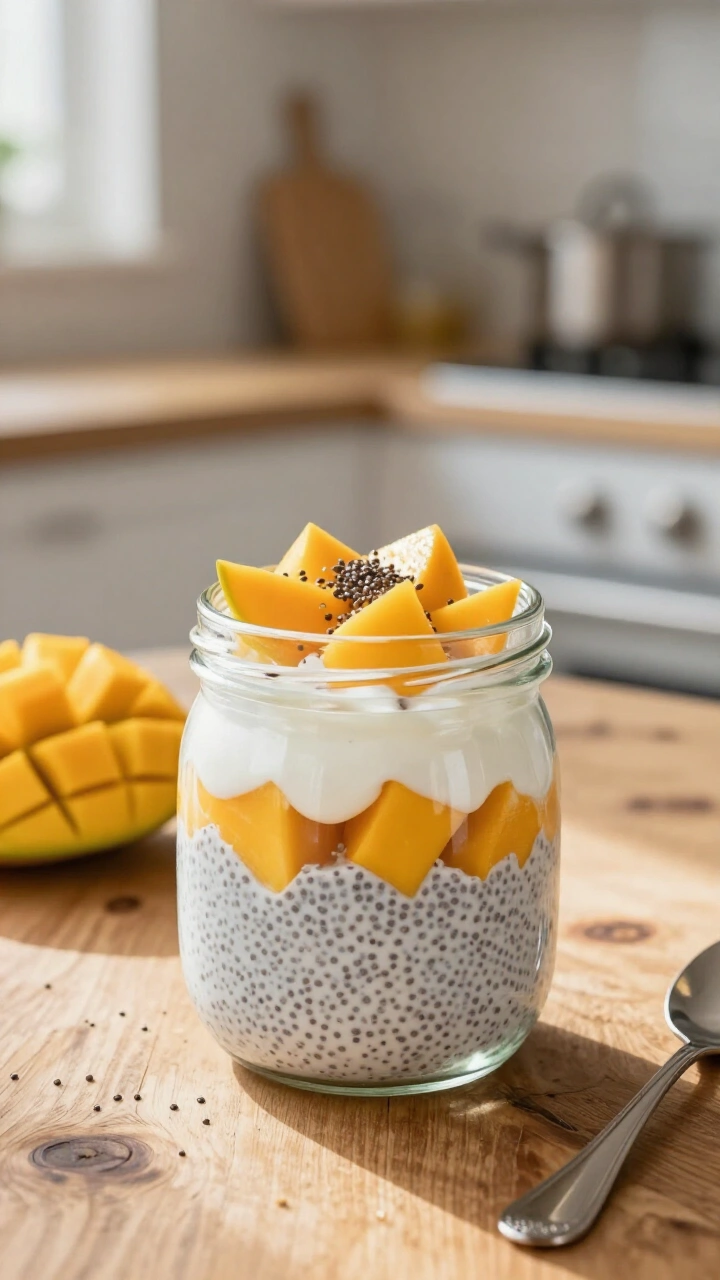
You could make mango chia pudding with just milk. A lot of recipes do. But Greek yogurt transforms the texture and nutrition profile in ways that plain milk simply can’t match.
The Protein Advantage
Half a cup of full-fat Greek yogurt delivers roughly 8 to 10 grams of protein on its own. Combined with the protein from chia seeds, this pudding hits 14 to 16 grams of protein per serving , a genuinely impressive number for a breakfast that requires no cooking whatsoever. That protein keeps you full and supports muscle maintenance throughout the day.
The Texture Advantage
Greek yogurt is thick, rich, and creamy in a way that milk isn’t. It gives the pudding a smooth, almost mousse-like body once it sets overnight. The chia seeds absorb liquid from both the milk and the yogurt, creating a denser, more satisfying set than milk-only versions produce.
The Flavor Advantage
The slight tanginess of Greek yogurt plays beautifully against the natural sweetness of mango. It stops the pudding from tasting one-dimensionally sweet and adds a complexity that makes the whole thing more interesting to eat. IMO, the yogurt is the secret ingredient that makes people say “wait, what’s in this?” on first taste.
Should You Skip the Honey?
The recipe includes 1 teaspoon of honey, but it also comes with an important tip: skip the honey if you’re focused on fat loss , mango is already sweet enough.
This is genuinely good advice. A ripe mango brings plenty of natural sweetness on its own, and the honey adds about 20 extra calories that most people won’t miss if the mango is good quality. If your mango is slightly underripe or less sweet than expected, the honey does add value. But with a perfectly ripe, fragrant mango? Save the honey for something else.
The beauty of this recipe is that it works either way. Taste the blended mango before mixing , if it’s sweet and vibrant, leave the honey out. If it needs a lift, add it.
Choosing the Right Mango
Mango quality makes a huge difference in this recipe since it provides both the primary flavor and the topping. Here’s what to look for:
Fresh Mango
- Ataulfo (honey) mangoes , small, yellow, buttery smooth when blended; the best option for this recipe
- Alphonso mangoes , intensely sweet and aromatic; blend beautifully
- Tommy Atkins , more widely available but less sweet; use extra honey if you go this route
- Ripe indicator , a ripe mango gives slightly when pressed and smells fragrant near the stem
Frozen Mango as an Alternative
Frozen mango chunks work well here too, especially when fresh mango isn’t in season. Thaw them completely before blending and the result is nearly identical to fresh. Frozen mango also tends to blend smoother since the freezing process breaks down the cell walls slightly.
The Nutrition Breakdown
This mango chia pudding with Greek yogurt delivers solid nutrition in every serving:
| Nutrient | Amount Per Serving |
|---|---|
| Calories | ~350 kcal |
| Protein | ~14–16g |
| Fiber | ~8–10g |
Where Each Number Comes From
Calories (~350 kcal): The Greek yogurt, chia seeds, mango, and milk each contribute meaningfully. This is a satisfying, complete breakfast calorie range , not a snack, not an over-indulgence.
Protein (14–16g): Greek yogurt provides the bulk of this, with chia seeds adding additional plant-based protein. This protein level supports satiety, muscle maintenance, and steady energy throughout the morning.
Fiber (8–10g): Chia seeds are one of the most fiber-dense foods available, and mango adds additional dietary fiber. This fiber level actively supports digestive health and keeps hunger at bay well past breakfast.
Milk Options: Which One Works Best?
The milk quantity in this recipe is small , just 1/4 cup , but your choice still affects the final texture and flavor:
- Whole dairy milk , neutral, creamy, classic result
- Full-fat oat milk , slightly sweet, very smooth; pairs naturally with mango
- Almond milk , light and neutral; good for a lower calorie version
- Coconut milk (carton) , adds a subtle tropical note that complements mango beautifully
- Cashew milk , very creamy and mild; almost invisible in flavor
Full-fat oat milk or coconut milk carton are the best plant-based choices here. Both enhance the tropical feel of the recipe without overpowering the mango. FYI, avoid canned full-fat coconut milk in this recipe , it’s too thick for the small quantity used and can make the pudding overly dense.
Ways to Customize This Recipe
The base recipe is excellent as written, but it adapts easily to different tastes and goals:
Add More Protein
- Stir in a scoop of vanilla protein powder with the base mixture , it blends seamlessly with the mango flavor
- Use Icelandic skyr instead of Greek yogurt for an even higher protein content
Add Texture and Toppings
- Toasted coconut flakes , adds crunch and leans into the tropical theme
- Chopped macadamia nuts , buttery and rich against the sweet mango
- Fresh lime zest sprinkled over the mango topping , brightens every bite
- Granola , makes the bowl more filling and adds satisfying crunch
Adjust the Sweetness
- Swap honey for maple syrup for a slightly different but equally pleasant sweetness
- Add a pinch of cardamom to the base , it pairs surprisingly well with mango and yogurt
- Use a squeeze of fresh lime juice in the base for a tangier, more complex flavor profile
Meal Prep Tips to Set Your Week Up Right
This recipe makes one serving, but it scales up effortlessly. Here’s how to turn it into a weekly meal prep win:
- Make 4 to 5 jars on Sunday night using the same proportions multiplied up
- Store the blended mango topping separately in a small container and add it fresh each morning , it keeps better this way and stays vibrant
- The pudding base keeps well in the fridge for up to 4 days in a sealed jar
- If the pudding thickens too much after a day or two, stir in an extra splash of milk to bring it back to the right consistency
Final Thoughts
Mango chia pudding with Greek yogurt hits everything you want from a make-ahead breakfast. It’s tropical, creamy, genuinely filling, high in protein and fiber, and takes about two minutes of active effort the night before. The double mango method , some blended into the base, the rest on top as a fresh topping , makes every bite feel considered and deliberate.
Make it tonight. Refrigerate it. Wake up tomorrow to a breakfast that actually earns its place in your morning. Your future self , standing at the fridge with a spoon in hand , will absolutely thank you for it
1
servings10
minutes8
hours350
kcalIngredients
1/2 cup Greek yogurt, preferably full-fat
1/4 cup milk, dairy or plant-based
1 tsp honey (optional)
2 tbsp chia seeds
1 small ripe mango
Directions
- Peel and chop the mango, then blend it until completely smooth to make a silky purée.
- In a bowl or jar, combine the Greek yogurt, milk, honey, chia seeds, and about half of the blended mango. Stir thoroughly until everything is evenly mixed and no dry chia seeds remain.
- Cover the jar or bowl and refrigerate overnight, about 8 hours, until the chia seeds absorb the liquid and the mixture thickens into pudding.
- When ready to serve, spoon the remaining blended mango over the top and eat immediately.
Notes
- For the best texture, let the pudding chill overnight and stir once after 10–15 minutes if you can to prevent chia clumps. It keeps well in the fridge for up to 2 days.
